Christmas gift choices tend to follow recognizable patterns year after year. By examining multi-year consumer behavior alongside signals from the 2025 holiday season, Powerdrill Bloom helped me clarify which gift categories consistently dominate Christmas spending—and which ones are gaining momentum heading into future seasons.
This article looks at historical performance alongside forward-looking trend signals, all derived from Powerdrill Bloom’s analysis. Any future outlook reflects directional signals in the data rather than guaranteed outcomes.
Top 7 Popular Christmas Gift Categories
Based on purchase behavior, recipient preference, and sustained multi-year demand, the following categories consistently rank as the most popular Christmas gifts:
Clothing & Footwear
Gift Cards & Vouchers
Experiential Gifts & Subscriptions
Beauty & Personal Care Products
Toys, Games & Entertainment
Food, Beverages & Gourmet Gifts
Consumer Electronics & Smart Home Devices
Together, these categories account for the majority of holiday gift spending, with average annual consumer expenditure ranging between $890 and $1,007, based on Powerdrill Bloom’s aggregated consumer data.
How Historical Data Shapes the Top 7 Categories
Clothing & Footwear: Core Gift Category
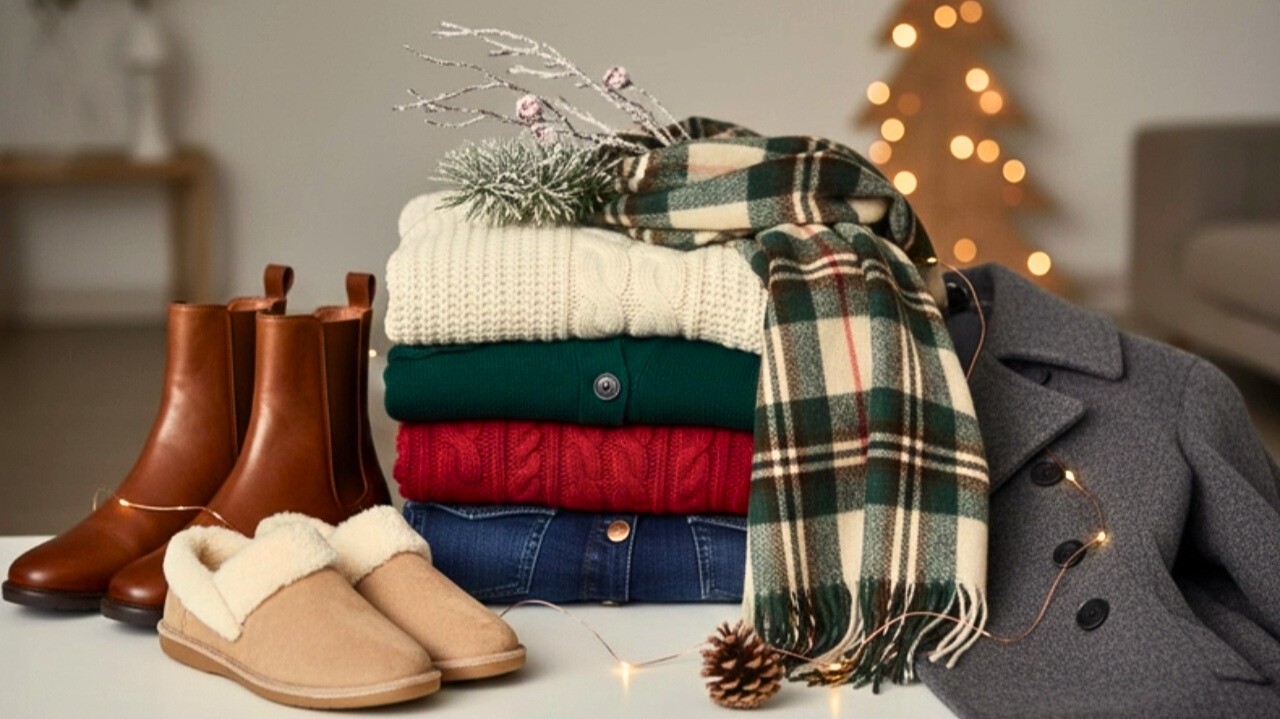
Clothing and footwear have maintained the highest purchase frequency for over five years. In 2025 alone, 53% of consumers purchased apparel, while 37% of recipients wanted it, representing the strongest giver–recipient alignment among all categories.
Long-term data shows this category remains resilient across income levels and age groups, making it a reliable anchor in Christmas gifting even as consumer preferences shift.
Gift Cards & Vouchers: Flexible Gifting
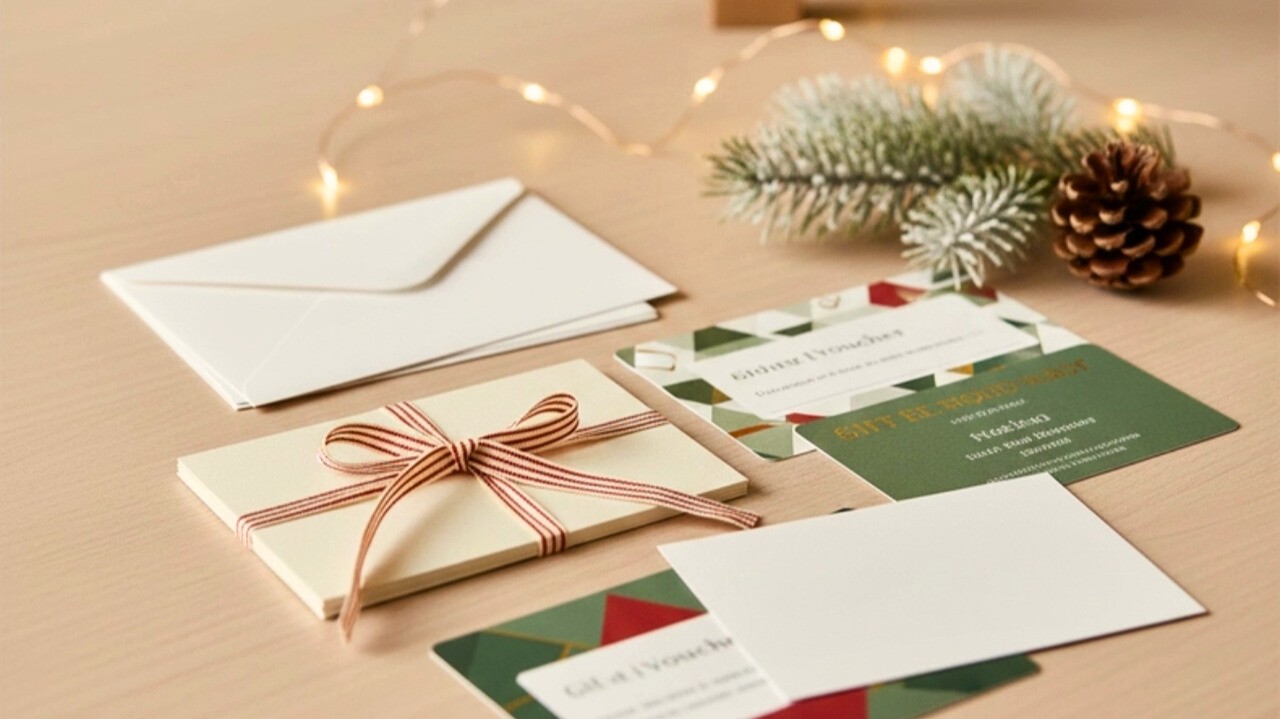
Gift cards have ranked in the top three categories since 2015, largely due to their flexibility and lower risk of mismatched preferences. In 2025, 39% of consumers purchased gift cards, and 33% of recipients preferred them.
Early adoption was strongest among Baby Boomers, but multi-generational data indicates sustained relevance across age cohorts, reinforcing their long-term role in holiday gift selection.
Experiential Gifts & Subscriptions: Strongest Momentum

Experiential gifting has shown accelerating growth since 2019, particularly among Millennials and Gen Z. In 2025, 92% of consumers expressed preference for experiences over material goods, while subscription gifting reached 21% adoption, up 6 percentage points year over year.
This shift highlights a broader change in gifting priorities, with consumers placing more value on shared experiences and longer-lasting engagement than on one-time purchases.
Beauty & Personal Care: Premium Growth
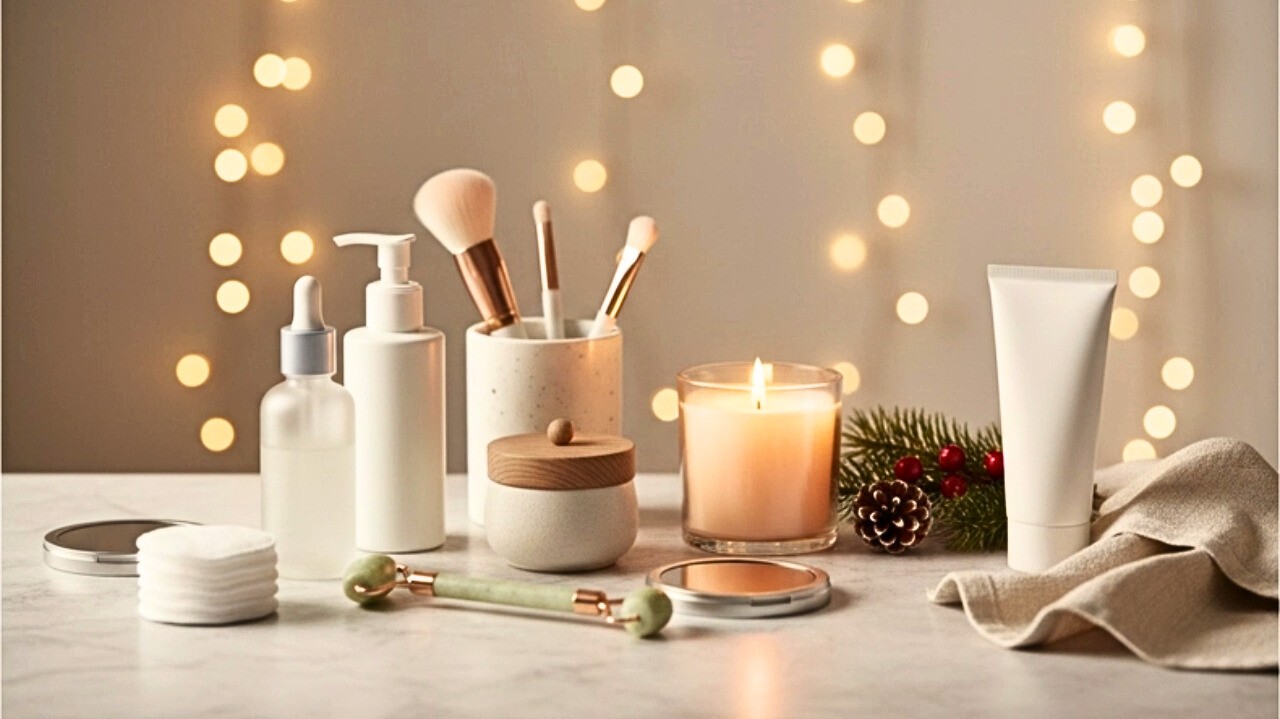
Beauty gifting has grown steadily since 2020, transitioning into a mainstream category. In 2025, 33% of consumers purchased beauty gifts, with an average spend of $247 per item.
Prestige beauty recorded 9% year-over-year growth, the strongest performance among general merchandise categories, pointing to a continued move toward premium and higher-value personal care gifts.
Toys & Games: Stable Demand
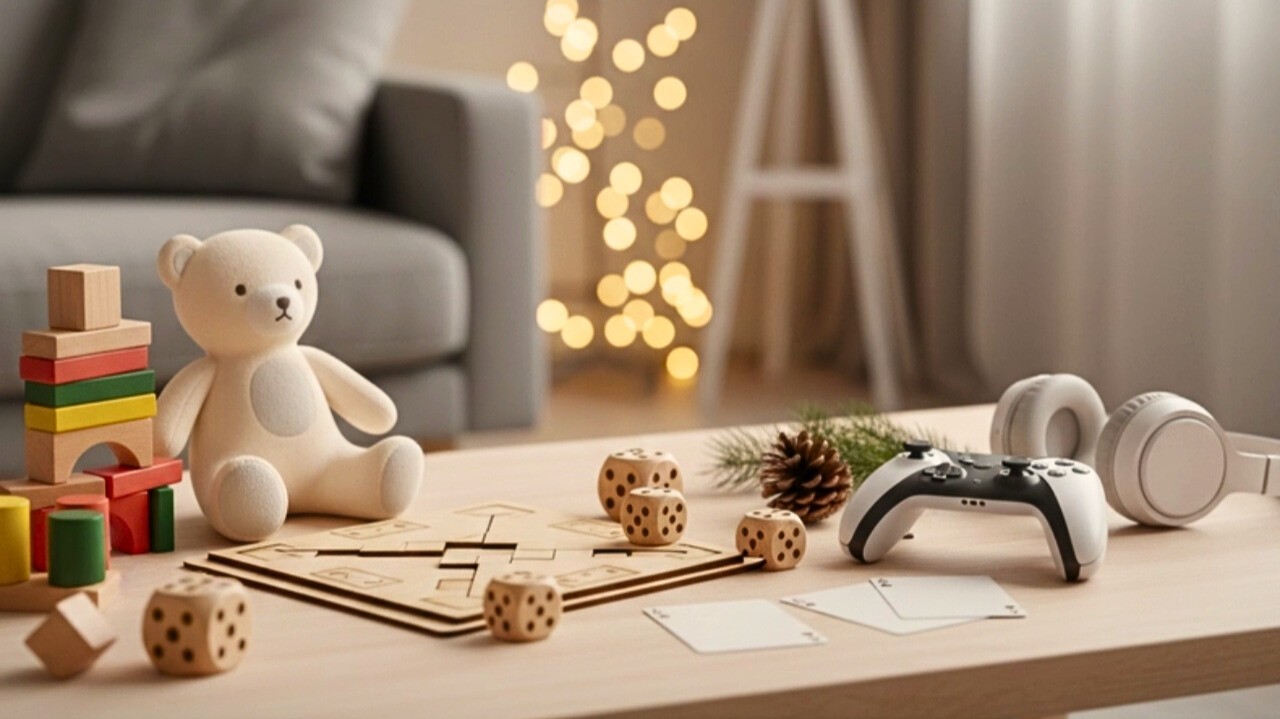
Despite expectations of decline, toys and games remain resilient. 41% of consumers purchased toys and games in 2025, with Millennials purchasing at a higher rate (48%) than Gen Z (35%).
Long-term purchase patterns suggest that physical play and shared entertainment remain important in family-focused Christmas gifting.
Food & Beverage Gifts: Reliable Performance
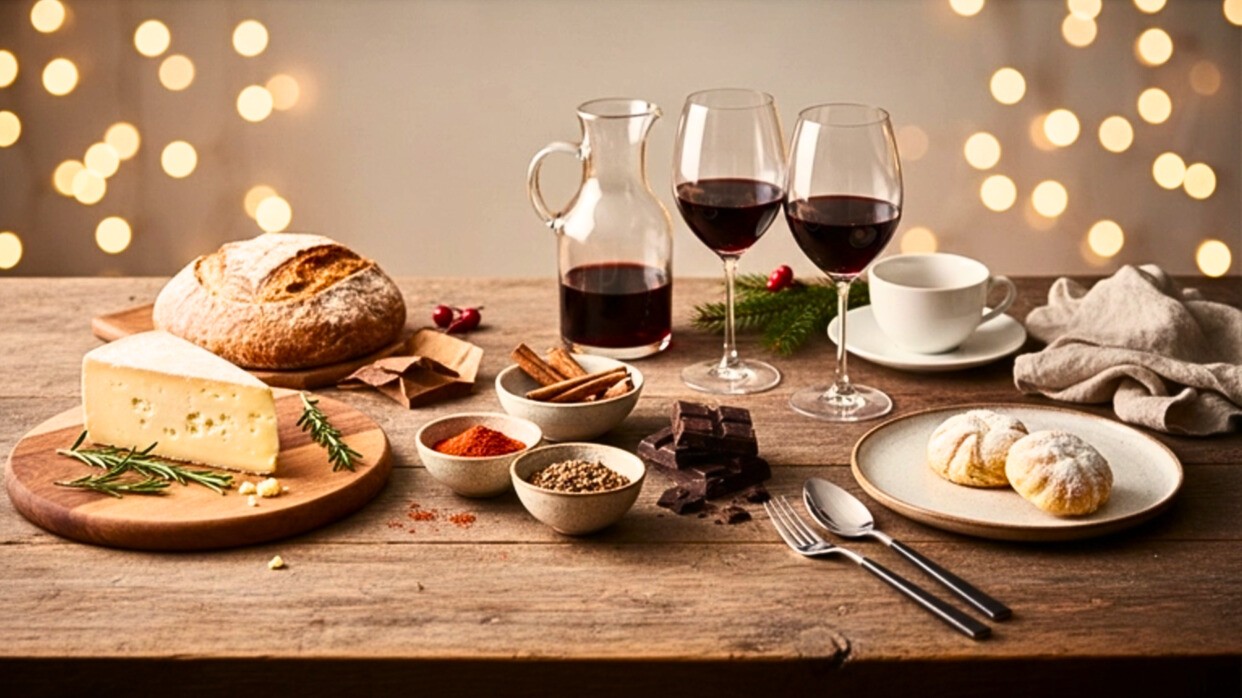
Food gifting remains stable due to its universal appeal. In 2025, 33% of consumers purchased food and beverages, while 21% of recipients desired them.
Powerdrill Bloom data also shows meaningful overlap between food gifting and experiential preferences, particularly around dining and tasting experiences.
7. Consumer Electronics & Smart Home: Sustained Growth
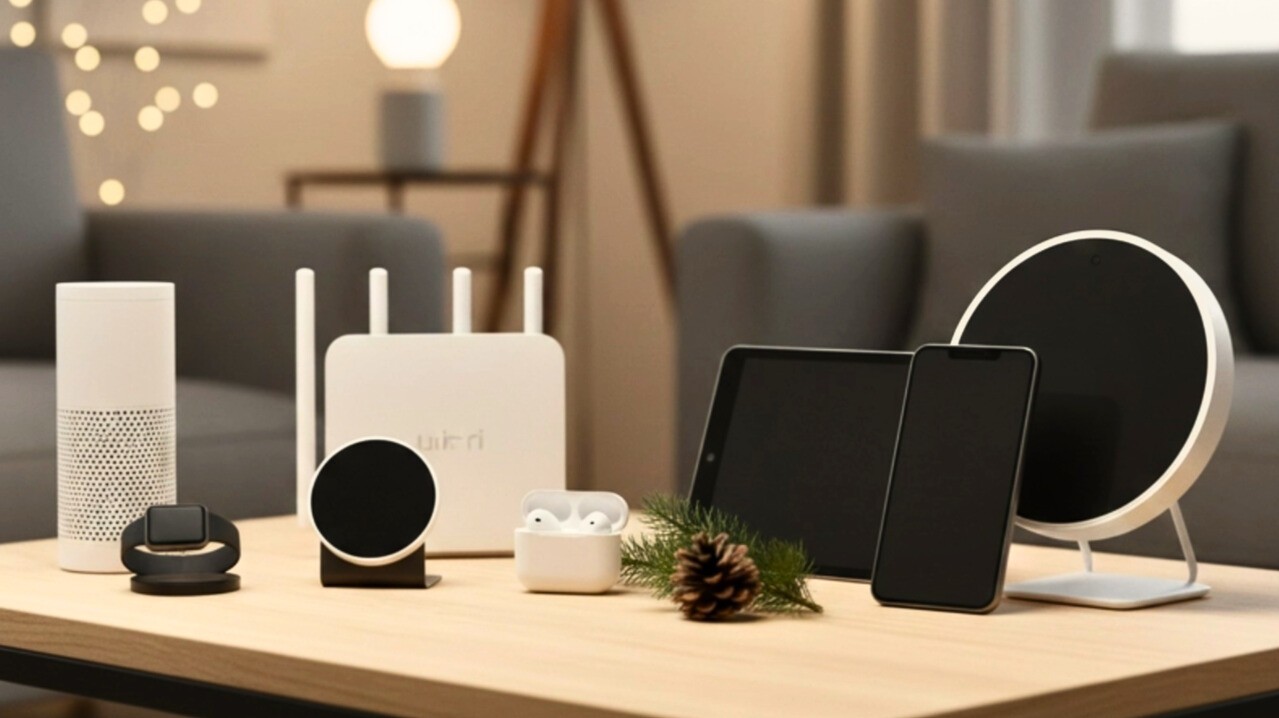
Electronics have evolved from luxury items into expected gifts. In 2025, 26% of recipients desired consumer electronics, with smart home security devices showing particularly strong traction.
Historical pricing declines and growing adoption of connected devices explain this category’s steady rise in Christmas gift trends.
Future Christmas Gift Trends: Strongest Momentum
Using Powerdrill Bloom’s forward-looking signals—such as engagement velocity, adoption growth, and cross-season persistence—categories are grouped by relative momentum rather than by prediction certainty.
Categories with the Strongest Growth Signals
Experiential Gifts & Subscriptions: The combination of 92% consumer preference and continued year-over-year adoption growth positions experiences as the strongest driver shaping future Christmas gift trends.
Beauty & Prestige Personal Care: With 9% YoY growth and rising average spend, beauty shows sustained momentum, particularly in premium and wellness-oriented segments.
Smart Home & Connected Devices: Smart home security systems and connected devices demonstrate expanding relevance, supported by sustained consumer interest across multiple holiday cycles.
Stable Anchor Categories
Clothing & Footwear: Still central to popular Christmas gifts, but data indicates more moderate growth relative to experience-driven categories.
Gift Cards & Vouchers: Penetration remains stable at 30–35%, reinforcing their role as a reliable fallback option in holiday gift outlook analyses.
Categories Facing Structural Constraints
Toys & Games: Growth remains modest, with data indicating stronger performance in premium, collaborative, or hybrid formats rather than mass-market products.
Mass-Market Food Gifts: Future growth skews toward premium and experience-linked offerings rather than traditional packaged goods.
Conclusion
Looking across historical performance and future-oriented signals derived from Powerdrill Bloom’s analysis, the data shows a clear evolution in how consumers approach Christmas gifting. While clothing and gift cards remain essential anchors, experiential gifts, prestige beauty, and smart home technology show the strongest momentum heading into future Christmas seasons.
This holiday gift outlook reflects how consumer preferences are gradually shifting—from ownership toward experience, from volume toward value—based on measurable, sustained trend signals identified through Powerdrill Bloom, rather than short-lived seasonal spikes.
Disclaimer: This analysis is based on historical and trend data signals and is indicative only, not a guarantee or recommendation.
Related Post

24 déc. 2025
/
Publication par
23 déc. 2025
/
Publication par

17 déc. 2025
/
Publication par