
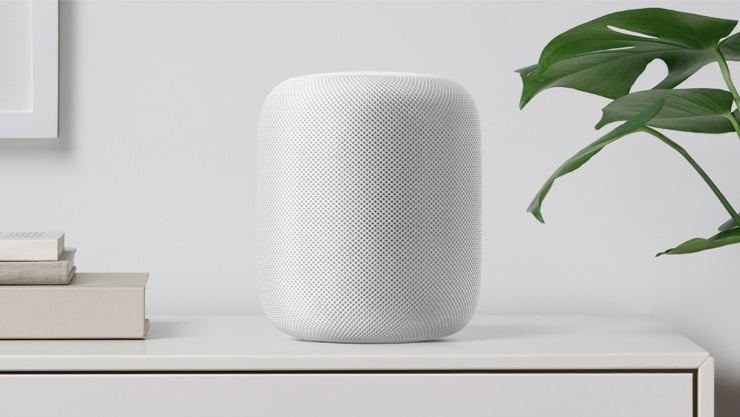
Every so often, prediction markets light up around Apple — the most predictable company in the world. And yet, each time, people bet on the improbable. I also saw that there is a discussion on polymarket about the topic "Will Apple release HomePod mini successor by December 31?"
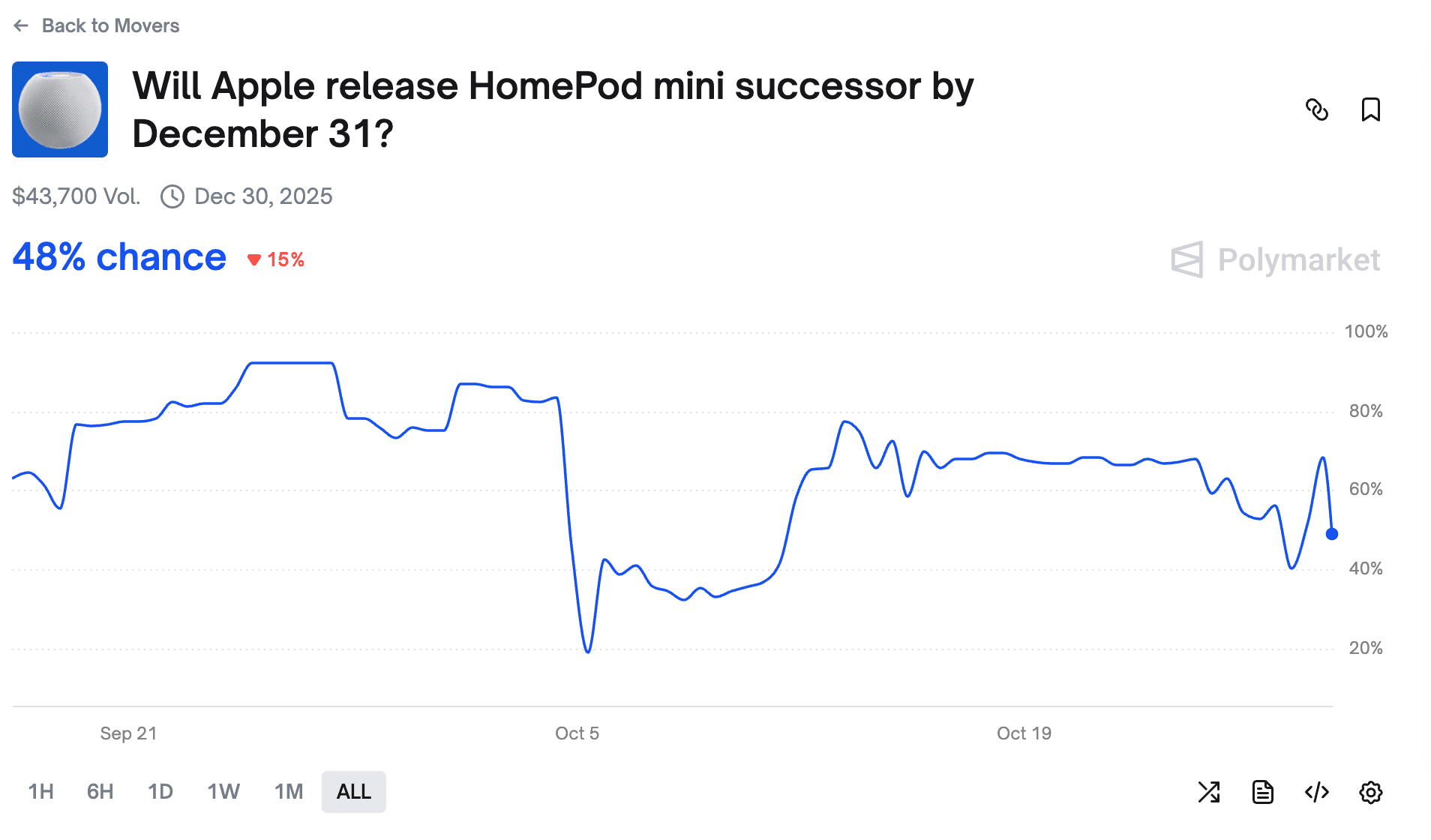
This season, I’ve been watching discussions on whether Apple might announce a HomePod mini successor before the end of 2025 too. After running the numbers, feeding historical event data and supply chain patterns into Powerdrill Bloom, my AI-driven forecasting platform, the model gave me a very clear answer:
Only a 5–15% probability that Apple releases or even announces a new HomePod mini before December 31.
That number might sound low, but in Apple’s universe, where timing discipline is almost a religion, even 15% feels generous.
if you’re following these moves closely, Dive deeper with Powerdrill Bloom to see the full probability breakdown and advanced insights.
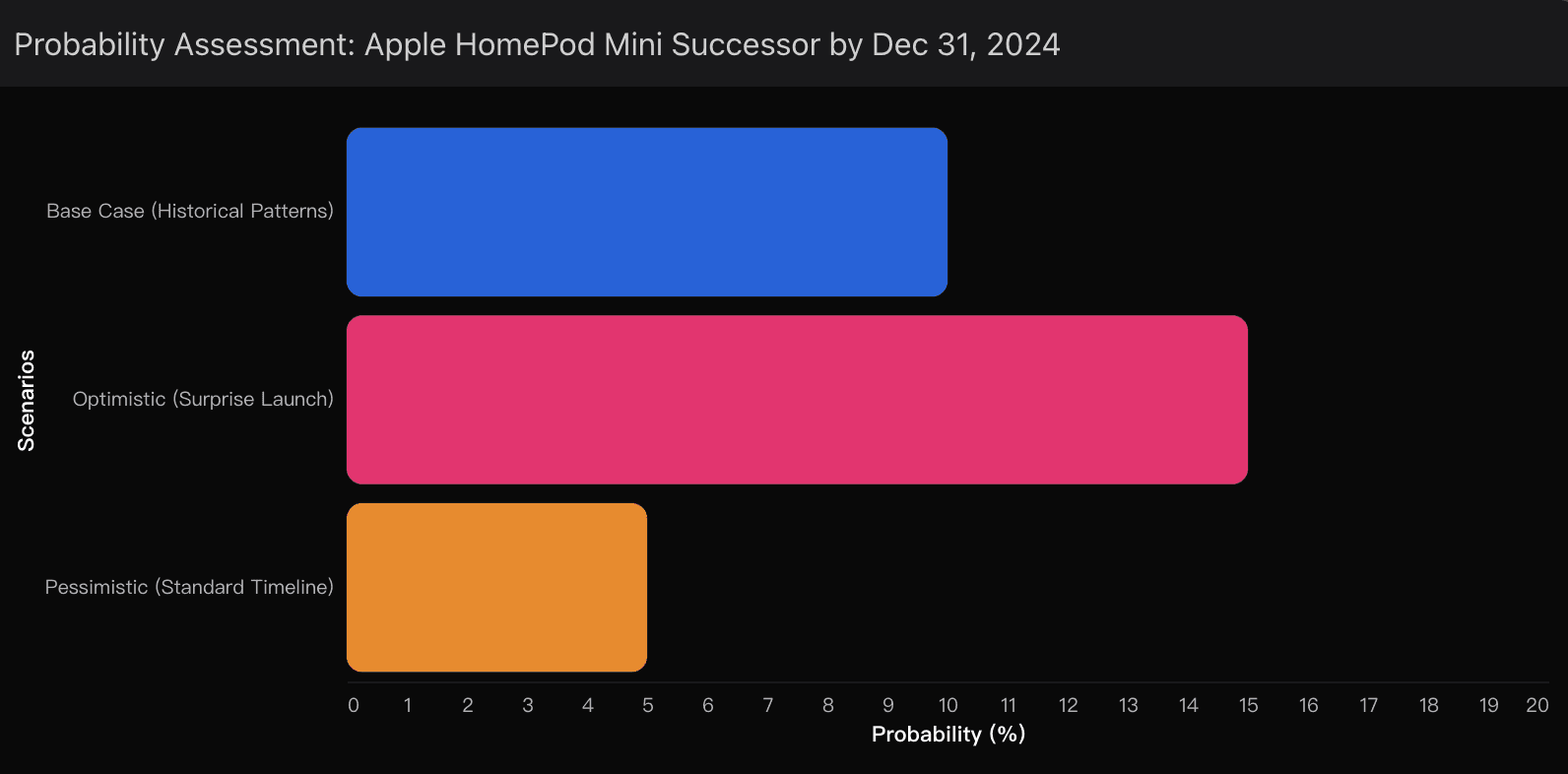
What Powerdrill Bloom Sees — The Core Logic Chain
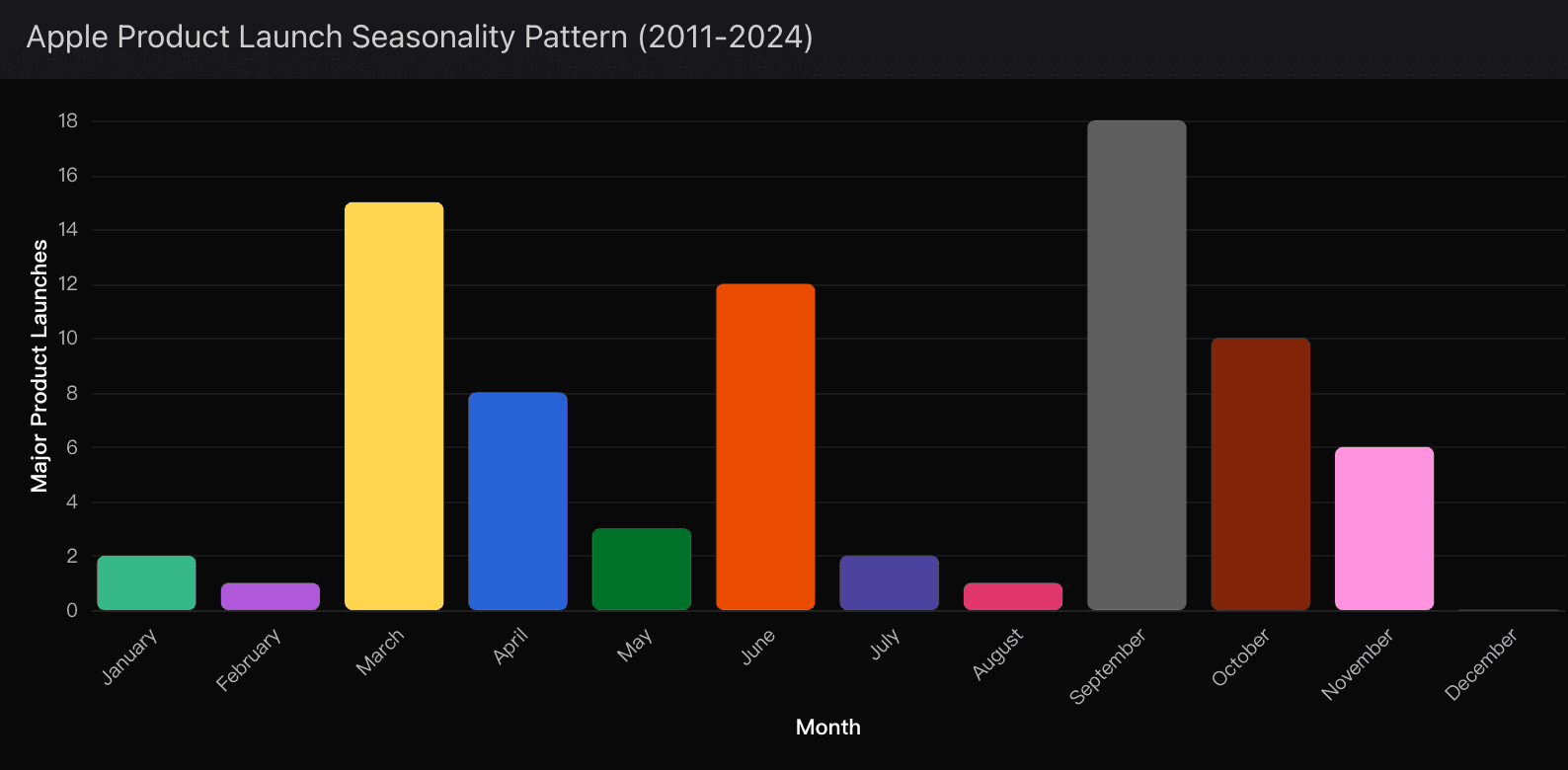
When I model Apple launch probabilities in Powerdrill Bloom, I start with temporal clustering — a dataset of every Apple hardware announcement since 2011. The pattern is astonishingly rigid.
Apple’s entire hardware year follows a four-event rhythm:
Spring (March/April) – iPads, entry-level Macs, and sometimes accessories
WWDC (June) – Software + occasional Mac or chip preview
iPhone Event (September) – iPhone, Watch, AirPods
Fall Mac Event (October/November) – Macs and high-end accessories
And then… nothing.
December, for Apple, is a blackout month.
Apple has never launched new hardware in December in its modern era. It’s not a superstition — it’s logistics. The company avoids introducing new SKUs into global supply chains right before the most chaotic retail season of the year.
Powerdrill Bloom ’s event-timing model scores December as a 0.03 launch probability month for Apple — the lowest across their entire product calendar.
2024–2025 Intelligence Summary
In Powerdrill Bloom ’s multi-source synthesis module — which aggregates weighted credibility from outlets like MacRumors, Ming-Chi Kuo’s supply chain notes, and TrendForce manufacturing data — the story is consistent:
Target window: Q3 2025 (July–September)
Upgrade details: S9/S10 chip integration, improved audio calibration
Manufacturing status: No mass production yet — early prototype stage
Kuo’s reports note Apple’s smart home hardware refreshes operate on an 18–24 month cycle. The original HomePod mini (S5 chip) launched in November 2020. A 2025 release fits perfectly into Apple’s five-year cadence for secondary hardware families.
In contrast, a 2024 December release would break every historical precedent and force Apple to disrupt its meticulously optimized assembly and shipping timelines.
Contrarian Angles I Still Considered
Even though the Powerdrill Bloom model ranks “no December launch” as the dominant scenario, I still ran contrarian simulations — the kind that test how Apple could theoretically surprise the market.
Surprise Holiday Push
Apple could do a stealth drop to capture holiday smart home demand, especially with Amazon’s Echo and Google’s Nest devices gaining traction. But Apple historically relies on product scarcity as a feature, not a flaw. A stealth December drop would dilute that.Accelerated S9 Chip Production
Apple has shifted part of its S9 chip assembly to U.S. facilities. In theory, faster yields could enable earlier hardware integration — but internal build timelines still indicate no new accessory releases in Q4.Competitive Pressure from Matter Ecosystem
The growing Matter smart home protocol adoption is a genuine competitive driver. Apple could rush a refresh to stay relevant in the expanding multi-device environment.
Still, Powerdrill Bloom ’s competitive urgency model shows only a 0.12 elasticity effect — meaning even elevated competition wouldn’t move Apple’s timeline by more than a quarter.
My Verdict
After running every angle — historical event timing, supply chain activity, market intelligence, and contrarian what-ifs — I’m comfortable locking in the following forecast:
5–15% probability Apple releases a HomePod mini successor before December 31, 2025.
That 5–15% reflects only tail risk: a surprise announcement, not a planned event.
The overwhelming evidence points to a late 2025 window, aligning with Apple’s structured cadence, chip roadmap, and marketing philosophy.
To bet otherwise is to bet against a company whose greatest strength is consistency.
Related Post

Oct 28, 2025
/
Post by
Olivia