Best ChatGPT Deep Research Alternatives in November, 2025
Introduction
In today’s fast-moving information age, quick answers are no longer enough. What professionals, analysts, and researchers truly need is deep research — the ability to define a topic, let AI explore across multiple trusted sources, analyse the findings, and produce a structured, citation-rich report.
That’s exactly what ChatGPT Deep Research does. When you provide a topic — for instance, “electric-vehicle battery trends 2025” — the system automatically spends several minutes exploring the web, reading relevant documents, and synthesising insights into a concise yet comprehensive summary. It can even break a question into sub-topics, perform cross-checks, and display references and reasoning steps, making research both faster and more transparent.
However, the Deep Research landscape is expanding quickly. Other AI platforms now offer similar or even more specialised capabilities — some focusing on data-driven exploration, others on academic reasoning or enterprise-scale knowledge mining. Below, we’ll explore the best ChatGPT Deep Research alternatives in 2025 that go beyond conversational AI to deliver true analytical depth.
What Defines a Deep Research AI?
Before diving into the tools, it’s useful to understand what sets a Deep Research AI apart from a typical chatbot.
A Deep Research AI should:
Perform topic-driven exploration, not just answer a single prompt.
Synthesize information across multiple documents or sources.
Provide traceable citations and evidence for claims.
Enable analytical reasoning, comparison, and data visualisation.
Continuously refine results with iterative questioning (“Why?”, “Compare”, “Show trends”).
In short, ChatGPT Deep Research popularised this workflow — but other platforms are taking it further with their own data integrations, analysis layers, and automation capabilities.
Evaluation Criteria
When selecting the best Deep Research alternatives, we assessed each tool on the following aspects:
Criterion | Description |
|---|---|
Depth of exploration | How thoroughly the tool explores and connects multiple sources |
Citation and verification | Whether it shows and links to references |
Data integration | Ability to analyse uploaded or online datasets |
Analytical capability | Summarisation, trend detection, and insight generation |
Ease of use and pricing | Accessibility for individuals or teams |
Best ChatGPT Deep Research Alternatives
1. Powerdrill Bloom
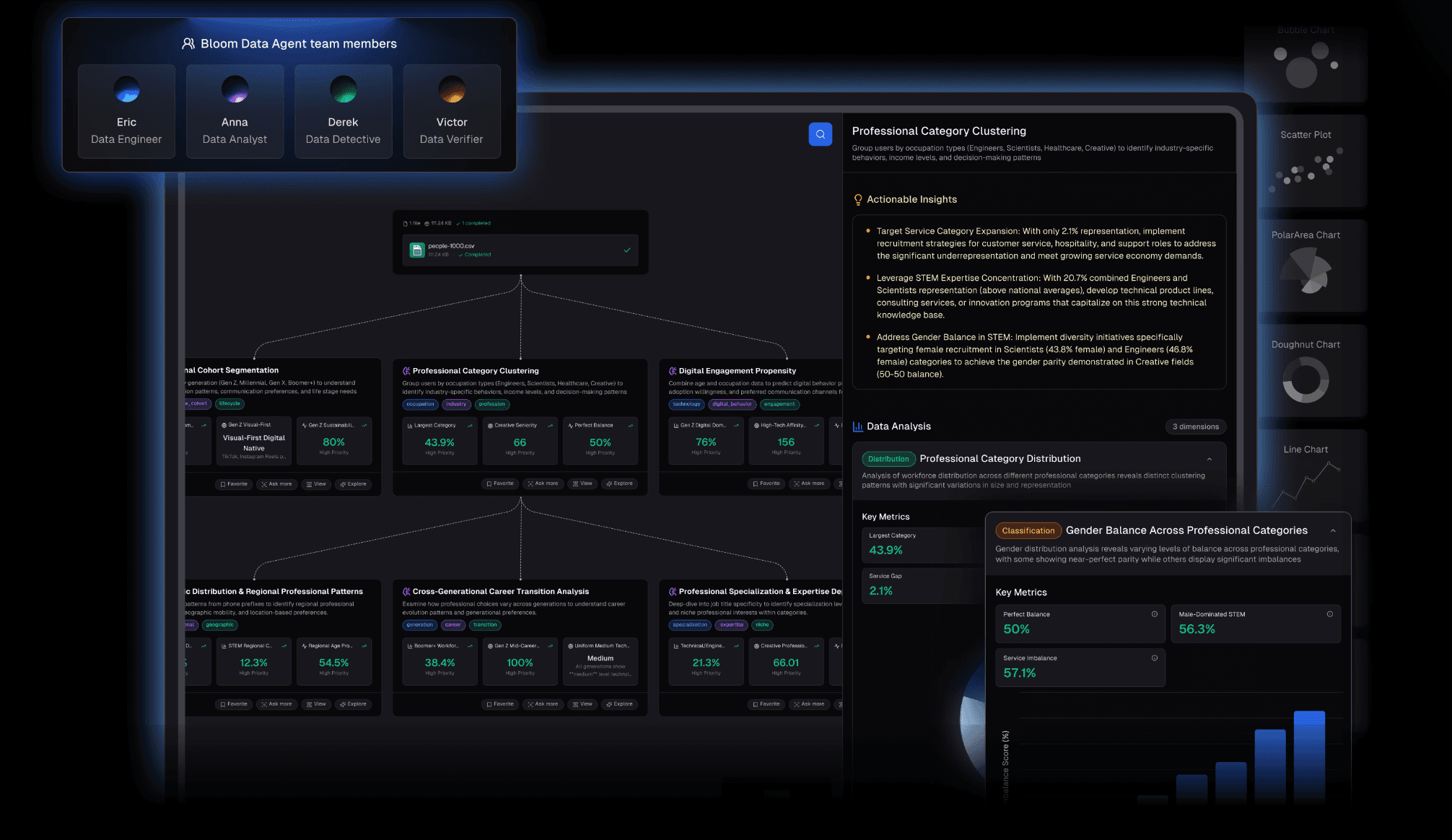
Powerdrill Bloom is a next-generation Deep Research AI designed to help users go beyond surface-level answers. Once a topic is defined, it autonomously conducts structured, multi-step exploration — finding, analysing, and connecting insights from both online and uploaded sources. Unlike typical AI chatbots, Bloom doesn’t just summarise text; it builds context, compares data, and generates visual reports with actionable conclusions. This makes it an all-in-one companion for researchers and analysts who need depth, reasoning, and clarity in one place.
Key Features
Topic-centric exploration: Bloom automatically breaks a topic into sub-questions and investigates each.
Multi-source synthesis: integrates web results, uploaded files, and datasets.
Analytical insights: generates charts, correlations, and data-backed conclusions.
Continuous exploration: allows iterative refinement with contextual follow-ups.
AI-generated reports with clear structure and visual evidence.
Why It Excels
Unlike ChatGPT Deep Research, which primarily aggregates textual findings, Powerdrill Bloom goes deeper into analytical reasoning, merging qualitative insights with quantitative analysis. It’s ideal for researchers, data analysts, and strategists who need not only information but actionable intelligence.
Pricing
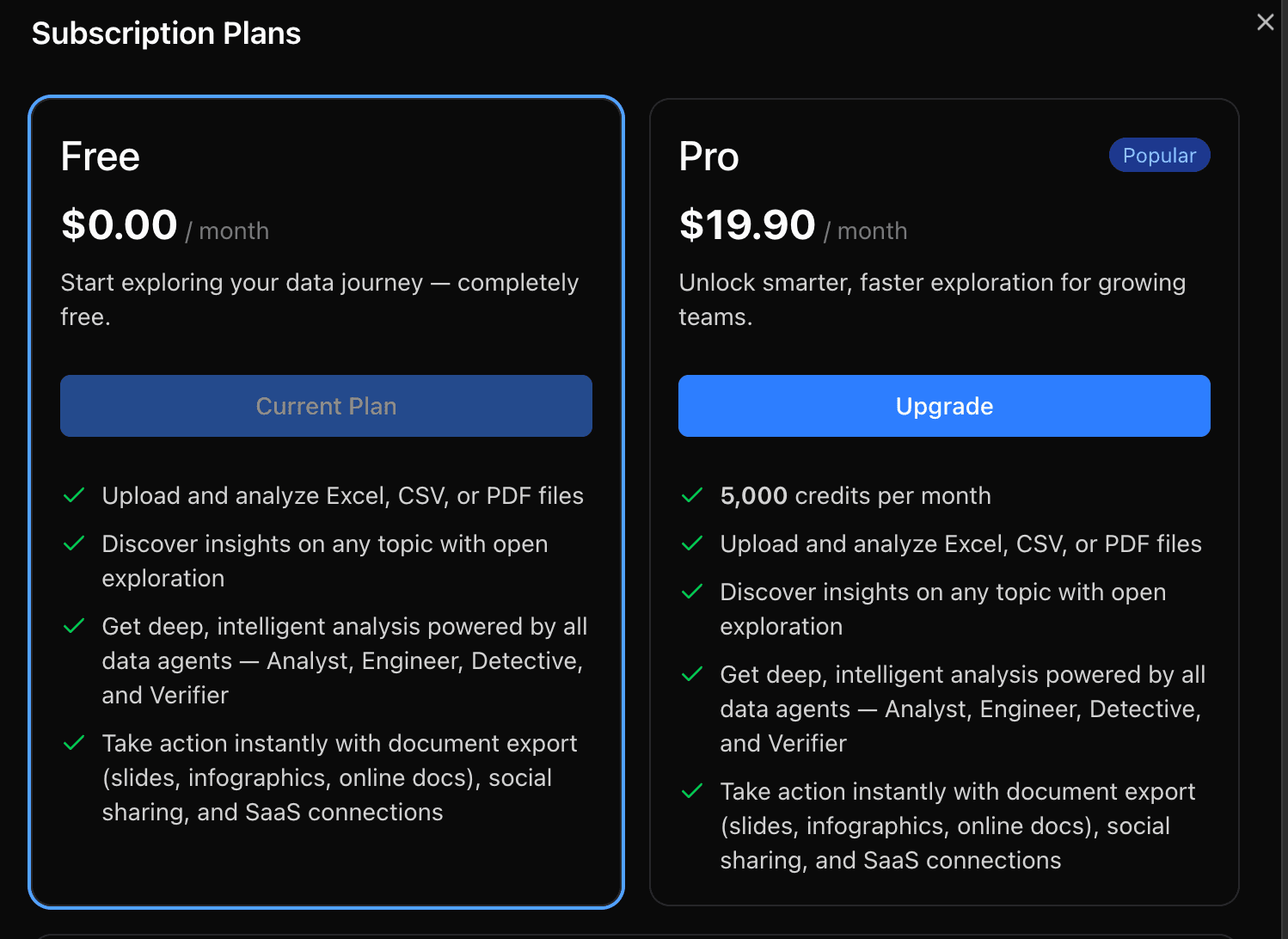
Powerdrill Bloom offers simple, usage-based pricing with a Free plan to get started and a Pro plan for advanced AI exploration and higher productivity.
Best for
Market research
Strategic planning
Academic topic analysis
Business intelligence
2. Gemini Deep Research
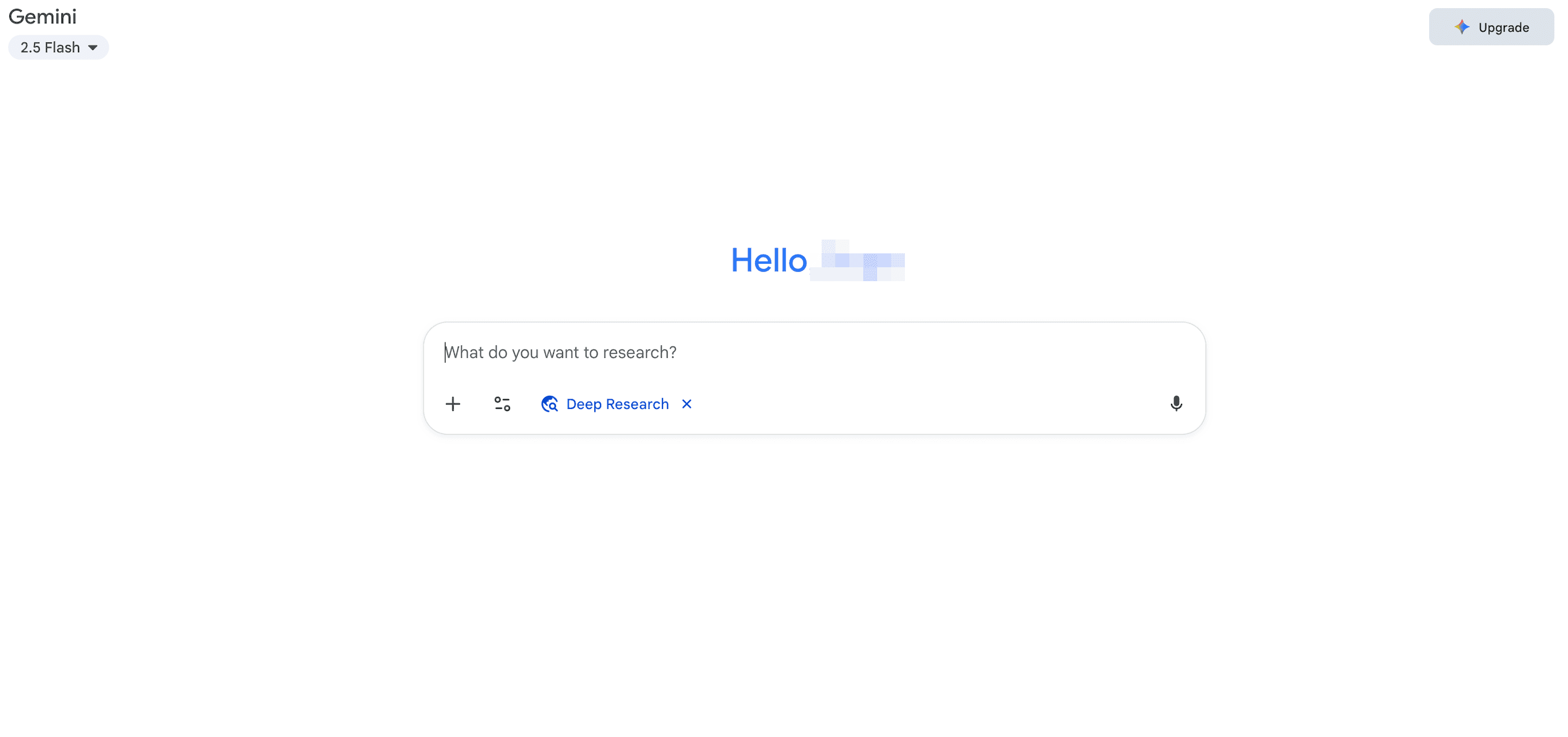
Gemini Deep Research, part of the Gemini 1.5 suite, combines the power of Google Search, YouTube transcripts, and scholarly databases to deliver comprehensive, source-linked research. It automatically plans and executes a multi-stage workflow — from generating sub-questions to producing citation-backed summaries — all inside a unified Google interface. Users can upload long documents, analyse structured data, or explore cross-media information seamlessly. It’s ideal for professionals already using Google Docs, Sheets, and Drive who need a verified, integrated AI research assistant.
Key Features
Searches verified Google results and linked datasets.
Supports multimodal exploration (text, video, academic content).
Generates citation-backed insights.
Integrates tightly with Google Docs and Sheets for workflow continuity.
Pricing
Free tier: Limited access; basic Gemini features only.
Advanced / Pro plan: ~ $19.99 / month (first month free) — includes Deep Research mode, 2 TB storage, and enhanced context limits.
AI Ultra plan: ~ $249.99 / month — enterprise-level model with broader capabilities.
Best For
Researchers already in Google’s ecosystem seeking transparent, source-verified results.
3. Perplexity Deep Search (Pro Mode)
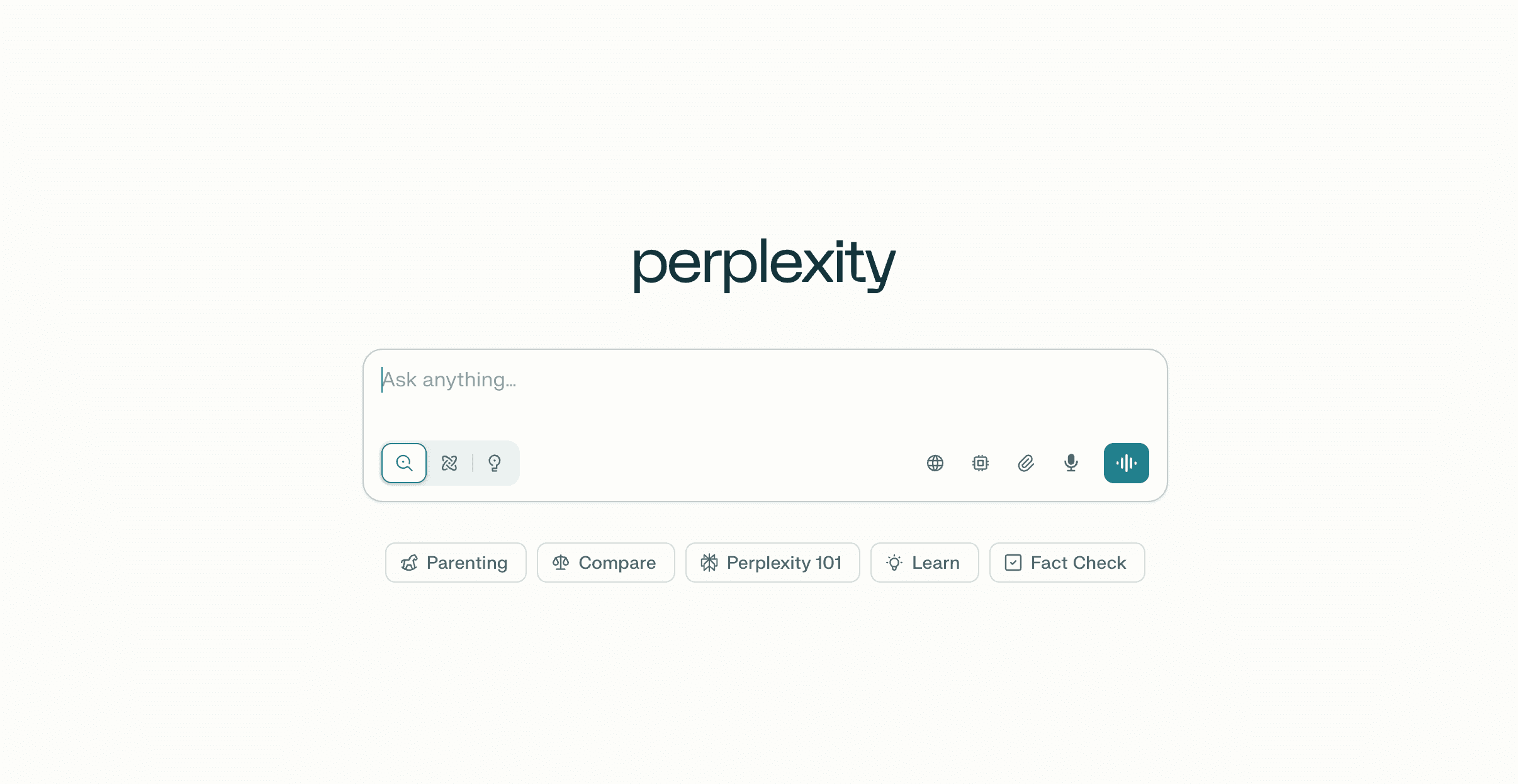
Perplexity AI’s Deep Search mode performs an extended, multi-minute research process before generating an answer, scanning hundreds of pages for accuracy and context. It compiles citations directly beneath responses, ensuring users can verify every claim. Its conversational interface supports iterative questioning, letting you refine queries and dig deeper into sub-topics. For writers and journalists, it provides a near-instant “assistant editor” capable of delivering credible, real-time information.
Key Features
Automatic source verification and citation.
Great for fact-checking and investigative research.
Provides conversation context memory for follow-up exploration.
Pricing
Free plan: Basic search with limited Deep Search queries.
Pro plan: $20/month — unlimited Deep Search, file uploads, priority access.
Enterprise tier: starts around $40/user per month.
Best For
Writers, journalists, and researchers who need live-web citations and efficient overviews.
4. Anthropic Claude 3.5 (Opus)
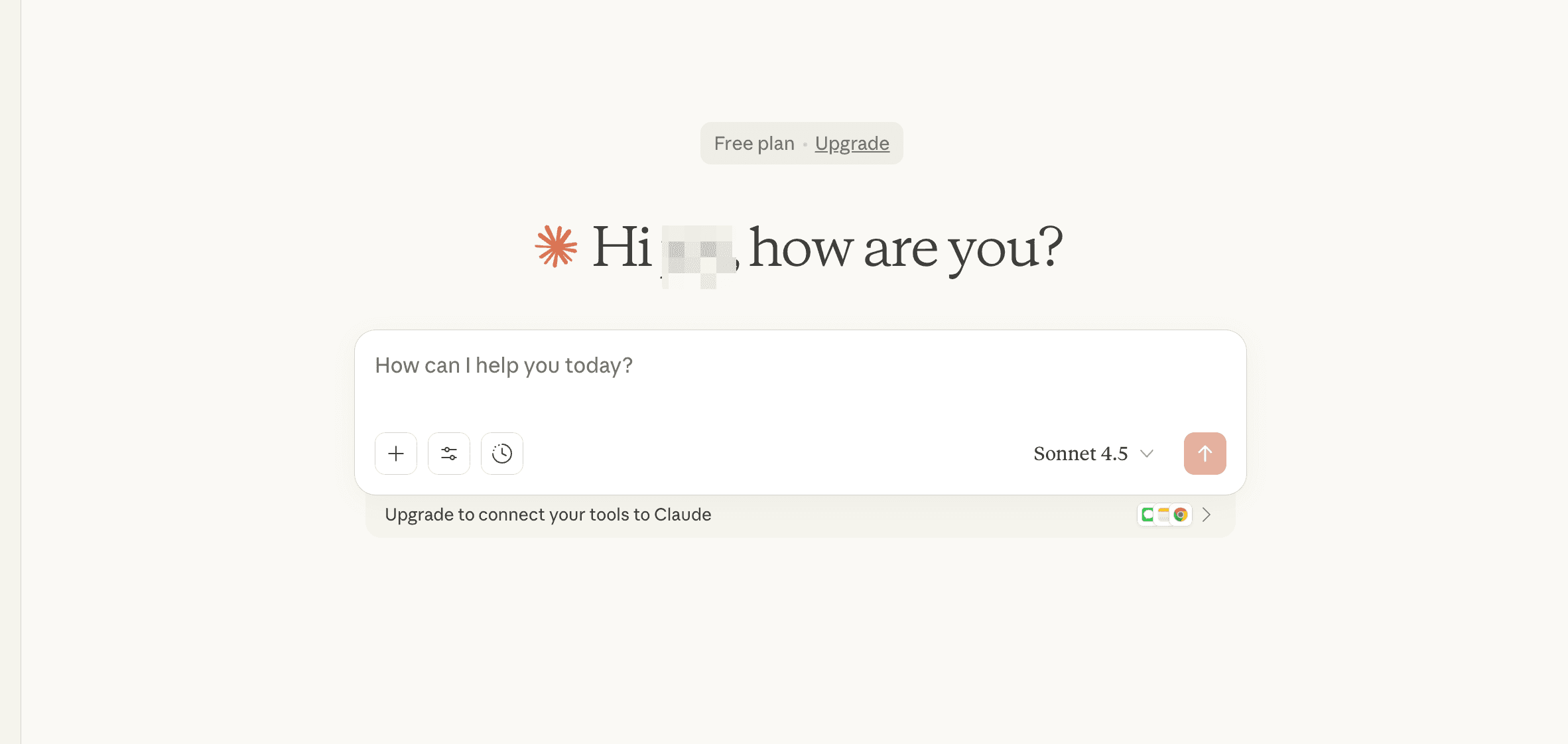
Claude 3.5 (Opus) by Anthropic is engineered for reasoning over extremely long texts and complex document sets. It can process hundreds of thousands of tokens, allowing detailed analysis of entire reports, research collections, or legal materials in one go. Unlike most chat-based AIs, Claude maintains coherence across huge contexts, summarising and interpreting arguments without losing nuance. It’s a top choice for professionals who rely on precision reading, synthesis, and analytical explanation.
Key Features
Exceptional reading comprehension and synthesis.
Supports uploading multiple documents for unified analysis.
Produces coherent summaries with accurate tone control.
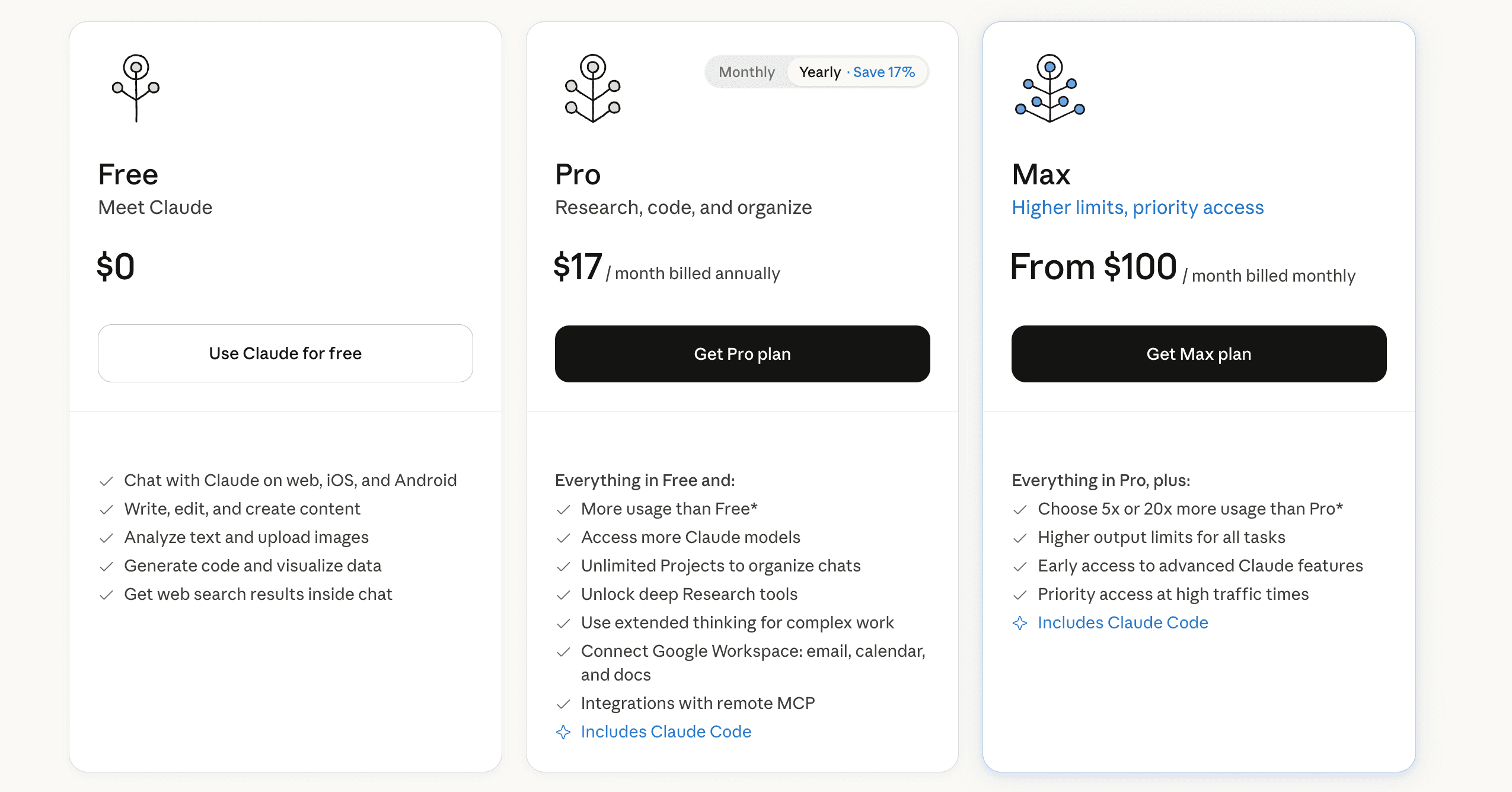
Pricing
Claude Pro: $20/month — includes Claude 3.5 Sonnet and Opus access.
Team/Enterprise plans: Custom pricing based on API usage or seat count.
Best For
Analysts working with long or complex text corpora requiring nuanced interpretation.
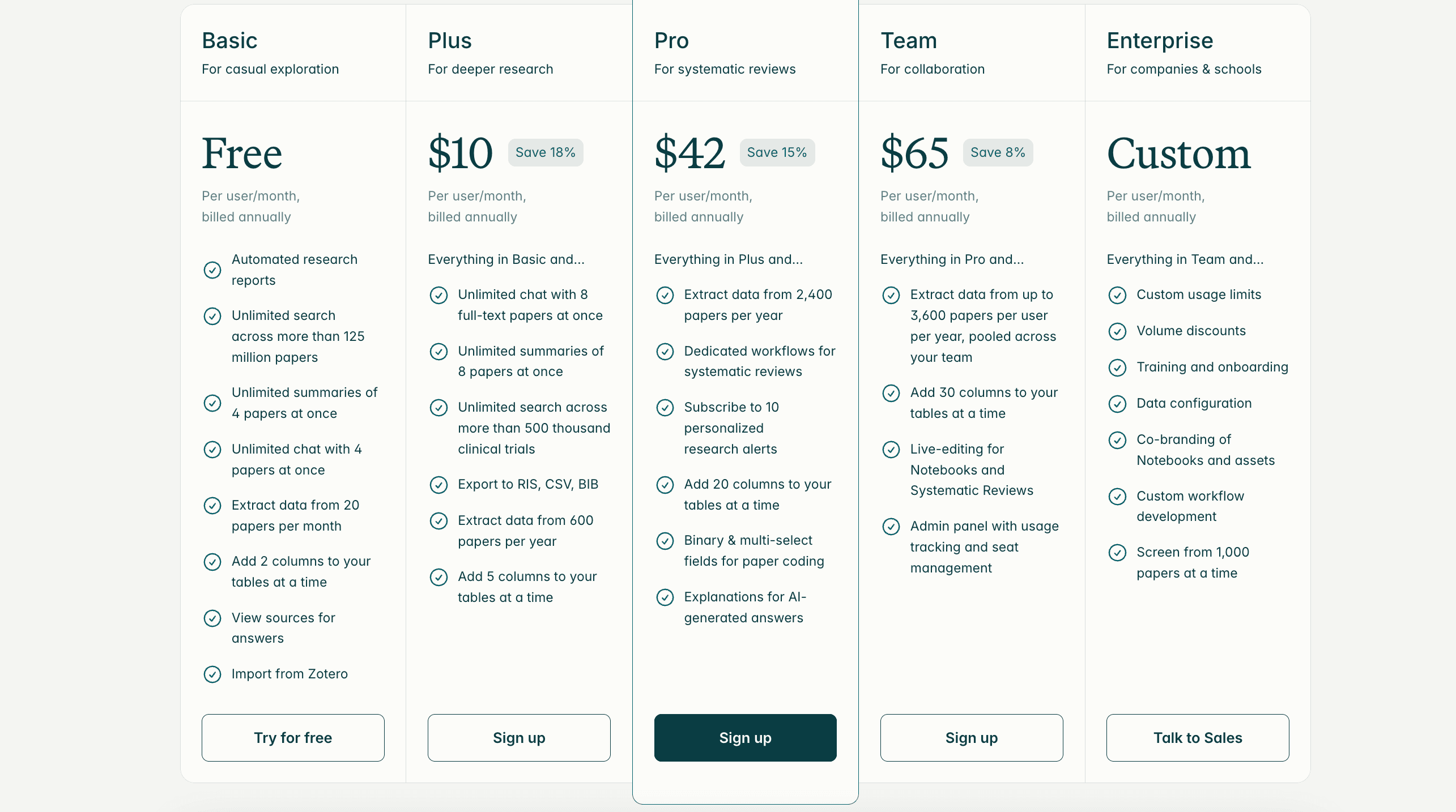
5. Elicit
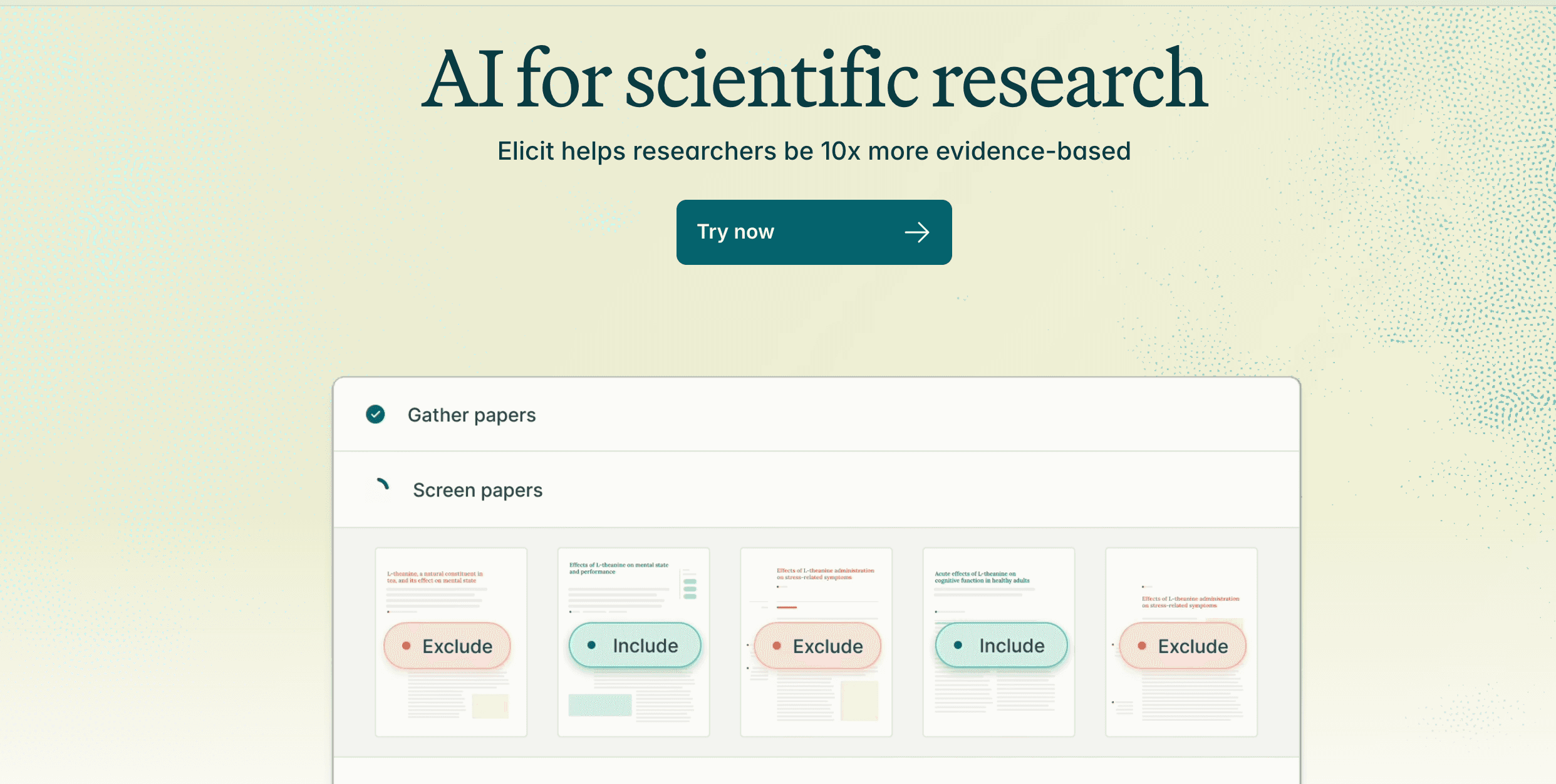
Elicit is built to simplify academic research by automating key steps of the literature review process. It can discover relevant papers, extract structured data (sample size, outcomes, methodology), and generate clean, evidence-based summaries. Researchers can refine criteria and instantly see which studies meet them, significantly speeding up review cycles. It’s widely used by academics who value transparency, reproducibility, and data-driven synthesis.
Key Features
Ideal for academic and evidence-based reviews.
Structured outputs (sample size, outcomes, citations).
Great for meta-analysis support.
Pricing
Free plan: Full access for academic use with usage limits.
Premium plan: Not publicly listed — available upon request for labs and institutions.
Best For
Academics conducting systematic reviews or building research frameworks.
6. Scite
Scite AI goes beyond summarisation by showing how papers cite and support one another, revealing the strength and direction of academic evidence. Each result is labelled as “supporting,” “contradicting,” or “mentioning,” helping users gauge scientific credibility at a glance. It integrates with research databases and reference managers for smoother workflows. For peer reviewers and scientists, it’s a must-have for validating claims and tracing the evolution of ideas.
Key Features
Verifies the credibility of scientific claims.
Integrates with academic databases.
Excellent for evidence-tracking.
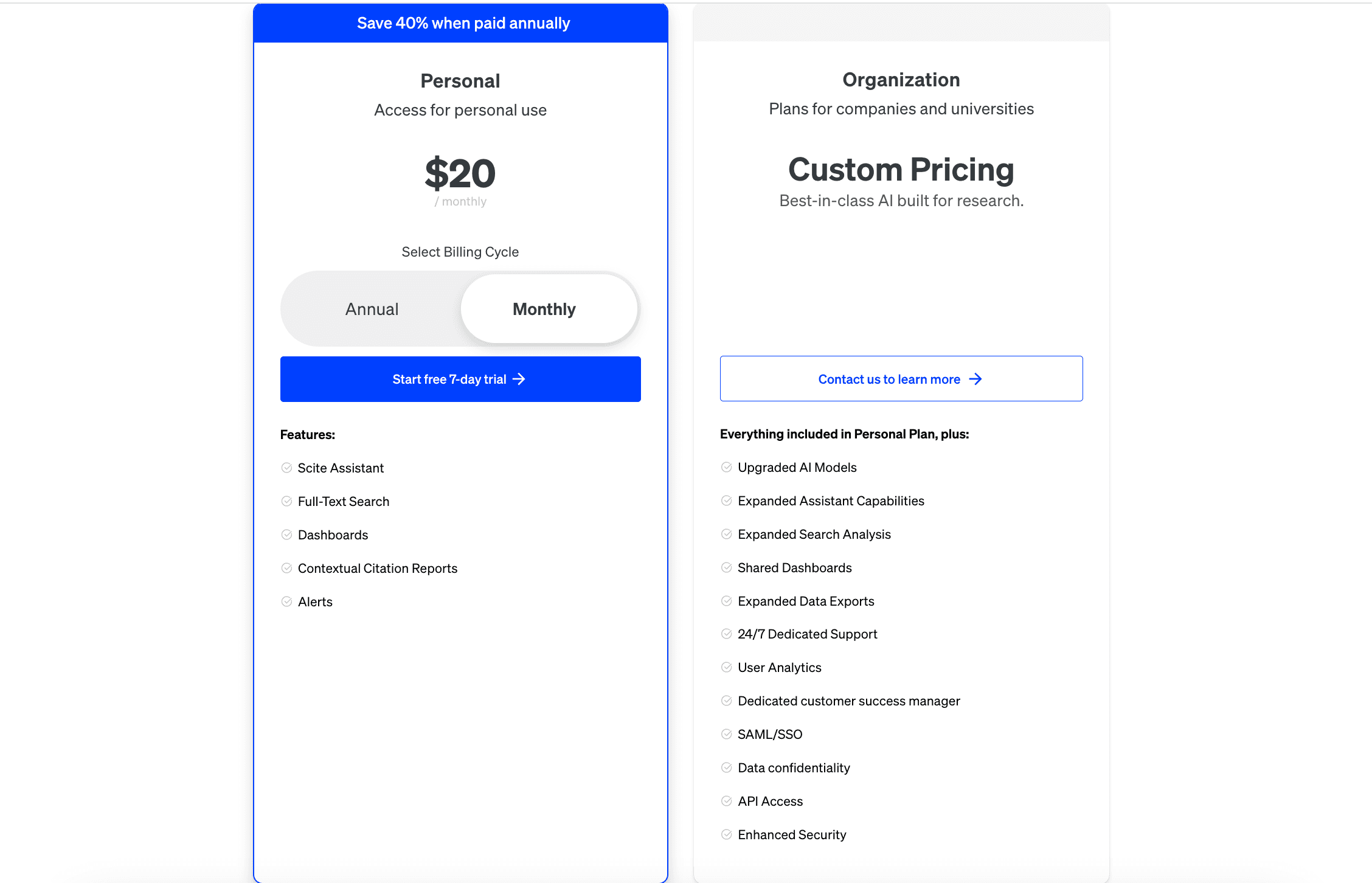
Pricing
Free plan: Limited search and citation features.
Individual plan: $12.99/month.
Team plan: $25/user/month (billed annually).
Institutional plans: Custom pricing for universities or labs.
Best For
Scientific validation and academic citation tracking.
7. Consensus AI
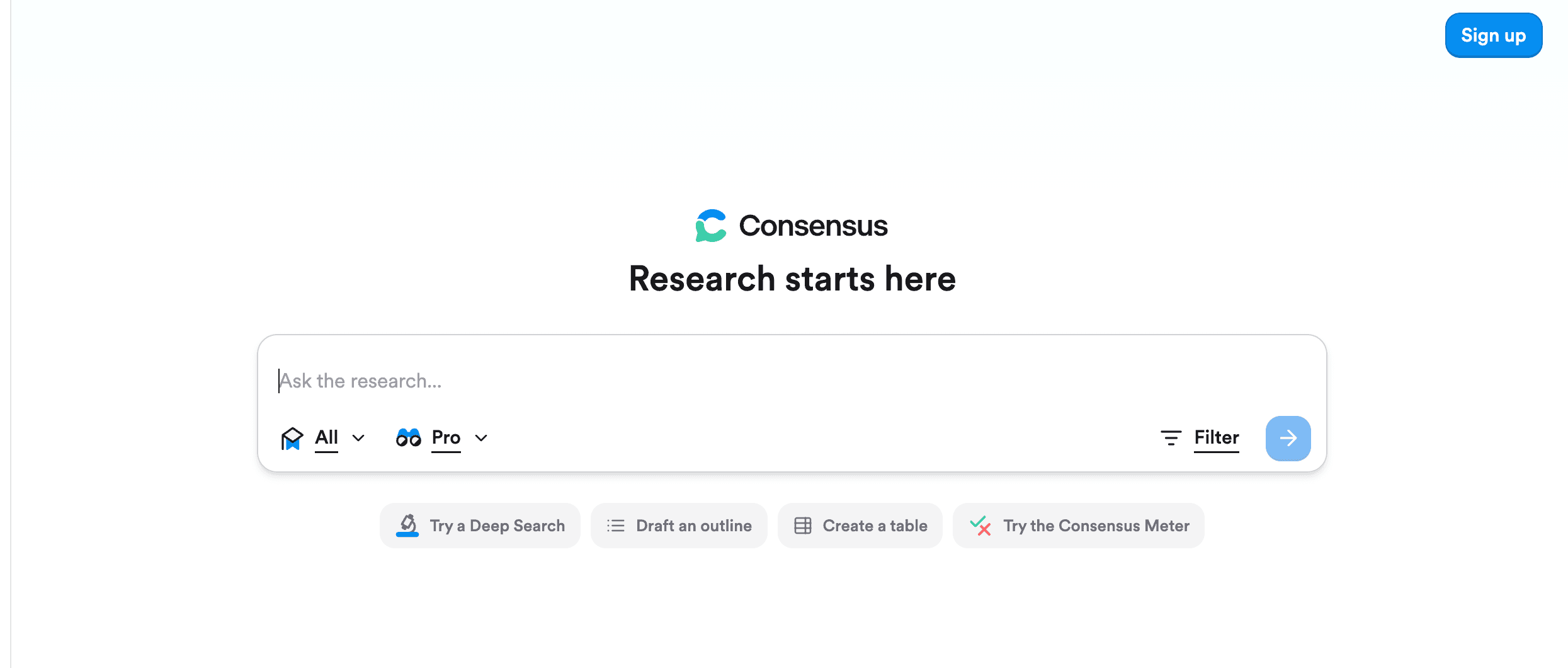
Consensus AI automatically aggregates findings from peer-reviewed studies to deliver balanced, citation-backed answers. Instead of cherry-picking data, it identifies overall trends of agreement or disagreement within a research field. Its clean interface makes it easy to interpret results and verify them through linked sources. The tool is especially useful in disciplines like medicine, economics, and environmental science where trustworthy evidence matters most.
Key Features
Aggregates conclusions across studies.
Ideal for healthcare, policy, and environmental topics.
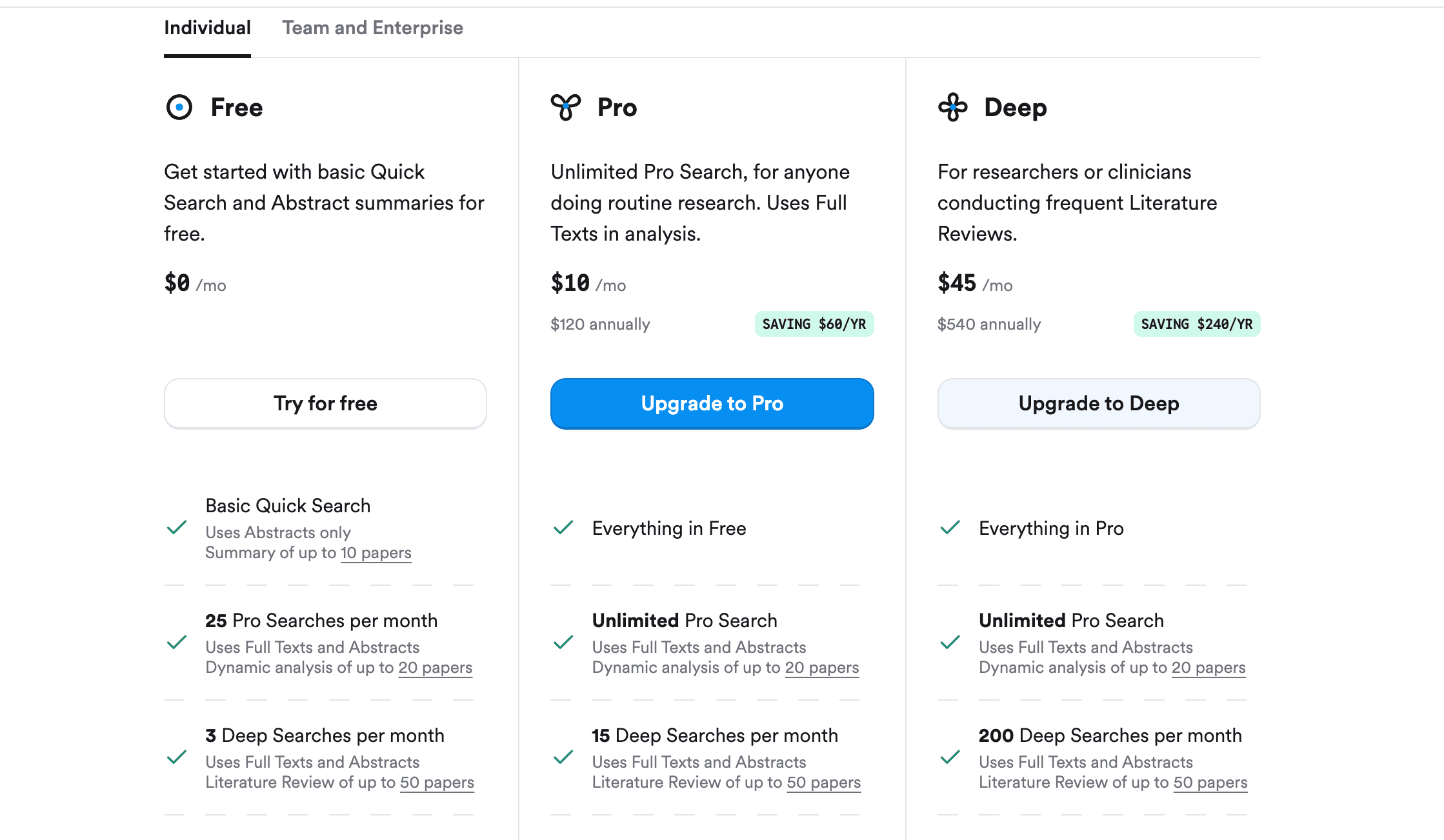
Pricing
Free version: Unlimited searches and summaries.
Pro plan: $29.99/month — includes advanced filters, batch queries, and report export.
Best For
Professionals seeking scientific consensus-level summaries.
8. Genei
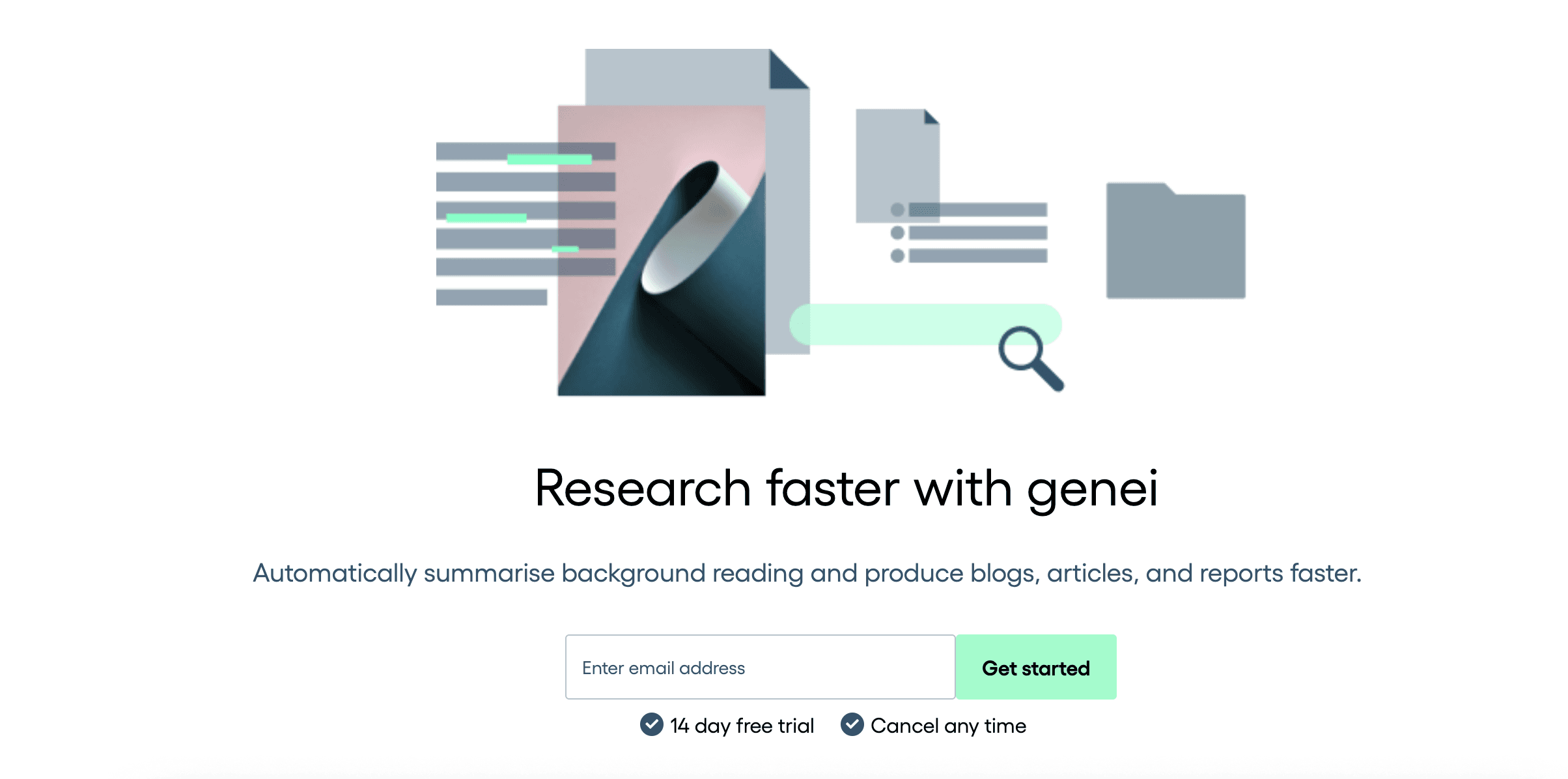
Genei helps researchers and students process large volumes of reading material by summarising and indexing multiple PDFs at once. It uses natural-language understanding to highlight key findings, arguments, and terminology. Notes and extracted insights can be saved, searched, and exported into structured outlines — ideal for literature reviews or report writing. By reducing manual reading time, Genei gives users more focus for interpretation and creative thinking.
Key Features
Semantic search inside uploaded documents.
Generates summaries, notes, and topic clusters.
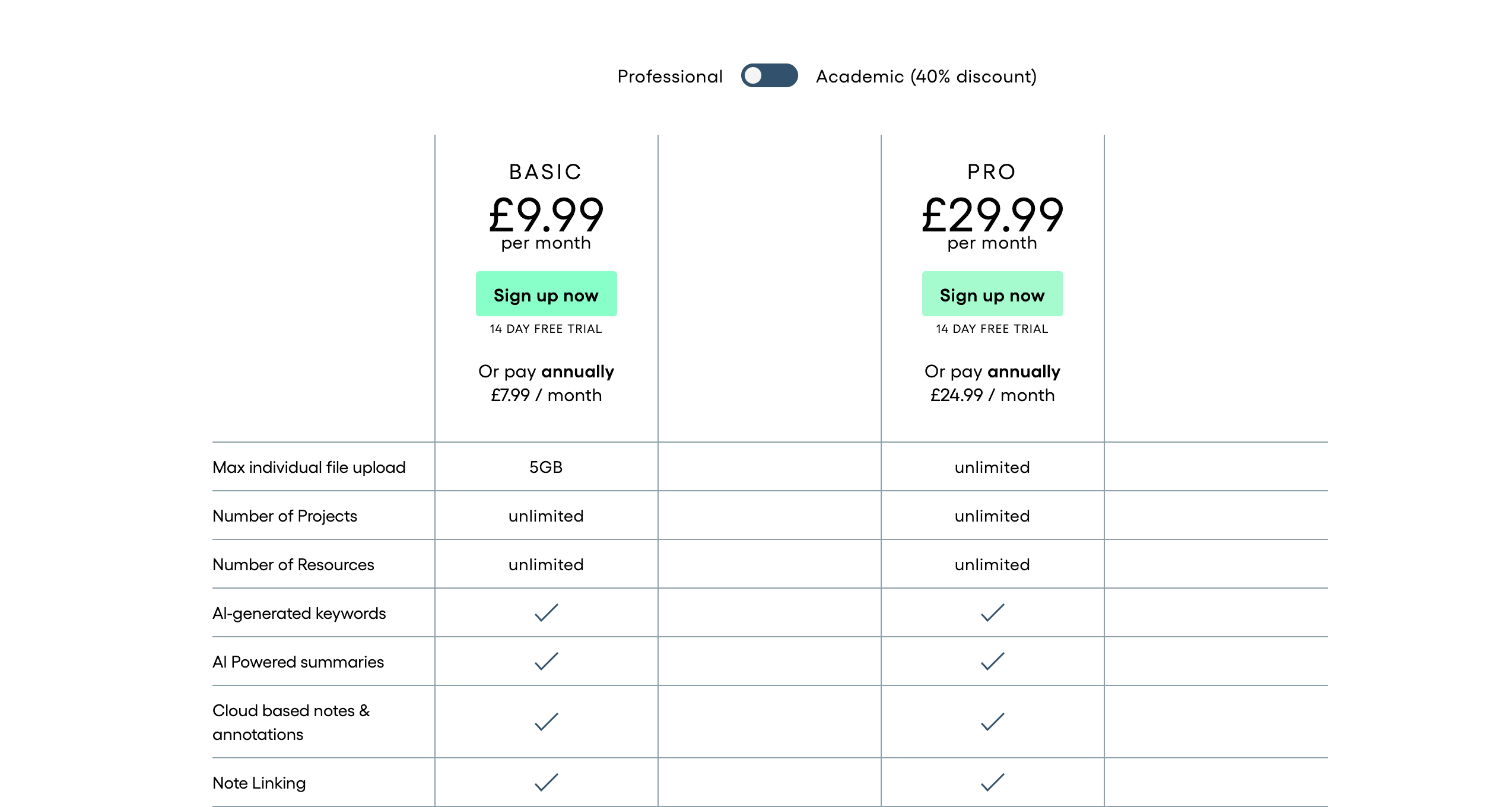
Pricing
Starter plan: $12.99/month.
Pro plan: $29.99/month — adds AI summarisation, note export, and advanced search.
Enterprise plan: Custom pricing for teams.
Best For
Students and content researchers handling many documents at once.
Comparison Table
Tool | Topic Exploration | Multi-Source Synthesis | Citation Support | Data Integration | Ideal For |
|---|---|---|---|---|---|
Powerdrill Bloom | ✅ | ✅ | ✅ | ✅ | Deep topic research & analysis |
Gemini Deep Research | ✅ | ✅ | ✅ | ✅ | Connected web research |
Perplexity Deep Search | ✅ | ✅ | ✅ | ❌ | Fact-checking & live sources |
Claude 3.5 (Opus) | ✅ | ✅ | ❌ | Partial | Long-form reasoning |
Elicit | ✅ | ✅ | ✅ | ❌ | Academic reviews |
Scite | ❌ | ✅ | ✅ | ❌ | Evidence validation |
Consensus | ✅ | Partial | ✅ | ❌ | Scientific summary |
Genei | ✅ | ✅ | ❌ | Partial | Document summaries |
Conclusion
ChatGPT Deep Research has redefined what AI can do beyond simple question-answering — but it’s just the beginning of a new research era. Platforms like Powerdrill Bloom, Gemini Deep Research, and Perplexity Deep Search now push those boundaries further, offering structured exploration, deeper analysis, and transparent evidence.
If you’re ready to go beyond surface-level summaries and unlock AI-driven topic understanding, Powerdrill Bloom is the best place to start — a research companion that not only answers your question but also helps you discover what questions to ask next.