डेटा तथ्य: SK Hynix के रिकॉर्ड मुनाफे के पीछे HBM बूम (2026 रिपोर्ट)
संक्षेप में — 5 आंकड़ों में SK Hynix का बदलाव
SK Hynix ने सेमीकंडक्टर उद्योग के इतिहास में सबसे आश्चर्यजनक वित्तीय बदलावों में से एक को अंजाम दिया है। AI कंप्यूट की अत्यधिक मांग के कारण, यहाँ कंपनी की नाटकीय वृद्धि को पांच आंकड़ों में दर्शाया गया है:
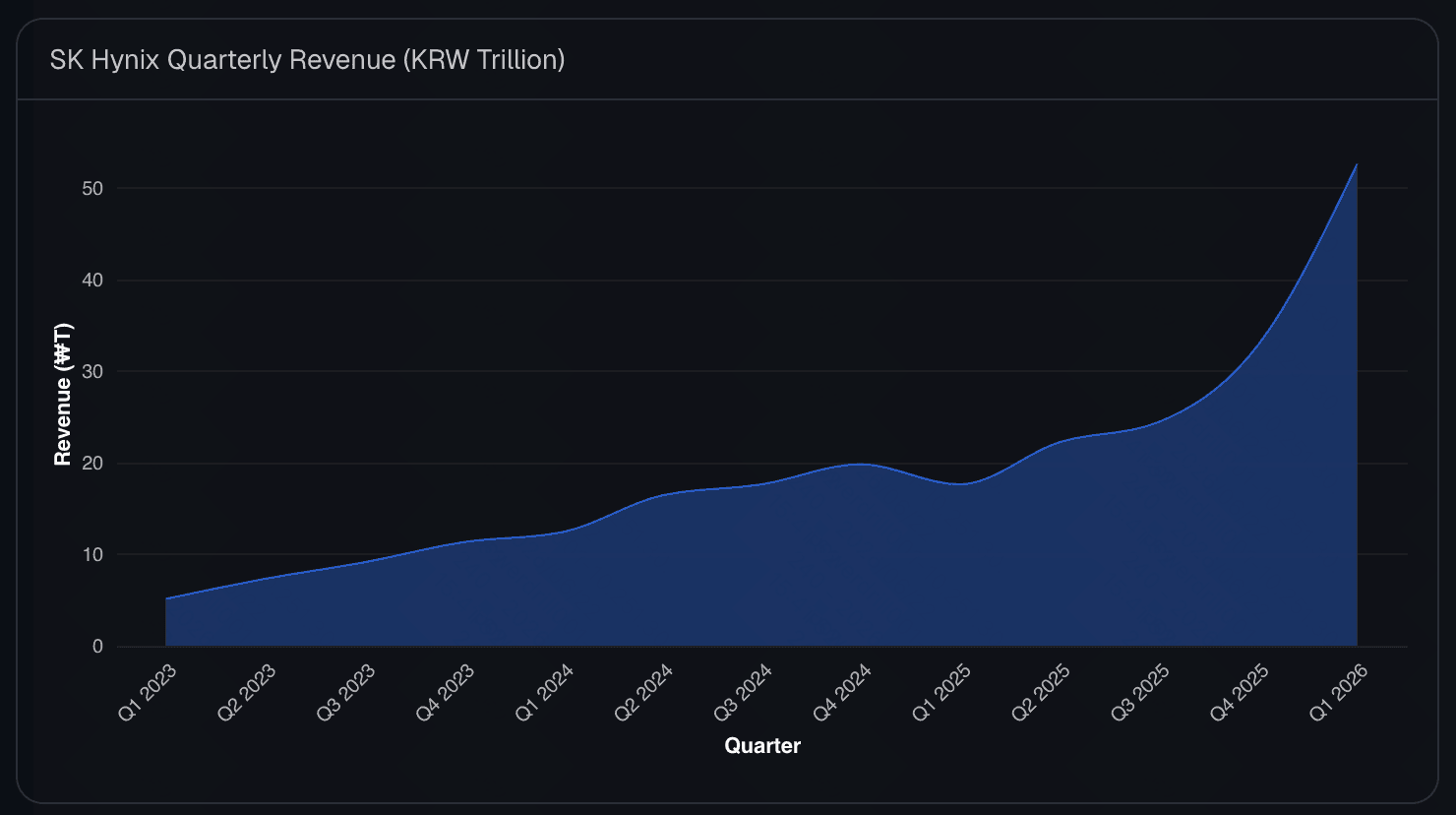
- +931%: Q1 2023 (5.1T KRW) से Q1 2026 (52.6T KRW) तक त्रैमासिक राजस्व में भारी उछाल।
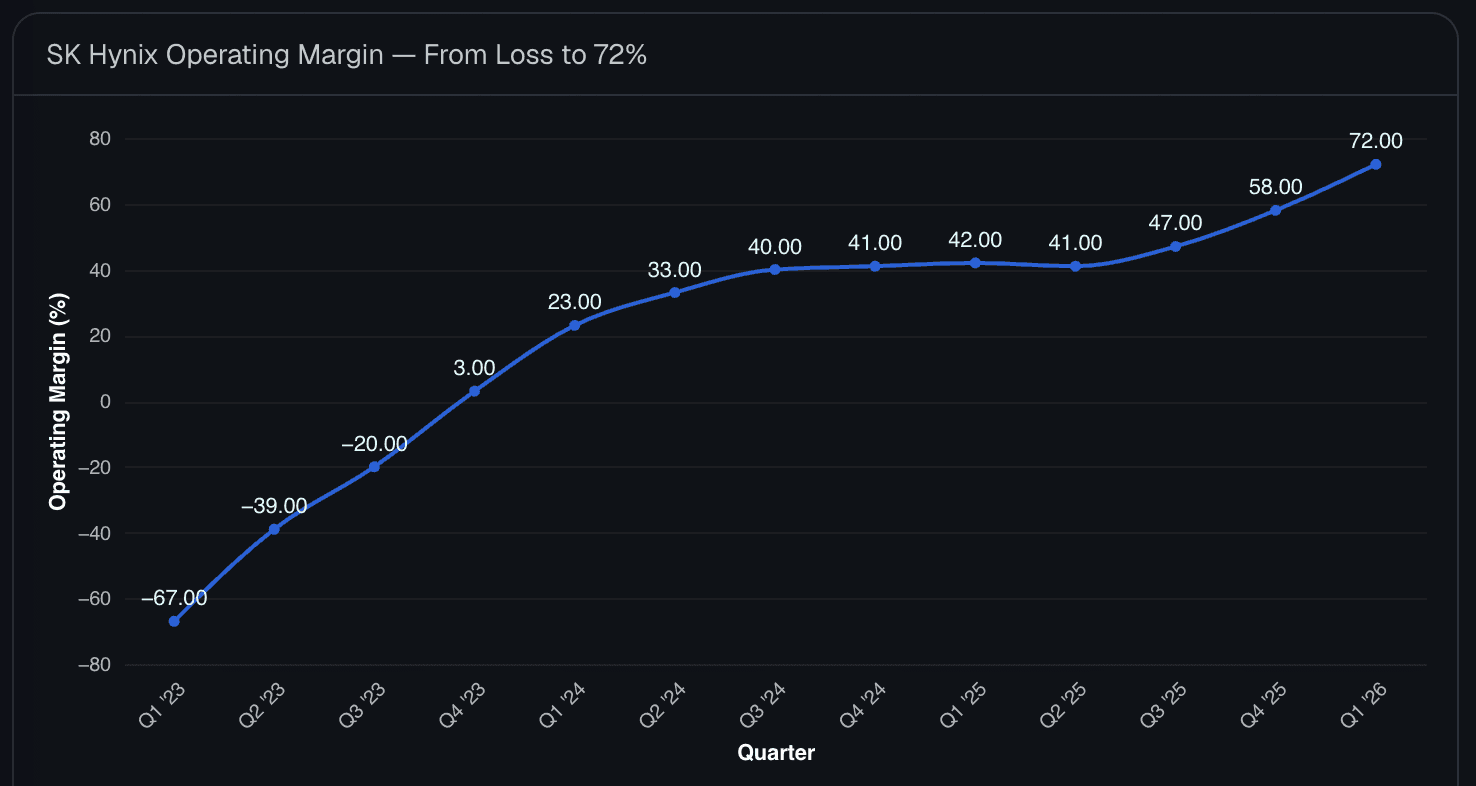
- 72%: Q1 2026 में SK Hynix का ऑपरेटिंग मार्जिन, जो ठीक तीन साल पहले के -67% के निचले स्तर से तेजी से सुधरा है।
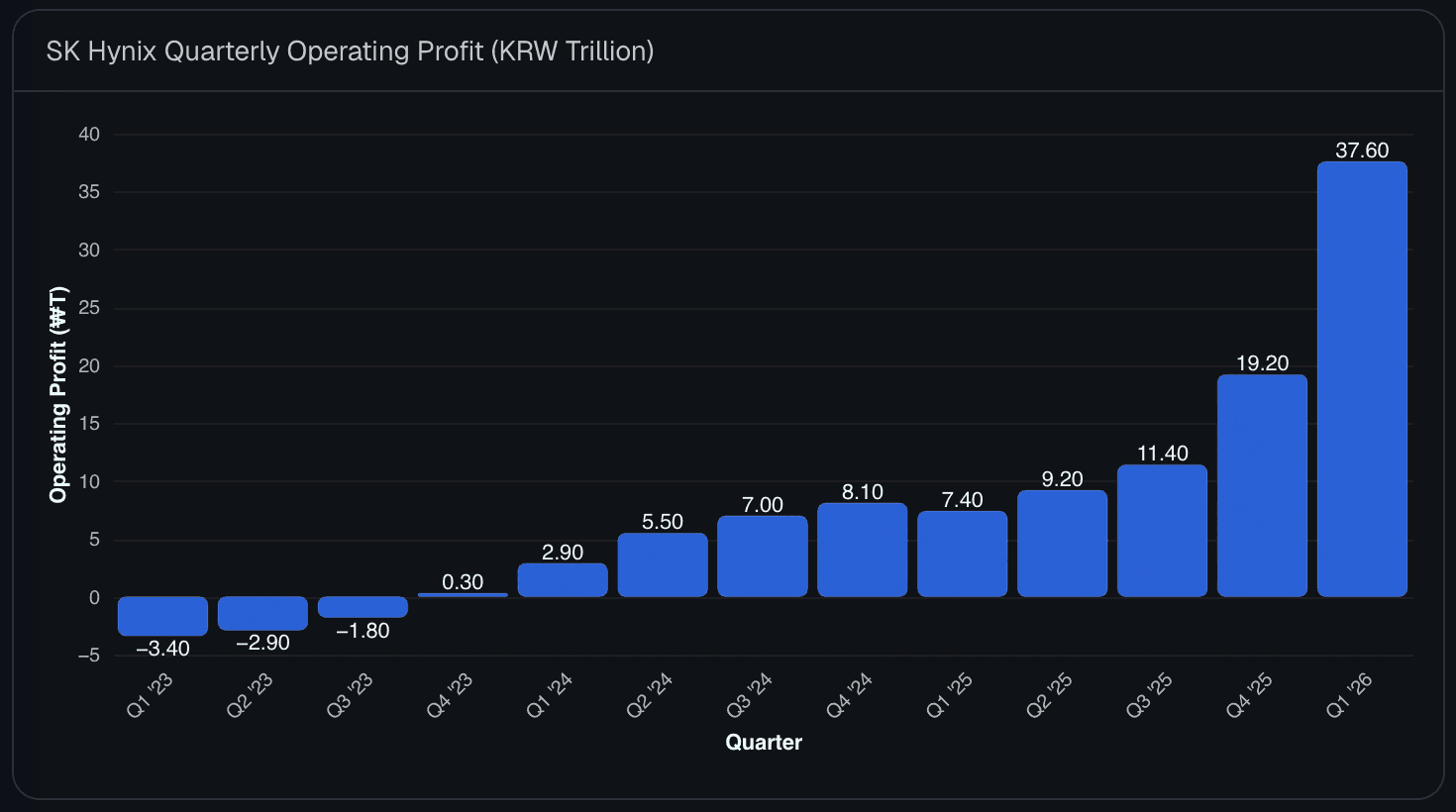
- 37.6 Trillion KRW: अकेले Q1 2026 में अर्जित किया गया ऑपरेटिंग प्रॉफिट—जो वर्ष 2024 के कंपनी के पूरे साल के ऑपरेटिंग प्रॉफिट से भी अधिक है।
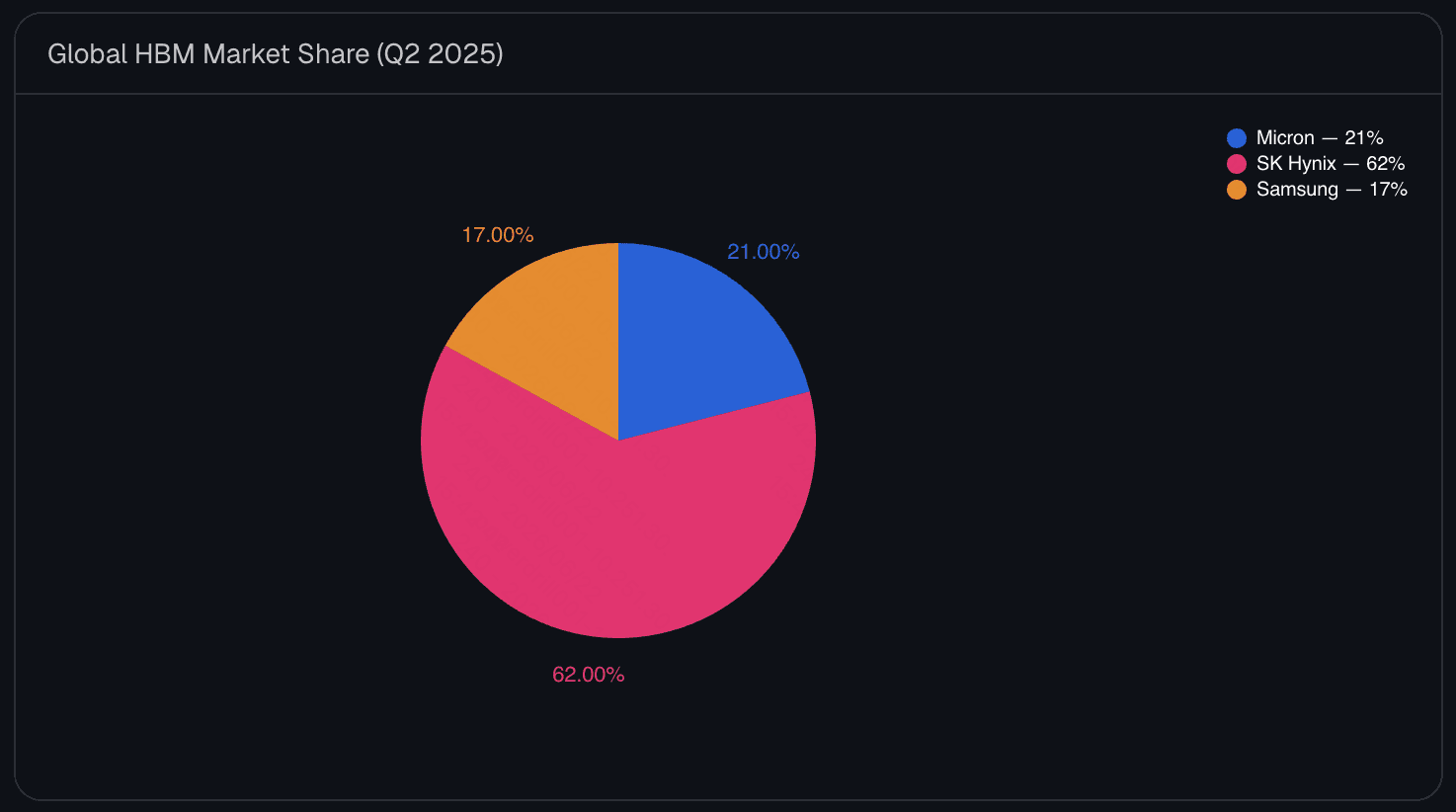
- 62%: Q2 2025 तक वैश्विक High Bandwidth Memory (HBM) बाजार में SK Hynix की मजबूत हिस्सेदारी।
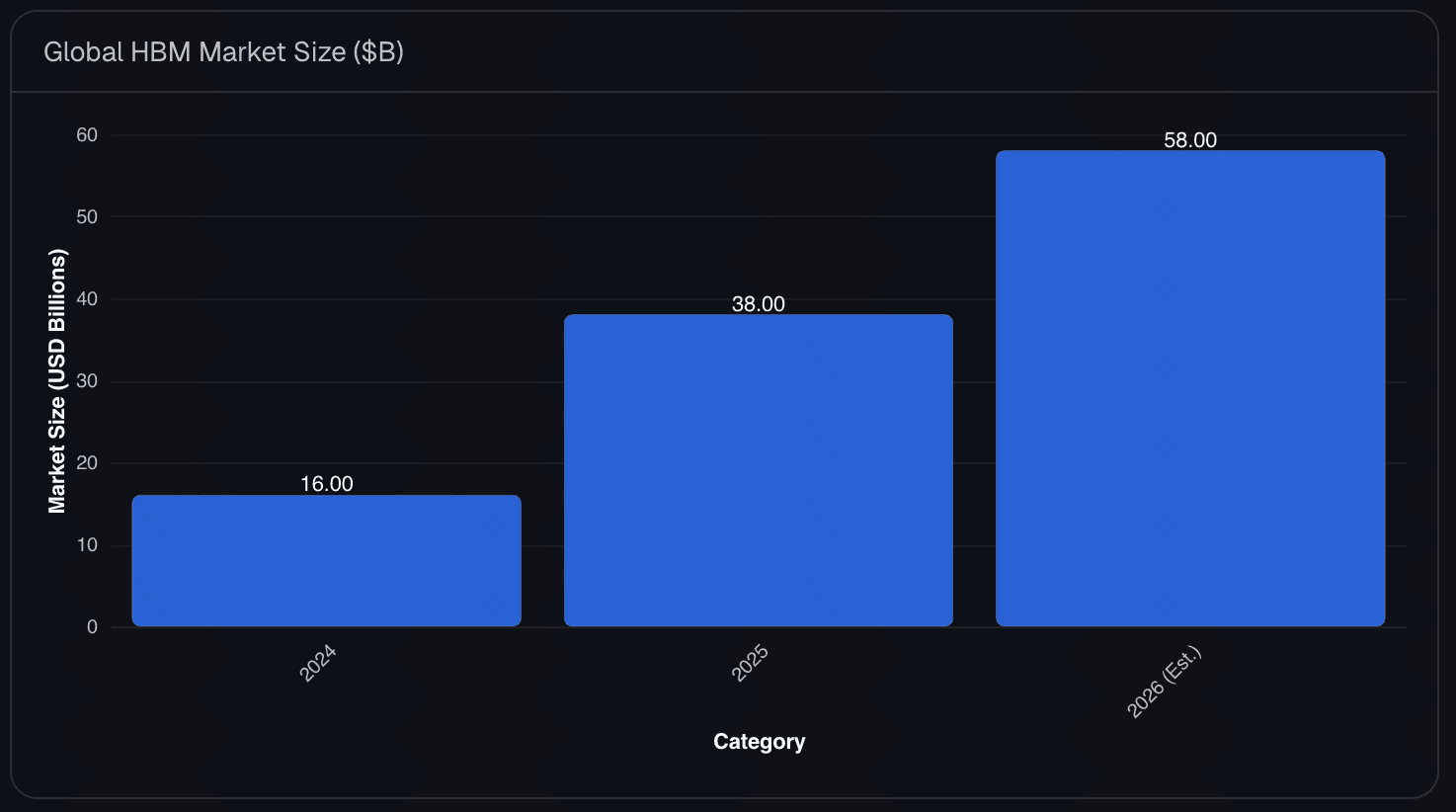
- $58 Billion: 2026 में अनुमानित वैश्विक HBM बाजार का आकार, जो 2028 तक $100 billion तक पहुंचने की राह पर है।
संक्षिप्त रूप: AI क्रांति केवल GPUs के बारे में नहीं है; यह उस मेमोरी के बारे में भी है जो उन्हें संचालित करती है। SK Hynix ने शुरुआत में ही दांव लगाया था, और वे दांव ऐतिहासिक पैमाने पर सफल हो रहे हैं।
थोड़ी पृष्ठभूमि
ठीक तीन साल पहले, SK Hynix भारी नुकसान में थी। Q1 2023 में, मेमोरी बाजार की मंदी के बीच, कंपनी ने 3.4 trillion KRW का भारी ऑपरेटिंग नुकसान दर्ज किया था। तब चर्चा अस्तित्व बचाने, पूंजीगत व्यय में कटौती करने और सेमीकंडक्टर उद्योग के इस कठिन दौर से बाहर निकलने के बारे में थी।
फिर, जनरेटिव AI का विस्फोट हुआ। Large Language Models (LLMs) को भारी पैरेलल प्रोसेसिंग पावर की आवश्यकता होती है, जिसकी आपूर्ति मुख्य रूप से NVIDIA GPUs द्वारा की जाती है। हालांकि, बेहद तेज मेमोरी के बिना ये एक्सेलेरेटर पूरी तरह से सीमित हो जाते हैं।
यहीं पर High Bandwidth Memory (HBM) की एंट्री हुई, जो एक विशेष 3D-स्टैक्ड DRAM तकनीक है। SK Hynix उन्नत HBM3 और HBM3E चिप्स का बड़े पैमाने पर उत्पादन करने वाली पहली कंपनी थी, जिसने NVIDIA के साथ एक प्रमुख आपूर्तिकर्ता के रूप में साझेदारी की। AI डेटा सेंटर के निर्माण की लहर ने केवल 36 महीनों में SK Hynix के भारी नुकसान को रिकॉर्ड-तोड़ मुनाफे में बदल दिया।
डेटासेट के बारे में
यह रिपोर्ट Q1 2023 से Q1 2026 तक SK Hynix के प्रदर्शन को कवर करने वाले सार्वजनिक रूप से रिपोर्ट किए गए वित्तीय डेटा पर आधारित है। डेटा बिंदुओं में त्रैमासिक और वार्षिक राजस्व, ऑपरेटिंग प्रॉफिट मार्जिन, HBM बाजार हिस्सेदारी और वैश्विक HBM बाजार के पूर्वानुमान शामिल हैं। स्रोतों में SK Hynix के आधिकारिक वित्तीय परिणाम, PR Newswire, BloombergNEF, Astute Group और CNBC की रिपोर्टिंग शामिल हैं। आंकड़े पढ़ने की सुविधा के लिए अनुमानित और राउंडेड हैं।
टूल के बारे में
हमने इस विश्लेषण के प्रत्येक चार्ट को Powerdrill Bloom के साथ बनाया है, जो एक AI-संचालित डेटा एजेंट है। वित्तीय स्प्रेडशीट डालने के बाद, Bloom ने तुरंत डेटा को व्यवस्थित किया, सबसे महत्वपूर्ण बदलावों की पहचान की, और आपके सामने दिखने वाले विजुअल्स तैयार किए। इसके लिए किसी SQL, Python या मैन्युअल फॉर्मेटिंग की आवश्यकता नहीं पड़ी। क्या आप भी इतनी तेजी से वित्तीय मेट्रिक्स को विजुअलाइज करना चाहते हैं? हमारे AI डेटा विजुअलाइजेशन प्लेटफॉर्म को एक्सप्लोर करें।
मुख्य बातें
- चिप इतिहास में सबसे तेज़ बदलाव। 2023 में -7.7T KRW के वार्षिक ऑपरेटिंग नुकसान से उबरकर, SK Hynix 2025 में 47.2T KRW के वार्षिक मुनाफे पर पहुंच गई, और Q1 2026 में अविश्वसनीय 37.6T KRW का एकल-तिमाही मुनाफा कमाया।
- HBM मुख्य इंजन है। कभी एक खास जरूरत का उत्पाद रहा HBM, Q2 2025 तक SK Hynix के कुल राजस्व का लगभग 77% हिस्सा बन गया।
- आपूर्ति मांग को पूरा नहीं कर पा रही है। SK Hynix की HBM क्षमता 2026 तक पूरी तरह से बिक चुकी है। ग्राहकों की मांग वर्तमान में अगले तीन वर्षों के लिए नियोजित उत्पादन से अधिक है।
- एक मजबूत ओलिगोपॉली। तीन कंपनियां वैश्विक HBM आपूर्ति के 100% हिस्से को नियंत्रित करती हैं, जिससे नए लोगों के लिए प्रवेश की बाधाएं लगभग असंभव हो जाती हैं।
- सुपरसाइकिल में तेजी। हम अभी शीर्ष पर नहीं हैं। HBM4 के बड़े पैमाने पर उत्पादन के साथ, M15X फैब जैसे विशाल नए क्लस्टर बनाने के लिए पूंजीगत व्यय 30T KRW को पार कर रहा है।
HBM बूम: पूरा डेटा विश्लेषण
2023 से 2026 तक राजस्व की स्थिति कैसी दिखती है?
त्रैमासिक राजस्व चार्ट अत्यधिक वृद्धि की तस्वीर दिखाता है। पूरे 2023 के दौरान राजस्व 5T और 11T KRW के बीच धीमा बना रहा। जैसे ही 2024 और 2025 में NVIDIA के H100 और H200 चिप्स की भारी मात्रा में शिपिंग शुरू हुई, SK Hynix के राजस्व में तेजी से उछाल आया।
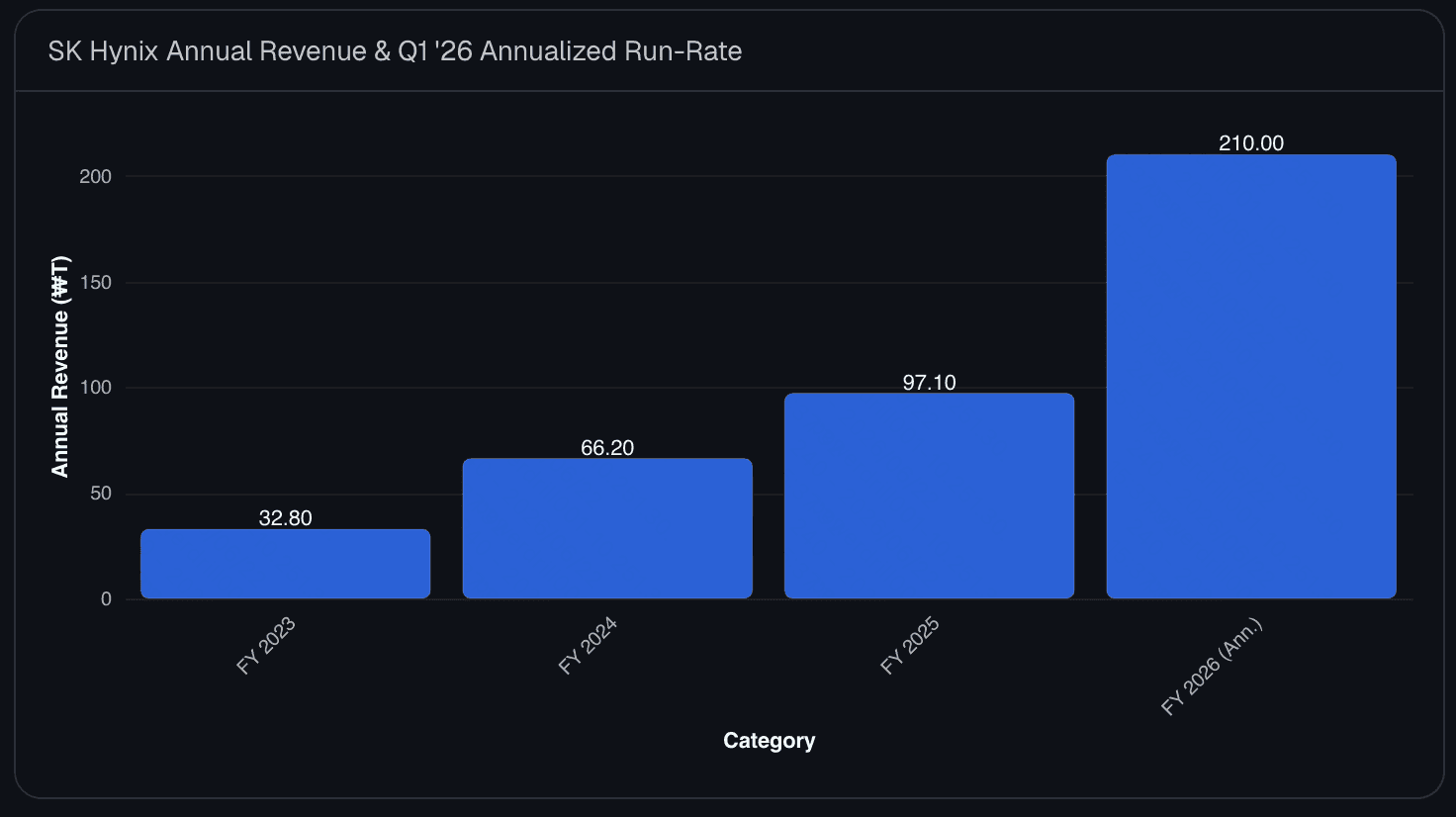
Q4 2025 तक, राजस्व 32.8T KRW तक पहुंच गया, और Q1 2026 में, यह उछलकर 52.6T KRW हो गया। इसे समझने के लिए, SK Hynix का FY 2025 का मुनाफा (47.2T KRW) उसके पूरे FY 2023 के राजस्व (32.8T KRW) से अधिक था।
HBM बाजार को कौन नियंत्रित करता है?
HBM बाजार एक कड़ा ओलिगोपॉली है, और SK Hynix इसका निर्विवाद राजा है। Q2 2025 तक, SK Hynix के पास वैश्विक बाजार हिस्सेदारी का भारी 62% हिस्सा था, जिसका मुख्य कारण HBM3E के बड़े पैमाने पर उत्पादन में इसका बेहतरीन प्रदर्शन और NVIDIA के साथ इसकी मजबूत साझेदारी है (जो SK Hynix की आपूर्ति का लगभग 90% हिस्सा है)।
Micron 21% के साथ दूसरे स्थान पर रहा, जिसे उसके 12-स्टैक HBM3E शिपमेंट से काफी बढ़ावा मिला। पारंपरिक रूप से मेमोरी क्षेत्र की दिग्गज कंपनी Samsung की हिस्सेदारी घटकर 17% रह गई, जिसका कारण NVIDIA के कड़े योग्यता परीक्षणों को पास करने में आई मुश्किलें थीं।
कुल एड्रेसेबल मार्केट कितना बड़ा हो रहा है?
वैश्विक HBM बाजार डॉट-कॉम बूम की याद दिलाने वाले एक सुपरसाइकिल का अनुभव कर रहा है। 2024 में लगभग $16 billion मूल्य का यह बाजार 2025 में 138% बढ़कर $38 billion तक पहुंच गया।
2026 में, इसके $58 billion तक पहुंचने का अनुमान है। जैसे-जैसे हाइपरस्केलर्स ट्रिलियन-डॉलर के AI डेटा सेंटर बनाना जारी रखेंगे, HBM बाजार के 2028 तक आश्चर्यजनक रूप से $100 billion तक पहुंचने का अनुमान है, जो 40% CAGR को दर्शाता है।
व्यवसायों और विश्लेषकों के लिए इसका क्या अर्थ है?
सेमीकंडक्टर विश्लेषकों और तकनीकी निवेशकों के लिए, डेटा एक बात स्पष्ट करता है: AI कंप्यूट मेमोरी बैंडविड्थ द्वारा काफी सीमित है। SK Hynix का 72% ऑपरेटिंग मार्जिन साबित करता है कि जिसके पास मेमोरी बैंडविड्थ की चाबी है, उसके पास मूल्य निर्धारण की अपार शक्ति है।
क्लाउड प्रदाताओं और AI स्टार्टअप्स के लिए, इसका मतलब है कि बुनियादी ढांचे की लागत अधिक बनी रहेगी, क्योंकि आपूर्तिकर्ताओं की क्षमता 2026 तक पूरी तरह से बिक चुकी है। प्रवेश की तकनीकी बाधाओं (3D स्टैकिंग, उन्नत पैकेजिंग, 18-36 महीने के पूंजीगत व्यय चक्र) का मतलब है कि यह तीन-खिलाड़ियों वाली ओलिगोपॉली बाहरी व्यवधानों से पूरी तरह सुरक्षित है।
हमने ये चार्ट कैसे बनाए (एक क्लिक में)
इस तरह की कमाई रिपोर्ट का विश्लेषण करने के लिए आपको वित्तीय विश्लेषकों की टीम की आवश्यकता नहीं है। यहाँ वह सटीक वर्कफ़्लो है जिसका हमने उपयोग किया:
- किसी स्किल, विषय से शुरुआत करें या अपना खुद का डेटा अपलोड करें। एक साधारण स्प्रेडशीट डालने के बजाय, हमने SK Hynix के वित्तीय बदलाव के डेटा को स्वचालित रूप से एकत्र और संसाधित करने के लिए Powerdrill Bloom की अंतर्निहित शोध क्षमता का लाभ उठाया।
- कैनवास को इसका विश्लेषण करने दें। Bloom ने स्वचालित रूप से आंकड़ों को व्यवस्थित किया, मुनाफे में आए बड़े बदलाव को पहचाना, और सबसे अच्छे विजुअलाइजेशन विकल्पों का सुझाव दिया।
- स्लाइड्स में एक्सपोर्ट करें। हमने केवल एक क्लिक के साथ विश्लेषण को प्रस्तुति के लिए तैयार चार्ट में बदल दिया।
कोई SQL नहीं। कोई Python नहीं। फॉर्मेटिंग की कोई झंझट नहीं। अपने खुद के वित्तीय डेटा में छिपी कहानियों को उजागर करना चाहते हैं? अभी मुफ्त में Powerdrill Bloom आजमाएं।
अक्सर पूछे जाने वाले प्रश्न
HBM क्या है?
High Bandwidth Memory (HBM) एक विशेष, वर्टिकल रूप से स्टैक्ड मेमोरी चिप है जो अविश्वसनीय रूप से तेज़ डेटा ट्रांसफर की अनुमति देती है। यह NVIDIA के GPUs जैसे AI एक्सेलेरेटर के लिए Large Language Models को प्रोसेस करने के लिए अत्यंत महत्वपूर्ण है।
AI बूम के दौरान SK Hynix के राजस्व में कितनी वृद्धि हुई?
त्रैमासिक राजस्व में आश्चर्यजनक रूप से 931% की वृद्धि हुई, जो 2023 की पहली तिमाही में 5.1 trillion KRW से बढ़कर Q1 2026 में 52.6 trillion KRW हो गया।
मुख्य HBM आपूर्तिकर्ता कौन हैं?
वैश्विक स्तर पर केवल तीन कंपनियां HBM का उत्पादन करती हैं: SK Hynix (62% बाजार हिस्सेदारी), Micron (21%), और Samsung (17%), जो एक कड़े नियंत्रित ओलिगोपॉली का निर्माण करती हैं।
क्या HBM बाजार के बढ़ते रहने की उम्मीद है?
हाँ। 2025 में इस बाजार का मूल्य $38 billion था और 2026 में इसके $58 billion तक पहुंचने का अनुमान है, जबकि अनुमानों के अनुसार 2028 तक यह $100 billion का बाजार बन जाएगा।
क्या मैं खुद इस तरह के वित्तीय डेटा का विश्लेषण कर सकता हूँ?
बिल्कुल। आप कमाई के डेटा की कोई भी CSV या Excel फ़ाइल Powerdrill Bloom में अपलोड कर सकते हैं। AI डेटा को व्यवस्थित करेगा और बिना किसी कोडिंग के तुरंत पेशेवर चार्ट तैयार कर देगा।
निष्कर्ष
SK Hynix के रिकॉर्ड-तोड़ मुनाफे के पीछे के आंकड़े AI क्रांति की वास्तविक कहानी बयां करते हैं। यह एक ऐसी कंपनी की कहानी है जो सही समय पर सही जगह पर थी, जिसने बाजार के एक बड़े संकट को 72% ऑपरेटिंग मार्जिन में बदल दिया। 2026 तक HBM क्षमता पूरी तरह बिक जाने और बाजार के आकार के दोगुने होने के साथ, मेमोरी का यह शानदार दौर अभी खत्म होने वाला नहीं है।
जानना चाहते हैं कि आपकी कंपनी के वित्तीय डेटा में क्या रुझान छिपे हैं? अपनी स्प्रेडशीट Powerdrill Bloom पर अपलोड करें और AI को आपके लिए चार्ट बनाने दें।