2026 में A/B टेस्ट एनालिसिस के लिए 10 AI टूल्स (फ्री और पेड)
परिचय
जैसे-जैसे डिजिटल परिदृश्य तेजी से प्रतिस्पर्धी होता जा रहा है, व्यवसाय यूजर ग्रोथ को बढ़ाने के लिए statistical hypothesis testing और Bayesian inference जैसे मजबूत अनुभवजन्य तरीकों पर बहुत अधिक भरोसा करते हैं।
हालांकि, प्रयोगों को सेटअप करना केवल आधी लड़ाई है। परिणामों का विश्लेषण करना, वेरिएबल्स को अलग करना और निष्कर्षों को प्रस्तुत करने में अक्सर घंटों का मैन्युअल डेटा क्रंचिंग समय लगता है। यहीं पर आर्टिफिशियल इंटेलिजेंस खेल को बदल देता है। भारी काम को स्वचालित करके, AI-संचालित प्लेटफॉर्म यह बदल रहे हैं कि कैसे मार्केटर्स, प्रोडक्ट मैनेजर्स और डेटा साइंटिस्ट प्रयोग के परिणामों की व्याख्या करते हैं।
आइए A/B टेस्ट विश्लेषण के लिए शीर्ष 10 AI टूल्स पर नज़र डालें जो आपकी कन्वर्जन दरों को आसमान पर ले जा सकते हैं।
AI-संचालित A/B टेस्ट विश्लेषण क्या है?
AI-संचालित A/B टेस्ट विश्लेषण मानव गणना की तुलना में प्रयोग डेटा का तेजी से और अधिक सटीक मूल्यांकन करने के लिए मशीन लर्निंग और नेचुरल लैंग्वेज प्रोसेसिंग का उपयोग करता है।
- स्वचालित अंतर्दृष्टि (Automated Insights): AI तुरंत रॉ डेटा को पढ़ता है और मैन्युअल सांख्यिकीय सूत्रों की आवश्यकता के बिना जीतने वाले वेरिएशन्स को हाइलाइट करता है।
- पूर्वानुमानित विश्लेषण (Predictive Analytics): यह आपके समग्र राजस्व या रिटेंशन पर जीतने वाले वेरिएंट के दीर्घकालिक प्रभाव का पूर्वानुमान लगाता है।
- गहन विभाजन (Deep Segmentation): AI स्वचालित रूप से छिपे हुए माइक्रो-सेगमेंट (जैसे, "जापान में मोबाइल उपयोगकर्ता") को उजागर करता है जिन्होंने किसी वेरिएशन पर असाधारण रूप से अच्छी प्रतिक्रिया दी।
- सरल-भाषा रिपोर्टिंग: आधुनिक AI टूल्स जटिल सांख्यिकीय शब्दावली को समझने में आसान सारांशों और चार्टों में अनुवादित करते हैं।
त्वरित तुलना तालिका
| टूल | इसके लिए सर्वश्रेष्ठ | शानदार AI विशेषता | मूल्य निर्धारण मॉडल |
|---|---|---|---|
| Powerdrill Bloom | एंड-टू-एंड डेटा से प्रस्तुति | रॉ डेटा से स्लाइड डेक तक वन-क्लिक समाधान | $13.27/माह |
| Pendo | उत्पाद अनुभव और अपनाना (Adoption) | AI-संचालित उपयोगकर्ता प्रतिक्रिया विश्लेषण | कस्टम |
| Amplitude | गहन उत्पाद विश्लेषण | AI विसंगति का पता लगाना (Anomaly detection) | $49/माह |
| Optimizely | एंटरप्राइज प्रयोग | AI भविष्य कहने वाली ऑडियंस | कस्टम |
| VWO | कन्वर्जन रेट ऑप्टिमाइज़ेशन | AI कॉपी जनरेशन और अंतर्दृष्टि | कस्टम |
| Statsig | डेवलपर-फर्स्ट टेस्टिंग | स्वचालित प्रयोग रीडआउट | $150/माह |
| Adobe Analytics | एंटरप्राइज वेब विश्लेषण | Sensei AI प्रेडिक्टिव मॉडलिंग | कस्टम |
| PostHog | ओपन-सोर्स उत्पाद OS | LLM-आधारित क्वेरी निर्माण | पे-एज-यू-गो |
| GrowthBook | ओपन-सोर्स फीचर फ्लैगिंग | स्वचालित Bayesian विश्लेषण | $40/सीट/माह |
| Heap | डिजिटल अनुभव अंतर्दृष्टि | AI-संचालित घर्षण (Friction) का पता लगाना | कस्टम |
1. Powerdrill Bloom
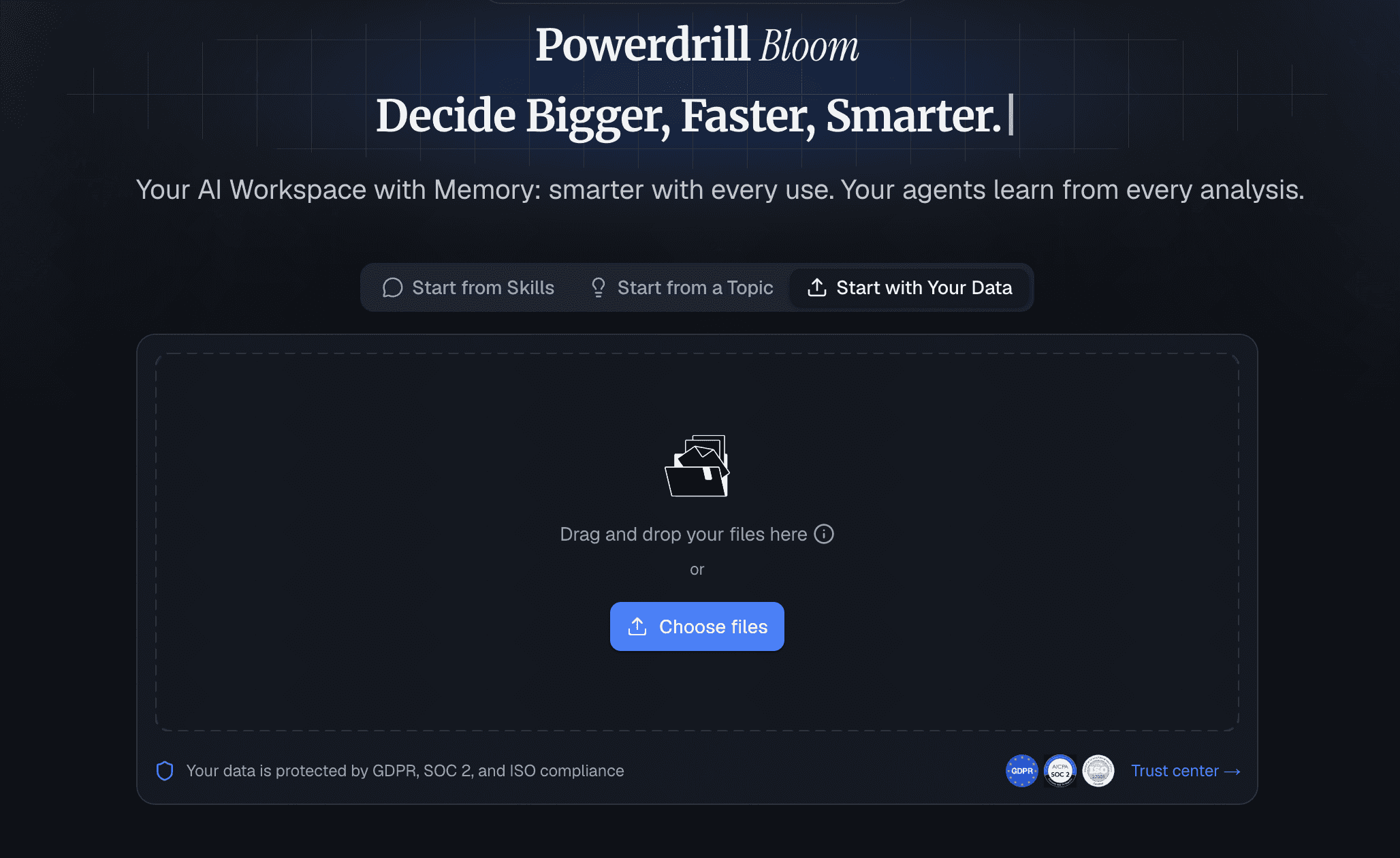
Powerdrill Bloom एक AI-संचालित वर्कस्पेस है जिसे व्यक्तिगत पेशेवरों और सहयोगी टीमों दोनों के लिए डिज़ाइन किया गया है। यह अनुसंधान, विश्लेषण, स्वचालन और निष्पादन क्षमताओं को एक ही मंच में जोड़ता है, जिससे उपयोगकर्ता एक ही इंटरफ़ेस से डेटा, दस्तावेज़ों और कनेक्टेड MCP टूल के साथ काम कर सकते हैं। परसिस्टेंट वर्कस्पेस (Persistent Workspaces) फाइलों और प्रोजेक्ट संदर्भ को सत्रों के दौरान उपलब्ध रखते हैं, जिससे टीमों को संरेखित और उत्पादक बने रहने में मदद मिलती है।
A/B टेस्टिंग के लिए इसकी सबसे बड़ी ताकत बिना SQL, कोडिंग या सांख्यिकीय विशेषज्ञता के, मिनटों में रॉ प्रयोगात्मक डेटा को स्पष्ट अंतर्दृष्टि, गतिशील चार्ट और प्रस्तुति के लिए तैयार डेक में बदलने की क्षमता है।
मुख्य विशेषताएं
- रॉ A/B टेस्ट CSV/Excel फाइलें अपलोड करें और तुरंत सांख्यिकीय विश्लेषण प्राप्त करें।
- विभिन्न स्रोतों से प्रयोग डेटा खींचने के लिए विविध MCP टूल से जुड़ता है।
- परीक्षण परिणामों का सारांश प्रस्तुत करने वाले पेशेवर प्रेजेंटेशन डेक का वन-क्लिक जनरेशन।
- परसिस्टेंट वर्कस्पेस जो सत्रों के दौरान आपकी ऐतिहासिक A/B टेस्ट फाइलों को याद रखते हैं।
पक्ष (Pros)
- बुनियादी A/B परीक्षणों की व्याख्या करने के लिए डेटा वैज्ञानिकों की आवश्यकता को समाप्त करता है।
- चार्ट और स्लाइड डेक के निर्माण को स्वचालित करके घंटों बचाता है।
- अत्यधिक लचीला, केवल सॉफ्टवेयर के बजाय एक बुद्धिमान टीम सदस्य के रूप में कार्य करता है।
विपक्ष (Cons)
- इसके लिए आपको अपना डेटा अपलोड या कनेक्ट करना होगा (यह एक विश्लेषण एजेंट है, न कि टेस्ट-रनिंग स्क्रिप्ट)।
- यदि आपको केवल एक साधारण कैलकुलेटर की आवश्यकता है, तो यह अत्यधिक शक्तिशाली लग सकता है।
मूल्य निर्धारण
- मजबूत सुविधाओं के साथ मुफ्त टियर उपलब्ध है; सशुल्क प्लान $13.27/माह से शुरू होते हैं।
2. Pendo
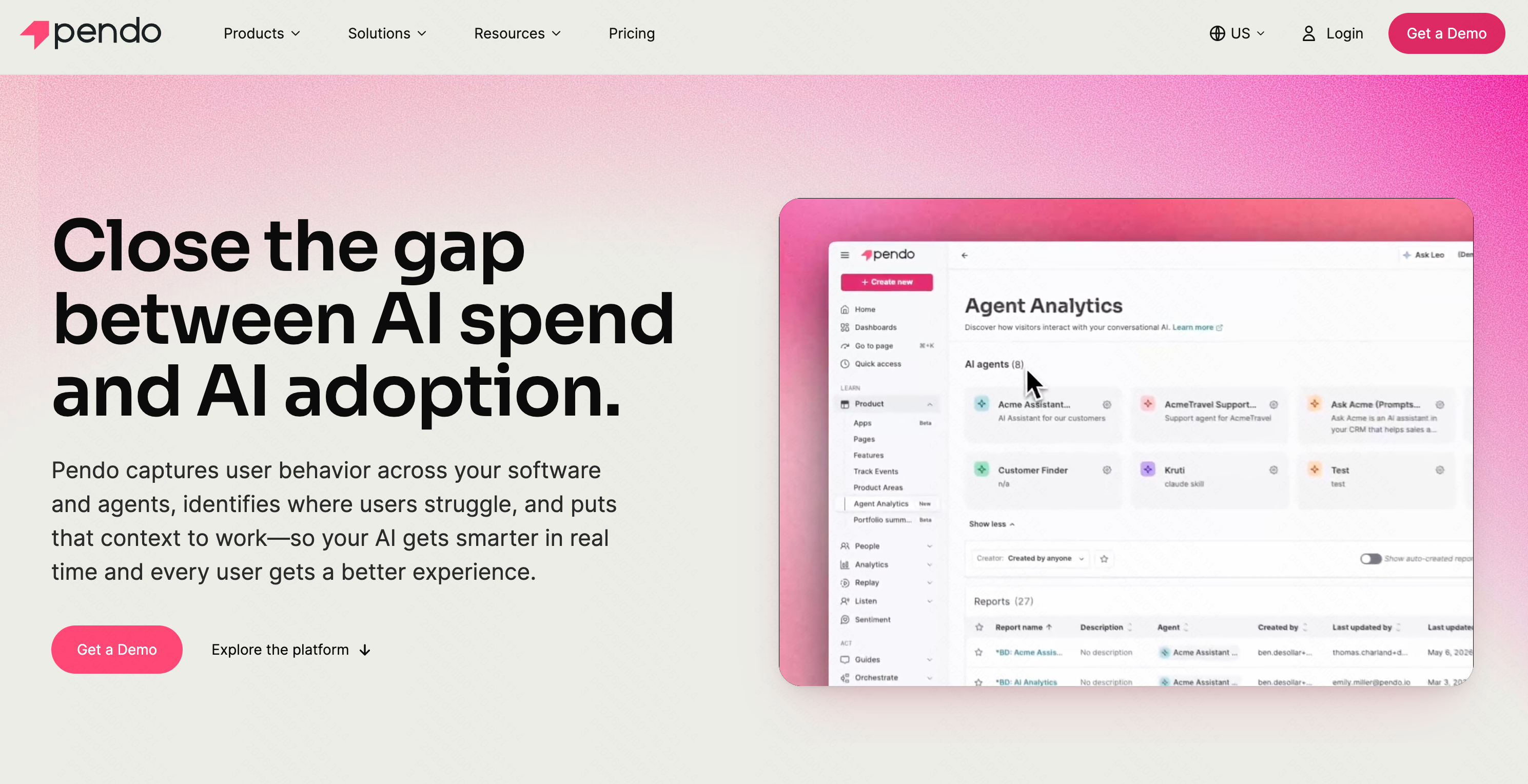
Pendo एक उत्पाद अनुभव मंच है जो इन-ऐप मैसेजिंग के साथ एनालिटिक्स को जोड़ता है। यह उत्पाद टीमों को यह समझने में मदद करने के लिए AI का उपयोग करता है कि कौन सी विशेषताएं जुड़ाव बढ़ाती हैं और उत्पाद अपनाने के लिए A/B टेस्टिंग विश्लेषण को सहजता से एकीकृत करती हैं।
मुख्य विशेषताएं
- AI-संचालित गुणात्मक प्रतिक्रिया सारांश।
- इन-ऐप व्यवहार ट्रैकिंग के लिए विजुअल ओवरले।
- स्वचालित कोहोर्ट तुलना।
पक्ष (Pros)
- उपयोगकर्ता यात्रा (User journeys) के विश्लेषण के लिए उत्कृष्ट।
- एनालिटिक्स और यूजर ऑनबोर्डिंग का मजबूत संयोजन।
विपक्ष (Cons)
- नए उपयोगकर्ताओं के लिए सीखने की कठिन प्रक्रिया।
- कार्यान्वयन के लिए इंजीनियरिंग संसाधनों की आवश्यकता होती है।
मूल्य निर्धारण
- मुफ्त योजना उपलब्ध है; सशुल्क योजनाओं के लिए कस्टम कोटेशन की आवश्यकता होती है।
3. Amplitude
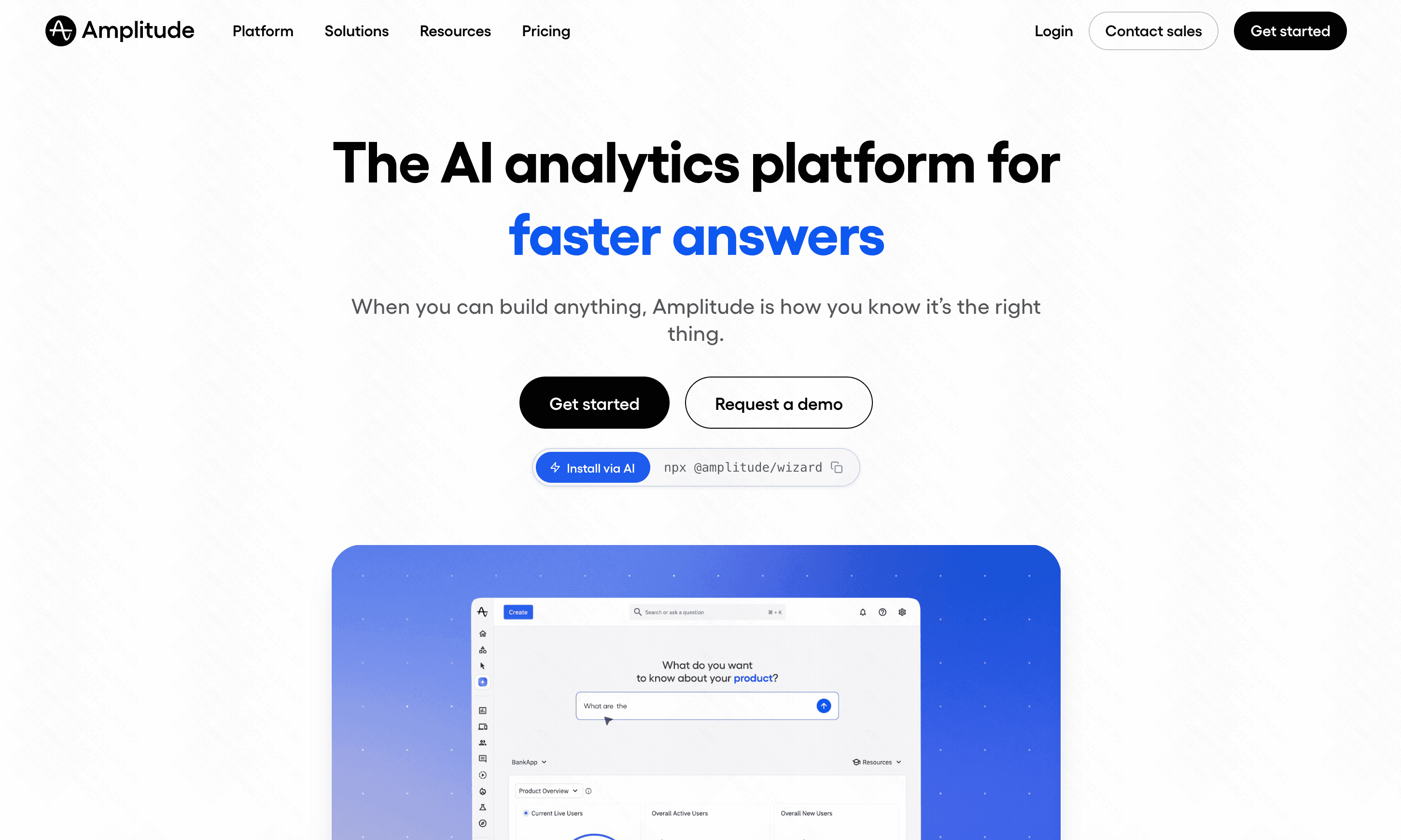
Amplitude उत्पाद विश्लेषण में एक पावरहाउस है। इसकी AI क्षमताएं विसंगति का पता लगाने (Anomaly detection) और भविष्य कहने वाले विश्लेषण पर ध्यान केंद्रित करती हैं, जिससे टीमों को A/B टेस्ट परिणामों के पीछे के "क्यों" को समझने में मदद मिलती है।
मुख्य विशेषताएं
- Ask Amplitude (AI-सहायता प्राप्त क्वेरी)।
- भविष्य कहने वाला कोहोर्ट निर्माण।
- परीक्षण परिणामों में स्वचालित विसंगति का पता लगाना।
पक्ष (Pros)
- गहन, सूक्ष्म इवेंट-स्तरीय विश्लेषण।
- एंटरप्राइज उत्पाद टीमों द्वारा अत्यधिक विश्वसनीय।
विपक्ष (Cons)
- सरल मार्केटिंग परीक्षणों के लिए अत्यधिक जटिल हो सकता है।
- प्रीमियम सुविधाएं काफी महंगी हैं।
मूल्य निर्धारण
- उदार मुफ्त स्टार्टर योजना; Growth और Enterprise योजनाएं $49/माह से शुरू होती हैं।
4. Optimizely
Optimizely एक एंटरप्राइज-ग्रेड डिजिटल अनुभव मंच है। यह अनुमान लगाने के लिए AI को एकीकृत करता है कि कौन सी सामग्री या फीचर भिन्नताएं विशिष्ट ऑडियंस सेगमेंट के लिए सबसे अच्छा प्रदर्शन करेंगी।
मुख्य विशेषताएं
- AI-संचालित वैयक्तिकरण और ऑडियंस लक्ष्यीकरण।
- वास्तविक समय की वैधता के लिए Stats Engine।
- उन्नत बहुभिन्नरूपी (Multivariate) परीक्षण क्षमताएं।
पक्ष (Pros)
- उद्योग-अग्रणी सांख्यिकीय कठोरता।
- बड़े पैमाने पर एंटरप्राइज परिनियोजन के लिए असाधारण।
विपक्ष (Cons)
- प्रवेश की उच्च लागत।
- छोटे व्यवसायों या एकल संस्थापकों के लिए उपयुक्त नहीं है।
मूल्य निर्धारण
- केवल कस्टम एंटरप्राइज मूल्य निर्धारण।
5. VWO
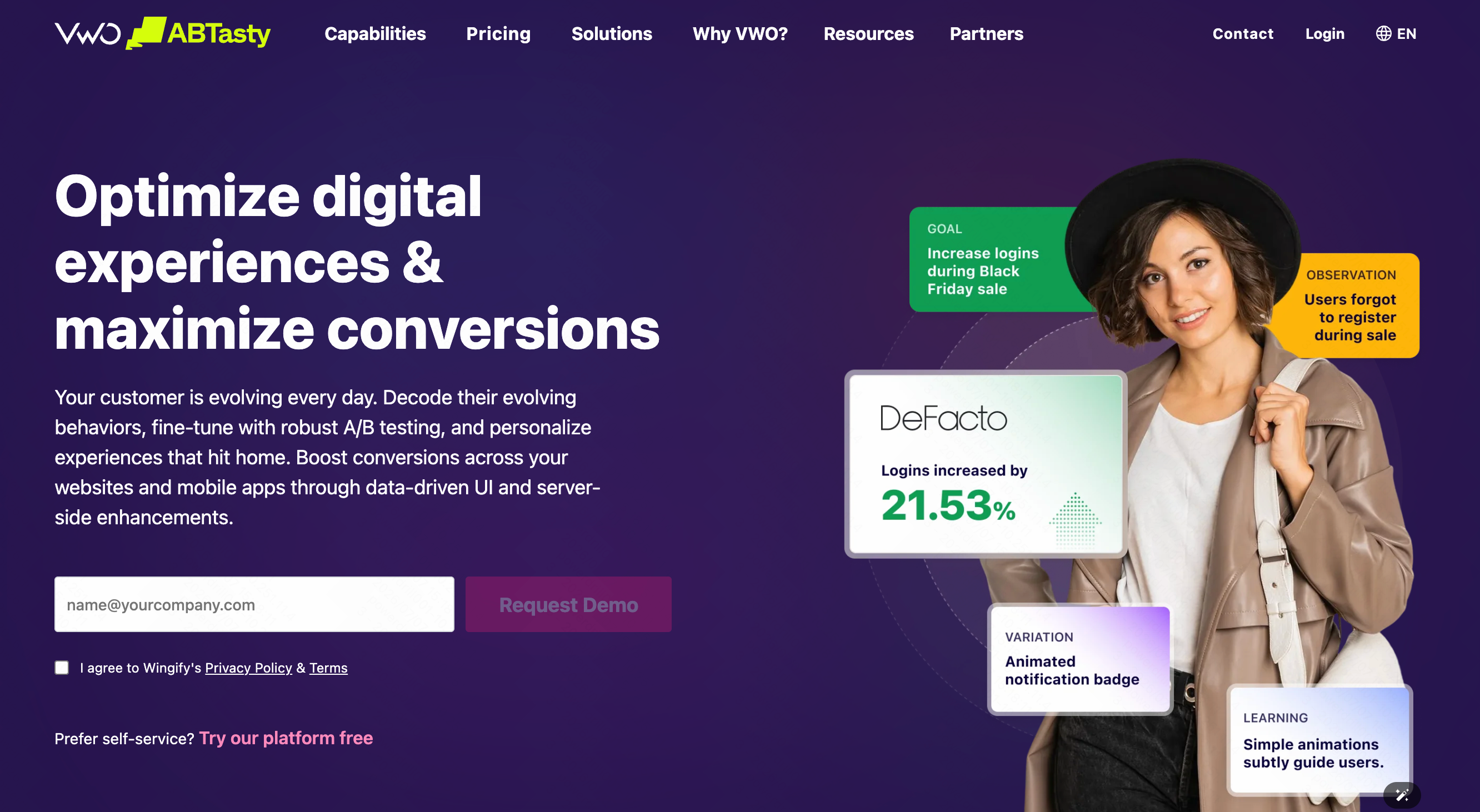
VWO एक विशेष कन्वर्जन रेट ऑप्टिमाइज़ेशन (CRO) प्लेटफॉर्म है। यह परीक्षण उपकरणों का एक सूट प्रदान करता है और परीक्षण विचारों को उत्पन्न करने, कॉपी लिखने और जीतने वाले विविधताओं की व्याख्या करने के लिए AI का उपयोग करता है।
मुख्य विशेषताएं
- परीक्षण वेरिएंट उत्पन्न करने के लिए AI कॉपीराइटर।
- SmartStats Bayesian विश्लेषण इंजन।
- एकीकृत हीटमैप और सत्र रिकॉर्डिंग।
पक्ष (Pros)
- CRO पेशेवरों के लिए ऑल-इन-वन सूट।
- बहुत उपयोगकर्ता के अनुकूल विजुअल एडिटर।
विपक्ष (Cons)
- यदि सही ढंग से लागू नहीं किया गया तो साइट की गति धीमी हो सकती है।
- समर्पित BI टूल की तुलना में डेटा विज़ुअलाइज़ेशन कम अनुकूलन योग्य है।
मूल्य निर्धारण
- मुफ्त टियर उपलब्ध है; सशुल्क योजनाएं ट्रैक किए गए उपयोगकर्ताओं के आधार पर स्केल की जाती हैं।
6. Statsig
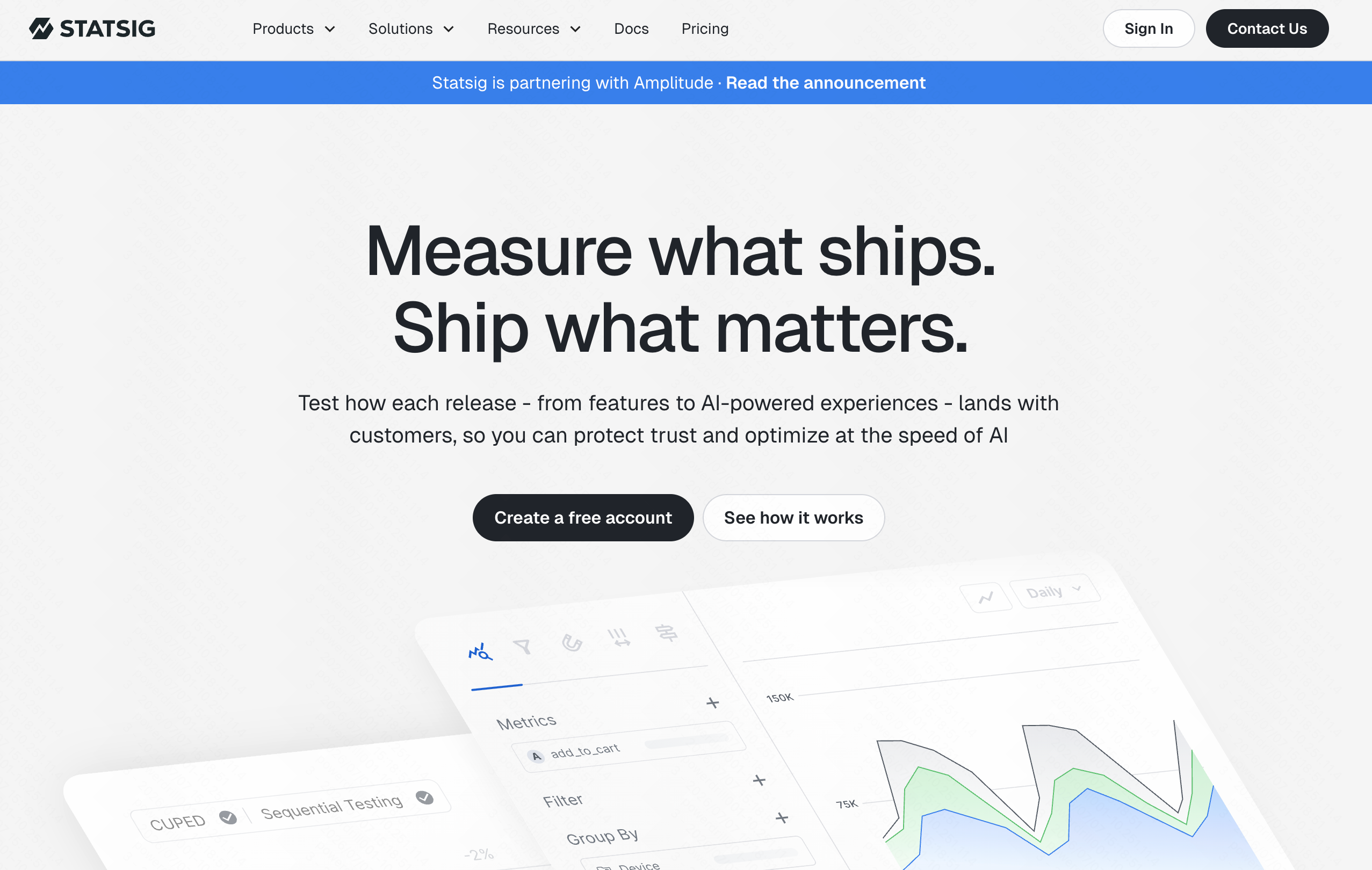
डेवलपर्स के लिए निर्मित, Statsig स्वचालित A/B टेस्टिंग के साथ फीचर फ्लैगिंग को सहजता से जोड़ता है। यह स्वचालित रूप से आपके मुख्य मेट्रिक्स पर प्रत्येक नए फीचर के प्रभाव की गणना करता है।
मुख्य विशेषताएं
- स्वचालित प्रयोग रीडआउट।
- आउट-ऑफ-द-बॉक्स मेट्रिक प्रभाव विश्लेषण।
- डेवलपर-अनुकूल SDKs।
पक्ष (Pros)
- इंजीनियरिंग और डेटा टीमों के बीच की खाई को पाटता है।
- परीक्षण प्रदर्शन की वास्तविक समय की निगरानी।
विपक्ष (Cons)
- UI अत्यधिक तकनीकी है और विपणक के लिए डरावना हो सकता है।
- प्रत्येक इवेंट के लिए डेवलपर सेटअप की आवश्यकता होती है।
मूल्य निर्धारण
- 500M इवेंट/माह तक मुफ्त; प्रो प्लान उपयोग-आधारित दरों पर शुरू होते हैं।
7. Adobe Analytics
एनालिटिक्स क्षेत्र में एक दिग्गज, Adobe Analytics गहन भविष्य कहने वाली अंतर्दृष्टि और A/B परीक्षण प्रदर्शनों के विस्तृत विवरण प्रदान करने के लिए Adobe Sensei (इसके AI ढांचे) का उपयोग करता है।
मुख्य विशेषताएं
- Adobe Sensei प्रेडिक्टिव मॉडलिंग।
- एल्गोरिथम क्रॉस-चैनल एट्रिब्यूशन।
- Adobe Target के साथ गहरा एकीकरण।
पक्ष (Pros)
- जटिल, बहु-चैनल एंटरप्राइज डेटा के लिए बेजोड़ क्षमता।
- अत्यधिक अनुकूलन योग्य डैशबोर्ड।
विपक्ष (Cons)
- अत्यधिक महंगा।
- प्रभावी ढंग से उपयोग करने के लिए विशेष प्रशिक्षण की आवश्यकता होती है।
मूल्य निर्धारण
- केवल कस्टम एंटरप्राइज मूल्य निर्धारण।
8. PostHog
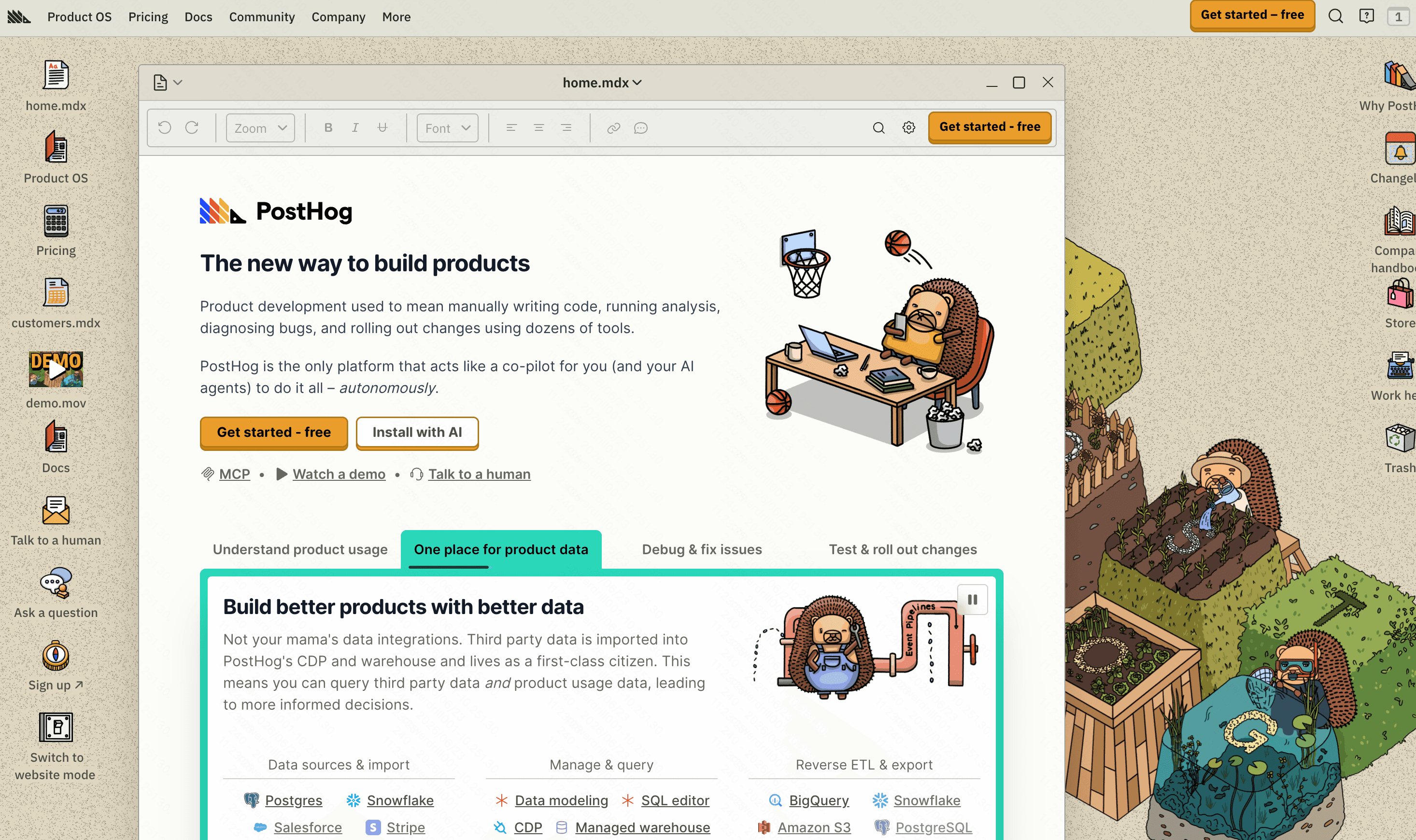
PostHog एक ओपन-सोर्स उत्पाद ऑपरेटिंग सिस्टम है जिसमें एनालिटिक्स, फीचर फ्लैग और A/B टेस्टिंग शामिल हैं। यह उपयोगकर्ताओं को प्राकृतिक भाषा का उपयोग करके डेटा क्वेरी करने में मदद करने के लिए LLMs को एकीकृत करता है।
मुख्य विशेषताएं
- AI-सहायता प्राप्त SQL क्वेरी निर्माण।
- एकीकृत सत्र रीप्ले और फीचर फ्लैग।
- ओपन-सोर्स सेल्फ-होस्टिंग विकल्प।
पक्ष (Pros)
- इंजीनियरिंग-भारी स्टार्टअप्स के लिए बढ़िया।
- अत्यधिक पारदर्शी और अनुकूलन योग्य।
विपक्ष (Cons)
- सेल्फ-होस्टिंग के लिए रखरखाव की आवश्यकता होती है।
- रिपोर्टिंग UI कार्यात्मक है लेकिन इसमें प्रस्तुति की चमक की कमी है।
मूल्य निर्धारण
- उदार सीमाओं के साथ मुफ्त टियर; उसके बाद पे-एज-यू-गो।
9. GrowthBook
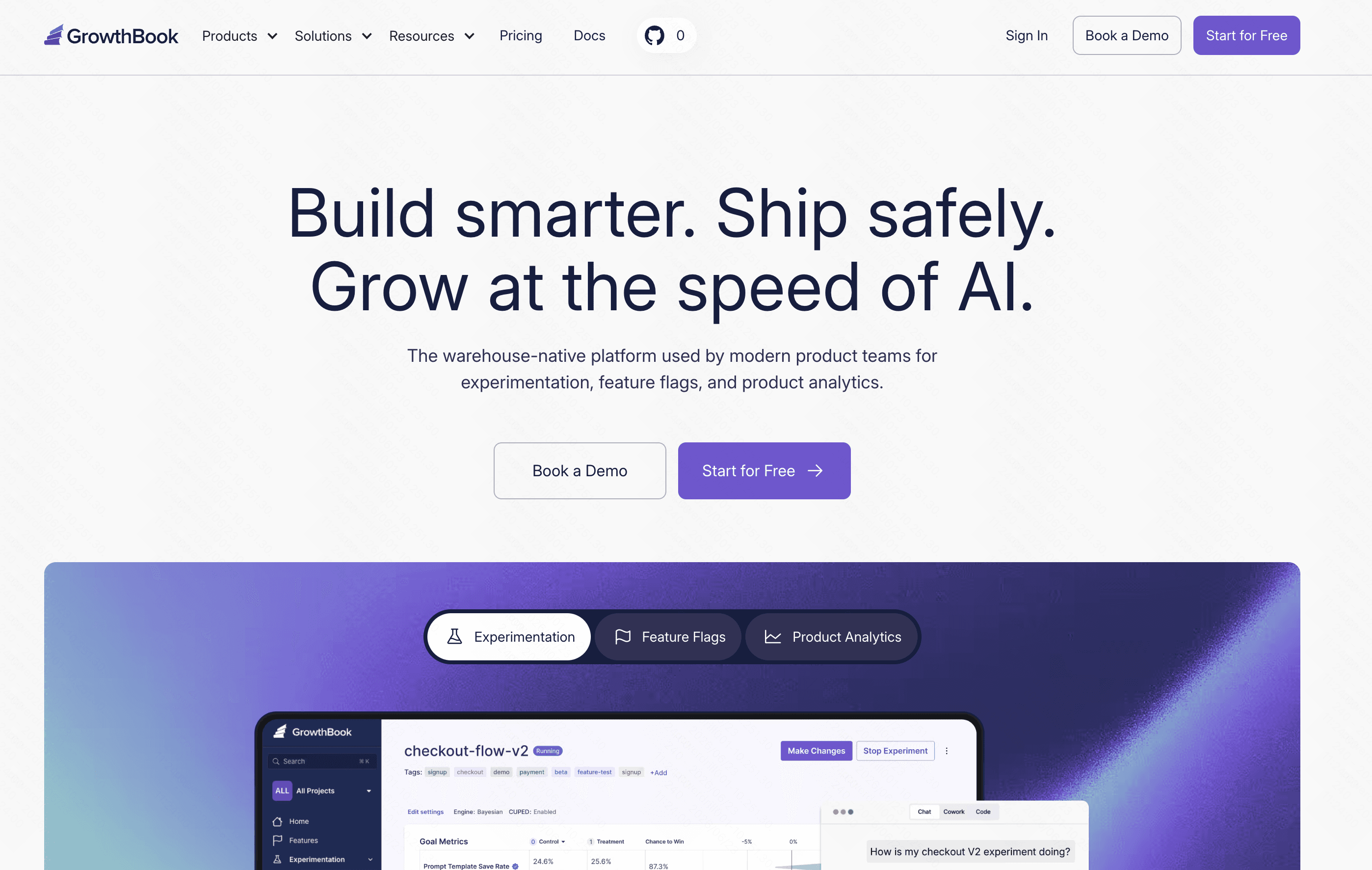
GrowthBook एक ओपन-सोर्स प्लेटफॉर्म है जो फीचर फ्लैगिंग और प्रयोग के लिए तैयार किया गया है। यह स्वचालित रूप से इवेंट डेटा को कठोर Bayesian A/B टेस्ट रिपोर्ट में बदल देता.
मुख्य विशेषताएं
- Bayesian सांख्यिकी इंजन।
- आपके मौजूदा डेटा वेयरहाउस से सीधे जुड़ता है।
- गहन विश्लेषण के लिए Jupyter Notebook निर्यात।
पक्ष (Pros)
- आपके डेटा के लिए कोई वेंडर लॉक-इन नहीं।
- सांख्यिकीय सटीकता के लिए डेटा वैज्ञानिकों द्वारा अत्यधिक सम्मानित।
विपक्ष (Cons)
- एक मौजूदा डेटा वेयरहाउस सेटअप की आवश्यकता होती है।
- यह प्लग-एंड-प्ले विजुअल टेस्टिंग टूल नहीं है।
मूल्य निर्धारण
- ओपन-सोर्स सेल्फ-होस्टिंग के लिए मुफ्त; सशुल्क योजनाएं $40/सीट/माह से शुरू होती हैं।
10. Heap
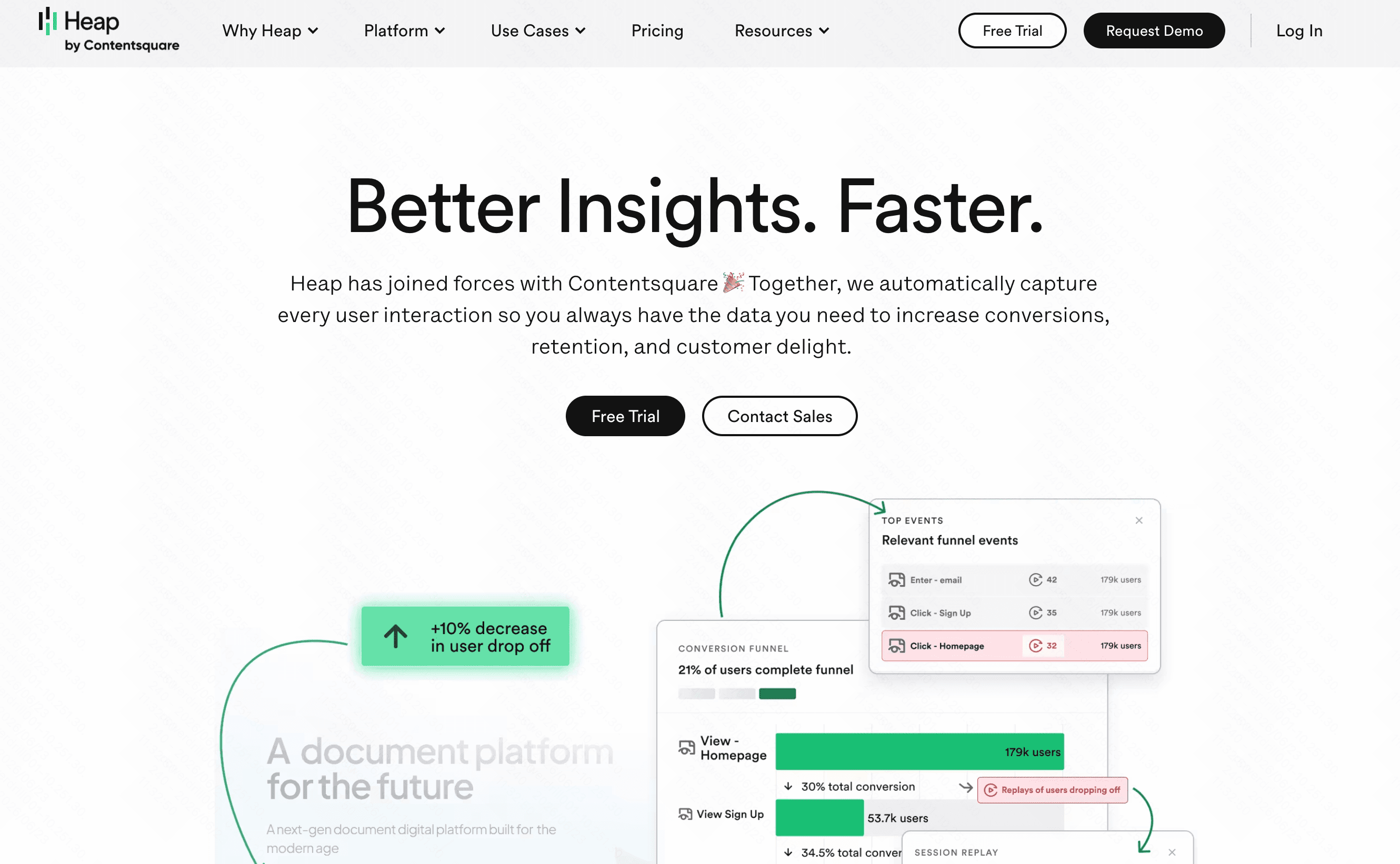
Heap (अब Contentsquare का हिस्सा) प्रत्येक उपयोगकर्ता इंटरैक्शन को स्वचालित रूप से कैप्चर करता है। इसका AI इंजन घर्षण (friction) के छिपे हुए बिंदुओं को उजागर करता है, जिससे मैन्युअल इवेंट ट्रैकिंग के बिना A/B परीक्षणों का विश्लेषण करना आसान हो जाता है।
मुख्य विशेषताएं
- सभी फ्रंटएंड इवेंट्स का ऑटो-कैप्चर।
- छिपे हुए उपयोगकर्ता पथों को खोजने के लिए Heap Illuminate AI।
- सहज कोहोर्ट विश्लेषण।
पक्ष (Pros)
- परीक्षण चलाने से पहले इवेंट्स को मैन्युअल रूप से टैग करने की आवश्यकता नहीं है।
- अप्रत्याशित उपयोगकर्ता व्यवहारों को उजागर करने के लिए बढ़िया।
विपक्ष (Cons)
- ऑटो-कैप्चर के परिणामस्वरूप भारी मात्रा में अव्यवस्थित डेटा हो सकता है।
- वेब ट्रैफ़िक के साथ मूल्य निर्धारण तेजी से बढ़ता है।
मूल्य निर्धारण
- मुफ्त बुनियादी योजना; प्रीमियम स्तरों के लिए कस्टम मूल्य निर्धारण।
सामान्य A/B टेस्टिंग गलतियाँ जिन्हें रोकने में AI मदद कर सकता है
- जल्दी देखना (Early Peeking): मनुष्य अक्सर सकारात्मक प्रवृत्ति देखते ही परीक्षण रोक देते हैं। AI सांख्यिकीय महत्व सीमाओं का कड़ाई से पालन करता है, जिससे गलत सकारात्मक परिणामों (false positives) को रोका जा सकता है।
- माइक्रो-सेगमेंट्स की अनदेखी करना: आप कुल मिलाकर किसी परीक्षण को "असफल" घोषित कर सकते हैं, लेकिन AI यह प्रकट कर सकता है कि उस वेरिएंट ने वास्तव में एक विशिष्ट जनसांख्यिकी के लिए कन्वर्जन में 40% की वृद्धि की है।
- P-Hacking: सफल परिणाम खोजने के लिए मैन्युअल रूप से मापदंडों में फेरबदल करना परीक्षणों को अमान्य कर देता है। AI कठोर, वस्तुनिष्ठ विश्लेषण ढांचे स्थापित करता है।
- प्रस्तुति की बाधाएं (Presentation Bottlenecks): डेटा को रॉ प्रारूपों में छोड़ने से गलत संचार होता है। AI टूल्स तुरंत डेटा को सटीक रूप से विज़ुअलाइज़ करके इसे रोकते हैं।
सही AI A/B टेस्टिंग टूल कैसे चुनें
- तकनीकी विशेषज्ञता का आकलन करें: क्या आपके पास डेवलपर्स की एक टीम है, या आपको Powerdrill Bloom जैसे नो-कोड समाधान की आवश्यकता है?
- डेटा विज़ुअलाइज़ेशन की आवश्यकताएं: यदि आप नियमित रूप से हितधारकों को रिपोर्ट करते हैं, तो उन उपकरणों को प्राथमिकता दें जो स्वचालित रूप से प्रस्तुतियाँ और चार्ट उत्पन्न करते हैं।
- एकीकरण क्षमताएं (Integration Capabilities): सुनिश्चित करें कि टूल आपके मौजूदा टेक स्टैक के साथ आसानी से एकीकृत हो जाता है (जैसे, MCP टूल या सीधे SDKs के माध्यम से)।
- बजट संबंधी विचार: स्टार्टअप्स को बड़े एंटरप्राइज अनुबंधों के लिए प्रतिबद्ध होने से पहले फ्रीमियम AI एजेंटों का लाभ उठाना चाहिए।
निष्कर्ष
हालांकि ऊपर सूचीबद्ध सभी प्लेटफॉर्म अपनी अनूठी ताकत लाते हैं, फिर भी A/B टेस्ट डेटा का विश्लेषण करना और उन परिणामों को प्रभावी ढंग से संप्रेषित करना एक बहुत बड़ी बाधा बनी हुई है। यदि आप थकाऊ मैन्युअल चार्टिंग और जटिल SQL प्रश्नों को छोड़ना चाहते हैं, तो Powerdrill Bloom अंतिम समाधान के रूप में उभरता है।
विशेष डेटा कौशल वाले एक सामान्य-उद्देश्य वाले AI एजेंट के रूप में, यह आपके रॉ A/B टेस्टिंग डेटा को सहजता से कार्रवाई योग्य अंतर्दृष्टि और सुंदर, वन-क्लिक प्रेजेंटेशन डेक में बदल देता है। स्प्रेडशीट से लड़ना बंद करें और आज ही Powerdrill Bloom को अपने वर्कफ़्लो को बदलने दें।
अक्सर पूछे जाने वाले प्रश्न (FAQs)
A/B टेस्टिंग विश्लेषण के लिए सबसे अच्छा AI टूल कौन सा है?
Powerdrill Bloom की अत्यधिक अनुशंसा की जाती है, क्योंकि यह रॉ प्रयोग डेटा को आसानी से कार्रवाई योग्य, नो-कोड प्रेजेंटेशन डेक में बदल देता है।
क्या AI A/B टेस्ट विश्लेषण को स्वचालित कर सकता है?
हाँ। Powerdrill Bloom जैसे उपकरण परिणामों का तुरंत विश्लेषण करने, चार्ट बनाने और स्वचालित रूप से गहरी अंतर्दृष्टि प्रदान करने के लिए AI का उपयोग करते हैं।
क्या मुझे A/B टेस्ट विश्लेषण के लिए कोडिंग कौशल की आवश्यकता है?
Powerdrill Bloom के साथ नहीं। इसका नो-कोड प्लेटफॉर्म आपको सरल अंग्रेजी कमांड का उपयोग करके डेटा का विश्लेषण करने और पेशेवर रिपोर्ट तैयार करने की अनुमति देता है।
Powerdrill Bloom A/B टेस्टिंग को कैसे बेहतर बनाता है?
यह MCP टूल से जुड़ता है, Workspaces के माध्यम से आपकी फाइलों को याद रखता है, और रॉ टेस्ट डेटा से तुरंत स्लाइड डेक बनाता है।
क्या A/B टेस्टिंग के लिए मुफ्त AI टूल हैं?
हाँ, Powerdrill Bloom सुलभ फ्रीमियम टियर प्रदान करता है, जबकि PostHog जैसे उपकरण शुरुआती लोगों के लिए उदार मुफ्त योजनाएं प्रदान करते हैं।