10 Top AI Tools for Investor Reporting in 2026 (Free Options Included)
Let’s face it: putting together monthly or quarterly investor updates is one of the most tedious, anxiety-inducing tasks for founders, finance leaders, and investor relations professionals. You spend countless hours manually exporting messy data from CRMs and banking dashboards, copy-pasting numbers into fragile spreadsheets, and wrestling with slide formatting until 2 AM. Instead of focusing on strategic growth, your team is bogged down by administrative busywork just to keep stakeholders informed. Investors demand transparency, accurate metrics, and a clear narrative, but delivering this manually is a massive operational bottleneck that drains your company's most valuable resource: time.
Enter artificial intelligence. The reporting landscape has fundamentally shifted, with modern AI tools now capable of automating the entire workflow, from ingesting complex raw data to generating presentation-ready slide decks in mere seconds. The days of struggling with static PDFs and misaligned charts are over. Whether you are a pre-seed startup drafting your first monthly update or a mature enterprise analyzing shareholder sentiment, there is an AI platform designed to eliminate the friction in your reporting process.
In this comprehensive guide, we will dive deep into the 10 top AI tools for investor reporting, breaking down their profiles, key features, pros, cons, and pricing to help you upgrade your tech stack and get back to building your business.
What Is AI Investor Reporting Software
AI investor reporting software refers to advanced technological platforms that utilize artificial intelligence, machine learning, and natural language processing to automate and enhance the creation of financial and operational updates for stakeholders.
These tools go far beyond traditional spreadsheet macros. They act as intelligent assistants that understand your business context. Key capabilities include:
Automated Data Processing: They can ingest massive, messy datasets from CSVs, CRMs, or ERPs, clean the data, and identify key performance indicators (KPIs) instantly.
Natural Language Generation (NLG): AI translates complex financial metrics into easy-to-read executive summaries and narratives, explaining the "why" behind the numbers.
Instant Visualization: These platforms automatically generate charts, graphs, and dynamic dashboards that update in real time, saving hours of design work.
Predictive Analytics: Advanced tools forecast future runaways, cash flows, and market trends based on historical data.
Contextual Memory: Modern AI agents remember past reports and maintain a consistent tone, brand style, and strategic narrative across multiple reporting cycles.
Quick Comparison Table
| Product | Best For | Key Strength | Free Option |
|---|---|---|---|
| Powerdrill Bloom | End-to-end automated reporting | Raw data to one-click presentation decks | Yes |
| Beautiful AI | Quick aesthetic slides | AI-driven layout design | No |
| Gamma | Generative web docs & decks | Conversational document creation | Yes |
| TrendSpider | Technical market reporting | Automated chart analysis | No |
| Julius AI | Advanced data analysis | Chatting with raw spreadsheets | Yes |
| Notion AI | Text-based narrative updates | Workspace integration & summarization | No |
| Looker Studio | Enterprise BI reporting | Real-time database syncing | Yes |
| Nume | Startup KPI tracking | Intuitive financial dashboards | Yes |
| Aiir | Enterprise Investor Relations | Shareholder sentiment tracking | No |
| Drivetrain | Strategic FP&A | Complex scenario modeling | No |
1. Powerdrill Bloom
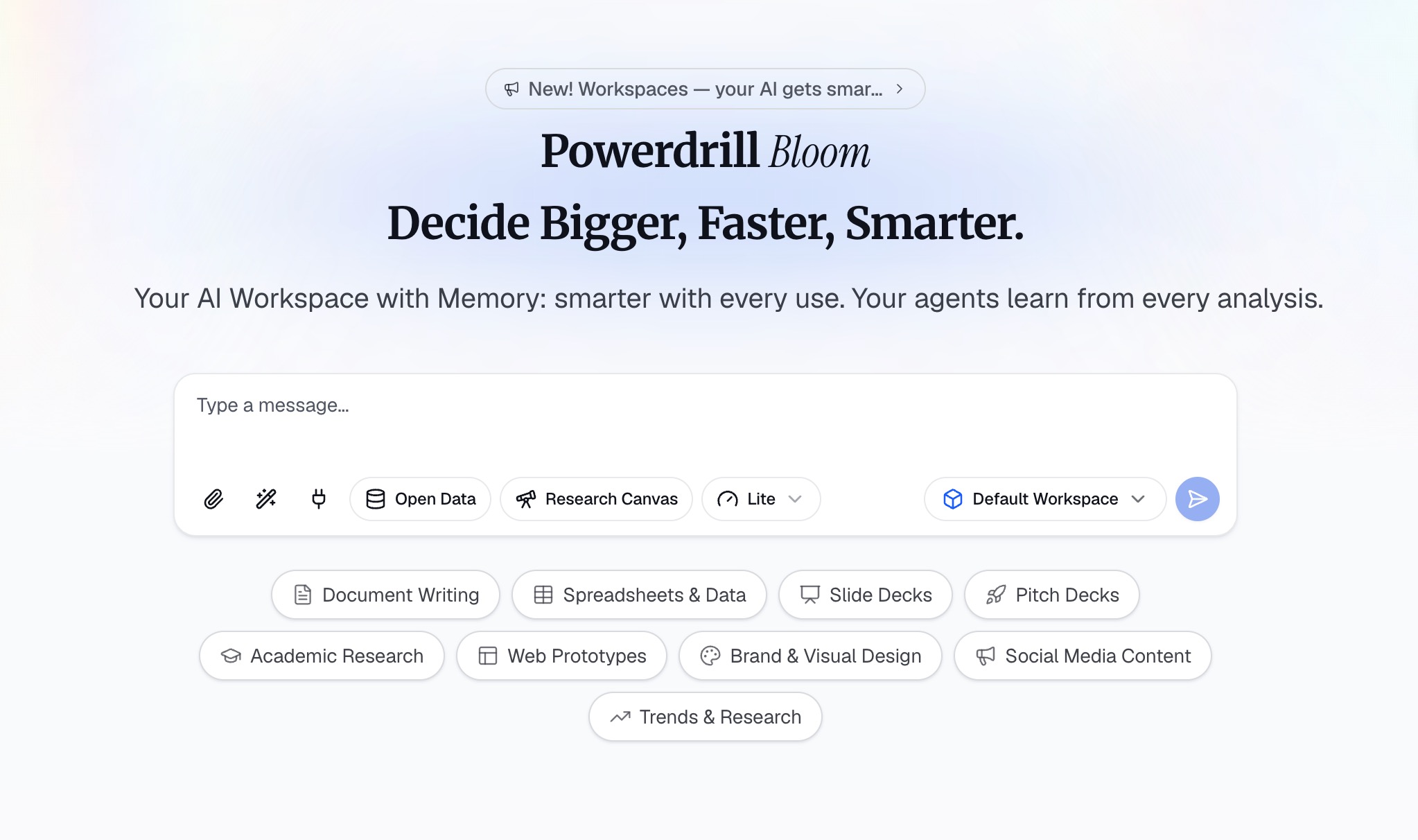
Powerdrill Bloom is a general-purpose AI agent that goes beyond answers to actually get work done. For founders and investor relations teams, it acts as an indispensable partner. You can run specialized skills for financial research, portfolio analysis, automation, and execution. Connect MCP (Model Context Protocol) tools to seamlessly integrate with your existing databases, and let persistent Workspaces remember your files, cap tables, and previous metrics across sessions. Its flagship strength for investor reporting: turning raw data into insights, charts, and one-click presentation decks — no code required.
Key Features
Persistent Workspaces that remember your files, previous metrics, and context across multiple reporting sessions.
Connects directly to external live tools and financial databases via MCP (Model Context Protocol).
Flagship one-click deck generation that instantly turns raw data and CSVs into formatted, visual presentations.
Specialized, customizable skills for deep research, data analysis, and workflow automation.
Pros
Eliminates the entire manual process of turning spreadsheets into slides.
No coding skills required, making it highly accessible for any founder or operator.
Contextual memory ensures month-over-month reporting consistency.
Cons
The sheer volume of general-purpose capabilities can be slightly overwhelming at first glance.
Users may need time to explore advanced AI analysis features.
Pricing
Generous free tier; Paid plans from $13.27/mo.
2. Beautiful AI
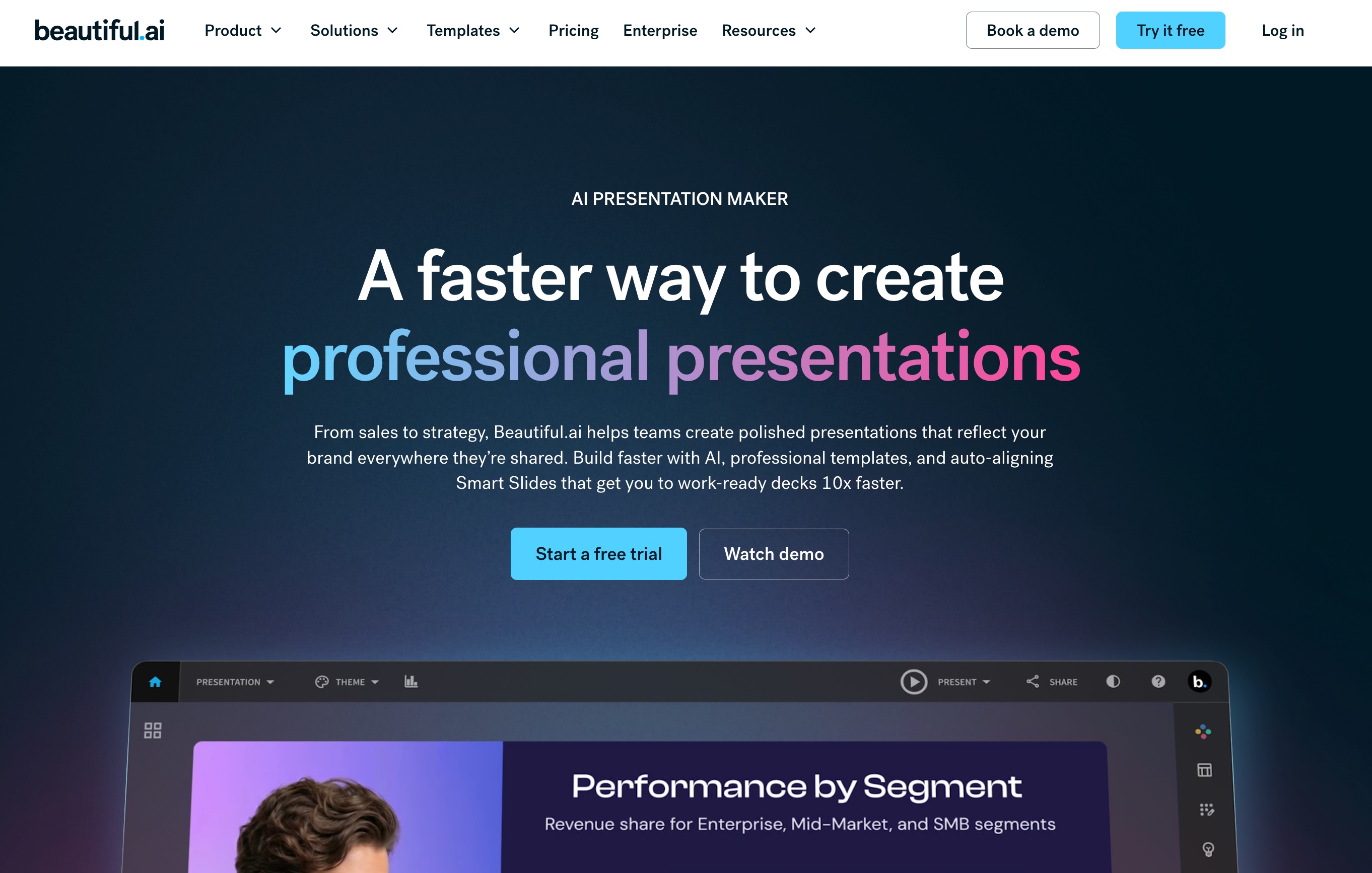
Beautiful AI is a presentation-focused platform that uses artificial intelligence to enforce good design principles. Instead of manually aligning text boxes and charts for your board meeting, the tool automatically adjusts layouts as you add content. It is ideal for teams who already have their narrative ready but struggle with the visual design of their investor decks.
Key Features
Smart slide templates that adapt automatically as data and text are added.
Brand control features that lock in company colors, fonts, and logos.
AI-generated slide builds from simple text prompts.
Pros
Drastically reduces the time spent on formatting and design.
Ensures a professional, high-end aesthetic without a graphic designer.
Easy collaboration features for finance and executive teams.
Cons
Does not natively crunch complex raw data or run predictive analytics.
Templates can feel rigid if you need highly customized, unorthodox slide layouts.
Pricing
Free trial; Starts at $14.5/mo.
3. Gamma

Gamma is an AI-powered medium for presenting ideas, positioned as an alternative to traditional slide decks. With a simple text prompt, Gamma generates visually engaging decks, documents, or webpages. It’s highly favored by modern startups for sending interactive, mobile-friendly investor updates rather than static PDFs.
Key Features
One-prompt generation for complete documents, decks, or interactive web pages.
Embedded analytics to see which investors viewed the report and for how long.
Interactive elements allowing the embedding of live websites, videos, and charts.
Pros
Extremely fast creation of highly engaging, modern-looking reports.
Mobile-first design ensures updates look great on an investor's phone.
Flexible formatting that breaks away from the traditional 16:9 slide constraints.
Cons
AI-generated copy can sometimes be generic and requires human editing.
Lacks the heavy-duty numerical processing required for complex financial modeling.
Pricing
Free tier available; Starts at$8/mo.
4. TrendSpider
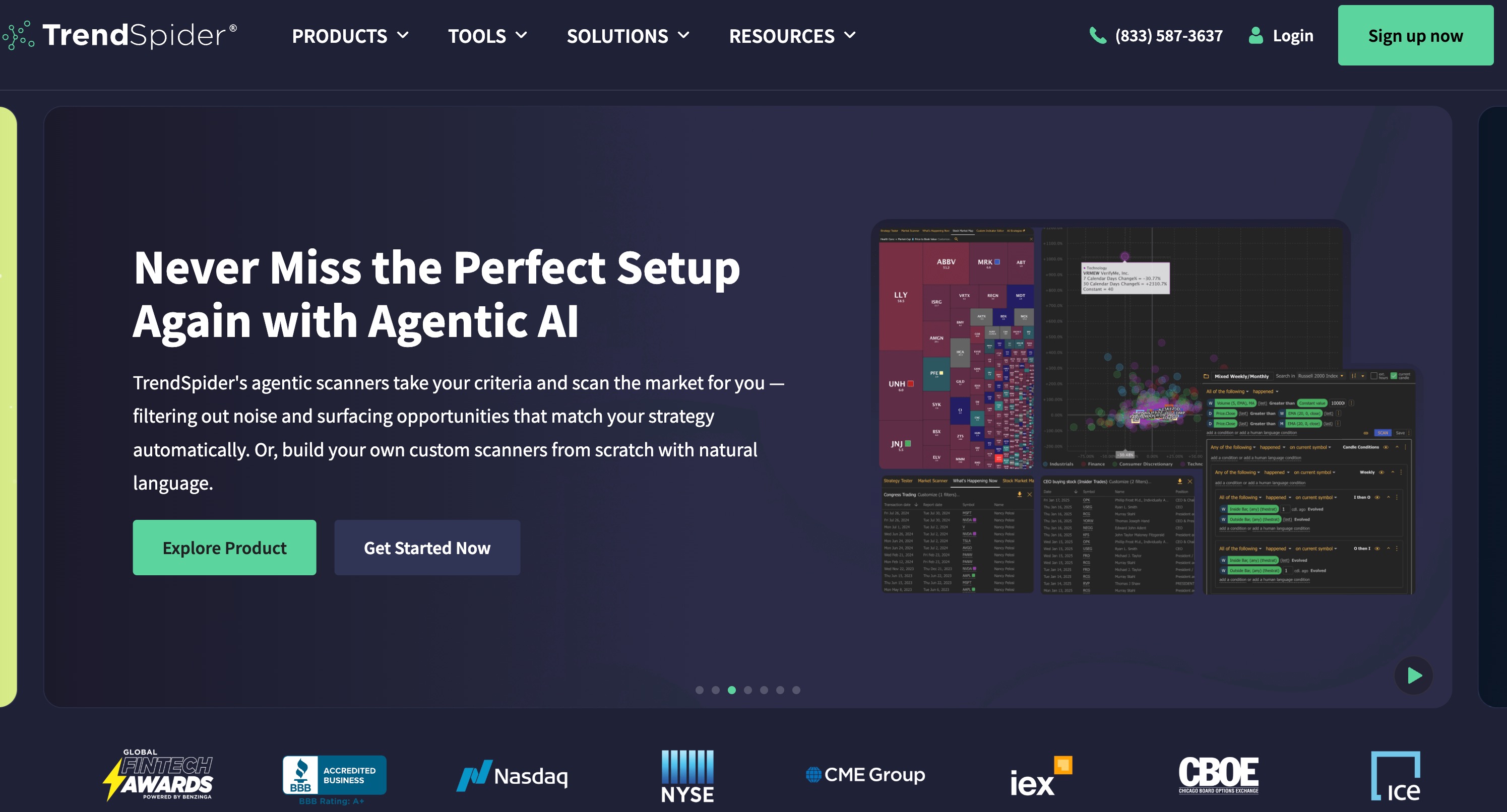
TrendSpider caters specifically to investment firms, hedge funds, and crypto ventures that need to report on market technicals. It is an automated technical analysis platform that uses AI to detect market trends, draw trendlines, and recognize chart patterns, making it an excellent tool for funds reporting on asset performance.
Key Features
Automated trendline detection and technical pattern recognition.
Dynamic price alerts and advanced backtesting capabilities.
Raindrop charts and alternative visual data representations.
Pros
Saves countless hours of manual chart drawing for market-focused investors.
Highly robust for algorithmic and technical fund reporting.
Removes human bias from technical analysis.
Cons
Steep learning curve; built for finance professionals, not general founders.
Strictly focused on market data, not internal company metrics.
Pricing
Free trial; Starts at $19/mo.
5. Julius AI

Julius AI functions as your virtual, on-demand data analyst. By allowing users to upload vast amounts of raw data (CSVs, Excel files, or database links), Julius uses natural language processing to write Python code in the background, analyzing the data and returning charts, models, and deep insights through a simple chat interface.
Key Features
Conversational interface for querying complex spreadsheets and databases.
Instant generation of downloadable charts, graphs, and heatmaps.
Under-the-hood Python environment ensuring highly accurate mathematical processing.
Pros
Handles massive, complex datasets with ease.
Turns raw numbers into visual insights instantly using plain English prompts.
Highly versatile across different types of financial and operational data.
Cons
The output is raw charts and text, lacking a built-in presentation deck builder.
Requires relatively clean data formatting to avoid AI confusion.
Pricing
Free tier available; Starts at $20/mo.
6. Notion AI

Notion has evolved into the central nervous system for many startups, and Notion AI takes it a step further. For founders who prefer written memo-style investor updates, Notion AI can summarize weeks of meeting notes, generate financial narratives, and instantly draft structured investor updates right where the company's knowledge base lives.
Key Features
In-document AI text generation, summarization, and tone adjustment.
Q&A functionality that allows you to chat with your entire workspace.
Custom AI autofill properties for tracking investor CRM databases.
Pros
Seamless integration if your team already uses Notion for documentation.
Incredibly cost-effective and collaborative.
Excellent for long-form narrative reporting and qualitative updates.
Cons
Not designed for complex numerical charting or data visualization.
Does not generate traditional slide decks.
Pricing
Add-on for $10/mo.
7. Looker Studio
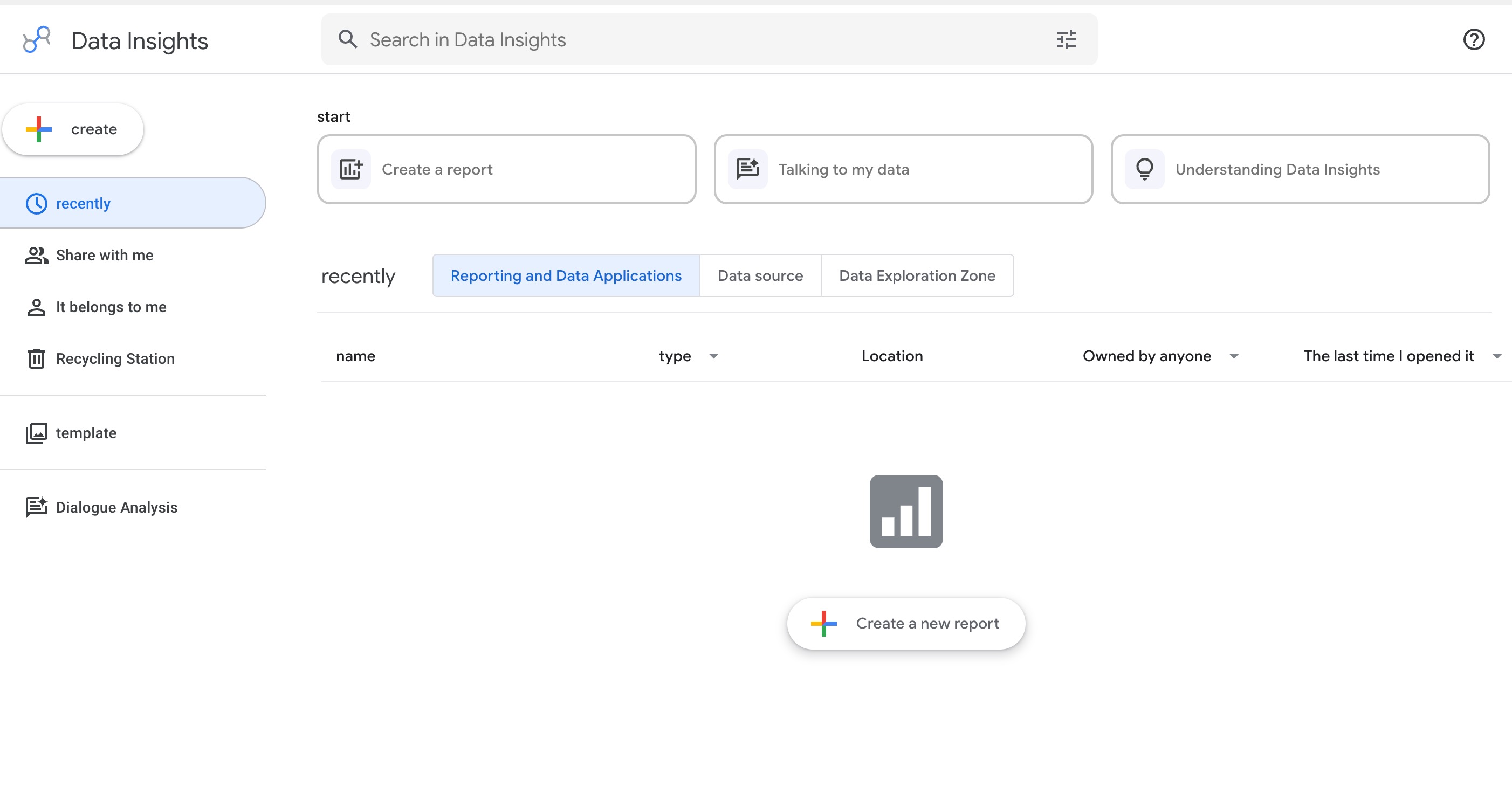
Backed by Google and integrated with Gemini AI, Looker Studio is an enterprise-grade business intelligence platform. It excels at turning live data from various sources into fully customizable, real-time dashboards. It is the go-to choice for later-stage companies that need to give their investors access to live, interactive data portals.
Key Features
Native integration with Google Cloud, BigQuery, and hundreds of other data pipelines.
Gemini AI assistance for building complex queries and dashboard layouts.
Highly customizable, interactive dashboards with live data syncing.
Pros
Unmatched power for enterprise-level, real-time data reporting.
Investors can filter and interact with the data directly.
Incredibly secure and compliant with enterprise standards.
Cons
Requires technical knowledge and data engineering to set up properly.
Overkill for early-stage startups needing simple monthly updates.
Pricing
Free core version; Pro at $9/user/month.
8. Nume
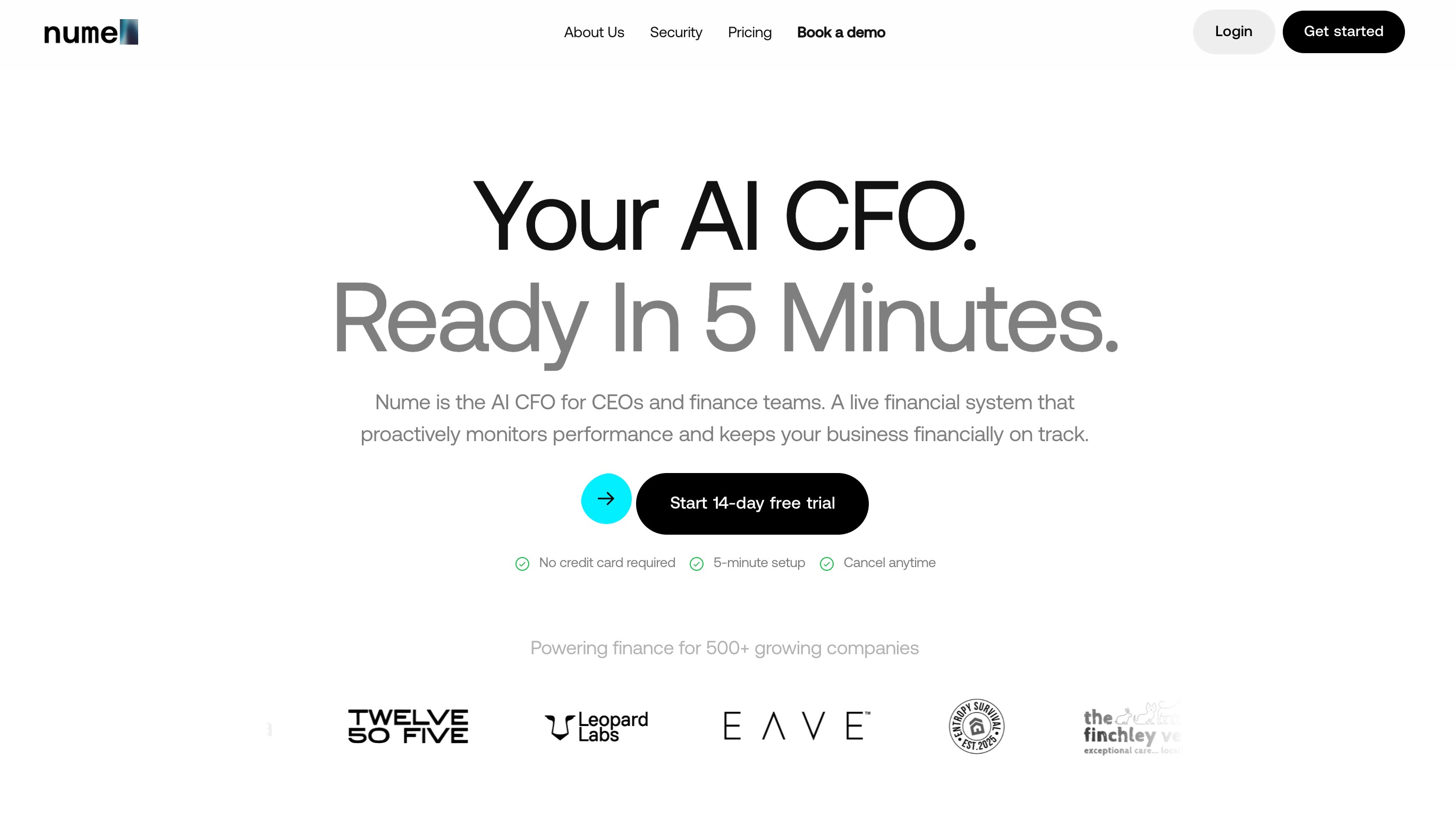
Nume is rapidly emerging as a favorite for modern startup reporting. Designed to bridge the gap between complex accounting software and founder-friendly interfaces, it uses AI to automate the tracking of burn rate, runway, and MRR. It helps founders put together sleek financial dashboards that are easily shareable with stakeholders.
Key Features
Automated extraction and categorization of financial KPIs from banking APIs.
Pre-built, investor-ready dashboard templates for SaaS and e-commerce.
AI-generated insights explaining month-over-month variances.
Pros
Very intuitive, requiring almost zero financial modeling experience.
Perfect for early-stage founders focusing on standard startup metrics.
Fast syncing with modern fintech and accounting stacks.
Cons
Newer platform with fewer third-party integrations compared to legacy tools.
Lacks the deep, customizable narrative generation of broader AI agents.
Pricing
Free tier available; Starts at$100/mo.
9. Aiir
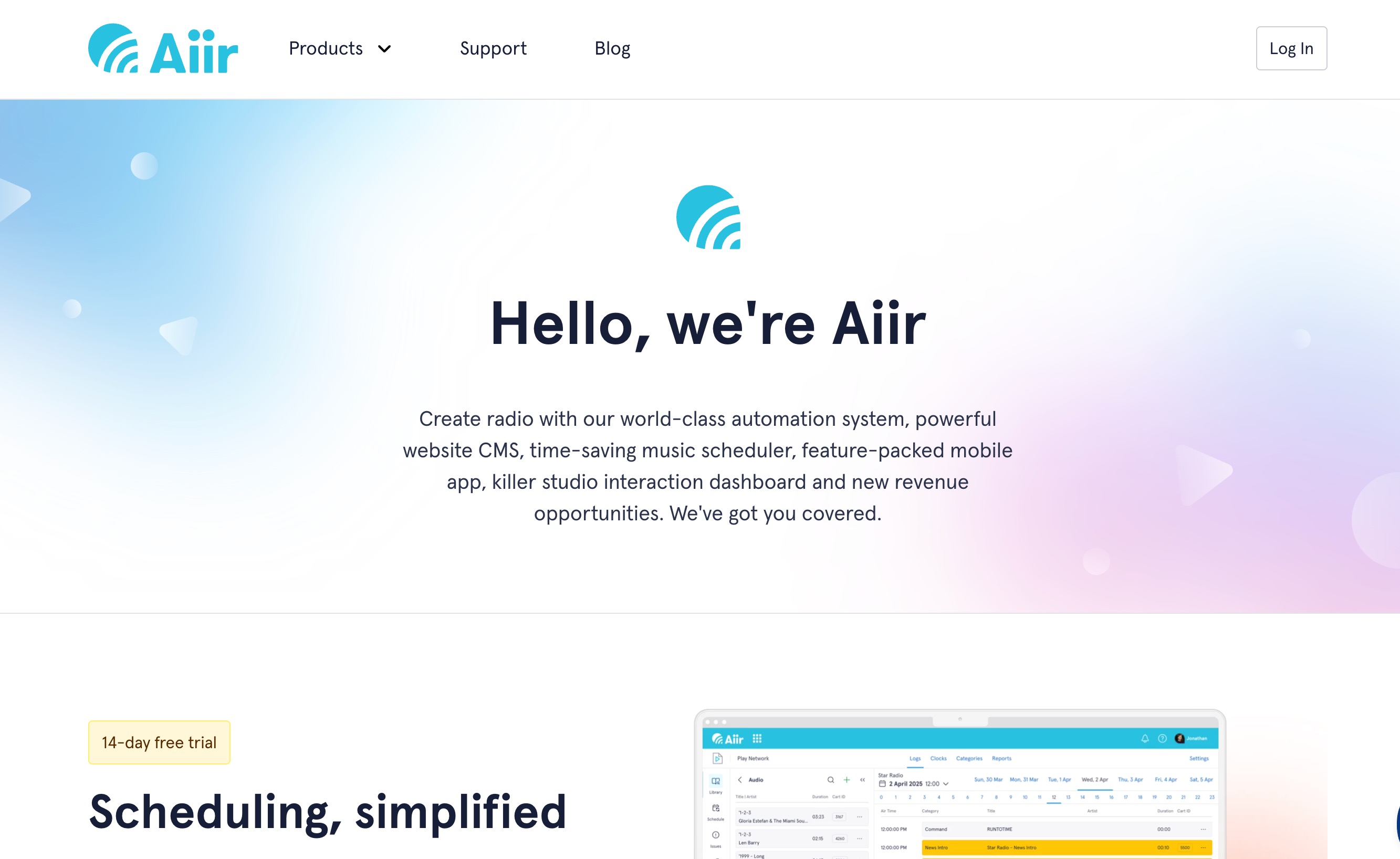
Aiir represents the enterprise side of investor reporting, focusing heavily on public companies and large-scale IR departments. It utilizes AI to analyze market sentiment, generate earnings call scripts, and automate outreach to shareholders, ensuring public company narratives align perfectly with market expectations.
Key Features
AI-driven shareholder sentiment analysis and media monitoring.
Automated generation of earnings reports and press releases.
Predictive modeling for investor Q&A preparation.
Pros
Tailor-made for the specific regulatory and scale demands of public IR.
Deep analytical insights into how the market perceives the company.
Saves hundreds of hours during the hectic quarterly earnings season.
Cons
Prohibitively expensive for small businesses or seed-stage startups.
Complex implementation cycle.
Pricing
Custom enterprise pricing.
10. Drivetrain
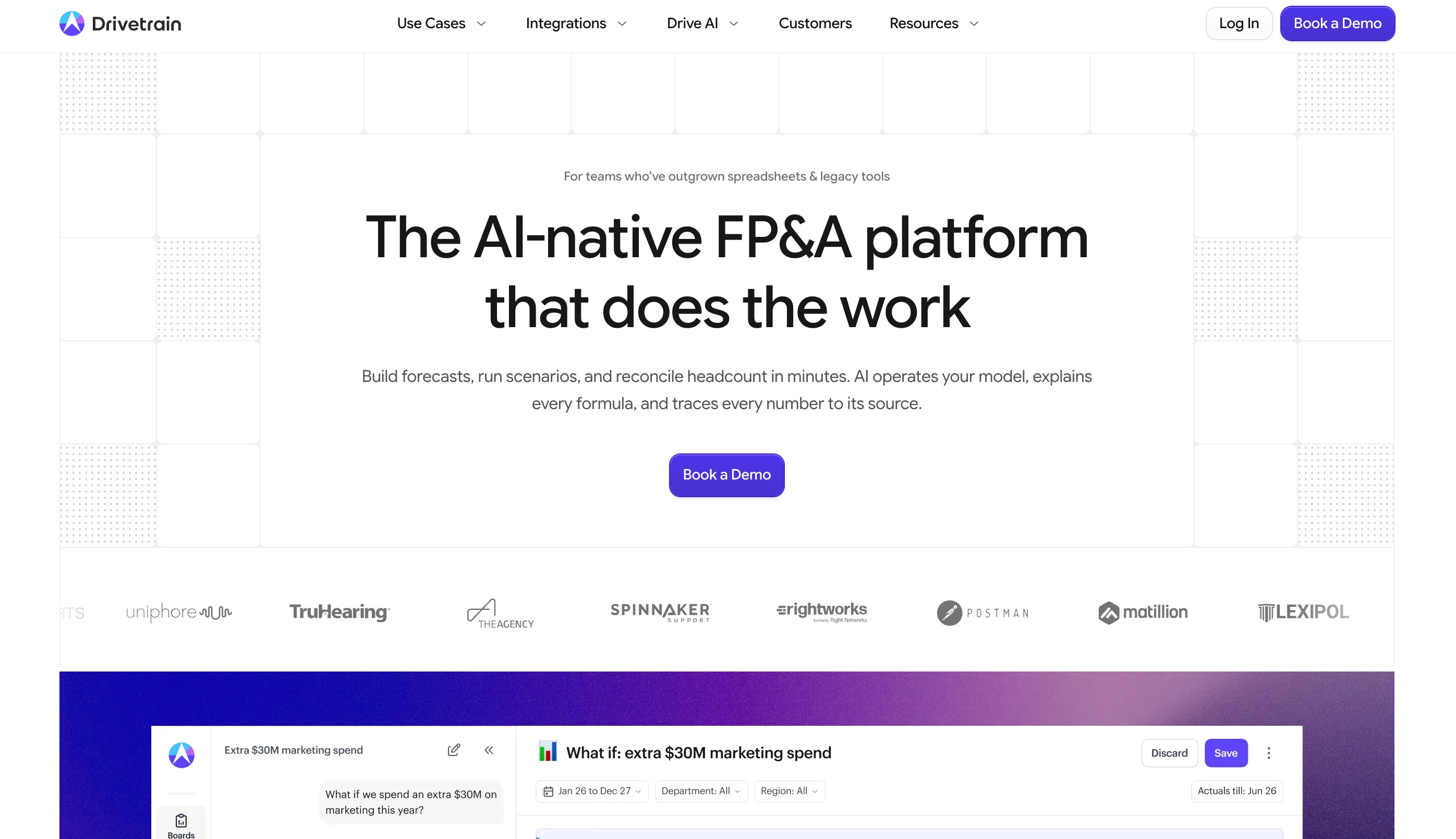
Drivetrain is a strategic Financial Planning & Analysis (FP&A) platform that utilizes AI to help finance leaders plan, monitor, and report on their business. It connects directly to your ledger, CRM, and HR systems to create a single source of truth, automating the creation of highly detailed board decks and financial reports.
Key Features
Complex scenario modeling and automated budget vs. actuals tracking.
Direct API integrations with major ERPs and CRMs.
Automated board deck generation with deep financial granularity.
Pros
Brilliant for dedicated finance teams needing absolute numerical precision.
Creates a unified data model, eliminating spreadsheet errors.
Robust forecasting capabilities for board-level discussions.
Cons
High cost of entry and requires a dedicated finance professional to manage.
Not a general-purpose tool; strictly focused on heavy financial metrics.
Pricing
Custom pricing.
How AI Is Changing Investor Reporting
The introduction of AI has fundamentally rewritten the rules of investor relations. What used to be a tedious, error-prone administrative burden is now a strategic advantage.
Unprecedented Speed: Generative AI turns a process that took weeks of data gathering and formatting into a task that takes mere minutes.
Error Reduction: By automating data extraction and syncing directly with APIs, AI removes the human error associated with manual copy-pasting across spreadsheets.
Hyper-Personalization: AI enables founders to tweak the narrative tone or data focus for different types of investors—highlighting user growth for one VC, while emphasizing cash flow metrics for another—in seconds.
Predictive Insights: Instead of just reporting on what happened last month, AI tools analyze historical data to accurately forecast future performance, enabling more strategic board discussions.
Interactive Engagement: Static PDFs are being replaced by dynamic, AI-generated dashboards where investors can ask questions and interact with the data themselves.
How to Choose the Right AI Tool for Investor Reporting
Selecting the right tool for your startup or enterprise requires a careful evaluation of your specific needs, data stack, and team capabilities. Keep these factors in mind:
Assess Your Data Complexity: Do you need simple text updates, or are you managing millions of rows of transaction data?
Consider the Output Format: Does your board prefer traditional slide decks, written memos, or interactive dashboards?
Evaluate the Learning Curve: Will you need to hire a data engineer, or can a non-technical founder use the tool out of the box?
When looking at the market objectively, tools like Gamma are phenomenal if your only struggle is visual design. If your pain point is querying massive spreadsheets, Julius AI is an excellent analytical assistant. Meanwhile, for mature companies with dedicated CFOs, Drivetrain offers unparalleled depth in FP&A.
However, if you want the ultimate all-in-one solution, we heavily recommend Powerdrill Bloom. Most tools only solve half the problem—they either analyze the data or they design the slides. Powerdrill Bloom bridges this gap flawlessly. By acting as a general-purpose AI agent with persistent memory, it connects directly to your live data via MCP tools and literally transforms raw numbers into stunning, one-click presentation decks. It completely eliminates the friction between data analysis and narrative presentation, allowing founders to focus on running their business rather than formatting slides.
Conclusion
In 2026, leveraging AI for investor reporting is no longer a luxury; it is a baseline expectation. The tools available today empower teams to communicate their vision and metrics with greater clarity, accuracy, and speed than ever before. While there are many fantastic specialized tools on the market, you need a solution that seamlessly connects your raw data to a finished, beautiful presentation. Don't waste another late night fighting with spreadsheets and slide formatting—embrace the future of automated reporting by letting Powerdrill Bloom do the heavy lifting for you. Give it a try today and experience the magic of one-click investor updates.
FAQs
1. Are AI investor reporting tools secure?
Yes. Reputable platforms use enterprise-grade encryption and strict privacy protocols to ensure your financial data remains highly confidential.
2. Do I need to know how to code?
Not at all. Modern AI reporting tools use natural language processing, allowing you to generate insights using plain English.
3. Can AI completely replace my finance team?
No. AI handles data crunching and formatting, but you still need human experts for strategic context and relationship management.
4. Are there free options available for startups?
Yes. Tools like Powerdrill Bloom and Gamma offer generous free tiers perfect for early-stage founders building their first updates.
5. How long does it take to create reports?
What used to take days now takes minutes. AI agents instantly transform raw spreadsheets into polished, shareable investor decks.