12 Best Tools to Stop ChatGPT From Forgetting in 2026 (Hands-On Review)
Introduction
Imagine spending three hours feeding ChatGPT the intricate details of your latest coding project or novel, only for the AI to completely forget your main character's name or your core database architecture in the very next prompt. This infuriating phenomenon, often rooted in the AI equivalent of catastrophic interference (where learning new information causes the sudden erasure of previously learned data), is the biggest bottleneck in modern AI workflows.
Users are desperate for solutions to ChatGPT's "goldfish memory." While large language models (LLMs) rely on a fixed context window to process information, pushing past that limit results in truncated conversations and lost productivity. You need a system that gives your AI persistent, flawless recall.
Here is our hands-on review of the 12 best tools designed to stop ChatGPT from forgetting, allowing you to build intelligent, continuous workflows.
What Causes ChatGPT to Forget
Before we can fix the problem, we must understand why it happens:
Context Window Limits: LLMs can only hold a specific number of tokens (words or word parts) in their active memory. Once this limit is reached, older tokens are permanently pushed out.
Stateless Architecture: By design, ChatGPT treats every new chat session as a completely blank slate to protect user privacy and save computational power.
Attention Decay: Even within a single long conversation, the AI's "attention mechanism" heavily weighs recent prompts, gradually ignoring instructions established at the very beginning of the chat.
What Makes a Good AI Memory Tool
To truly solve AI amnesia, a top-tier memory tool must possess several critical capabilities:
Persistent Storage: It must save context across multiple different chat sessions and days.
Semantic Retrieval: It shouldn't just rely on keyword matching; it must understand the meaning and context of your past conversations.
Dynamic Updating: The tool should automatically update facts when you provide new information, rather than holding onto outdated data.
Low Latency: Retrieving past memories should happen in milliseconds so the chat experience remains seamless.
Quick Comparison Table
| Tool | Best For | Standout Feature | Pricing Model |
|---|---|---|---|
| MemoryLake | Overall Best / Universal Recall | Infinite AI Context Graphing | $19/month |
| Mem0 | Open-Source Enthusiasts | Developer-friendly API | $19/month |
| Zep | Fast Agentic Workflows | Low-latency Memory Retrieval | $125/month |
| LangMem | LangChain Users | Native LangChain Integration | Open source |
| Cognee | Cognitive Graphing | Knowledge Graph Generation | $2.50/ 1M tokens |
| Supermemory AI | Personal Knowledge | ChatGPT Chrome Extension | $19/month |
| Pinecone | Enterprise RAG | Highly Scalable Vector DB | $20/month |
| Letta (MemGPT) | Autonomous Agents | OS-like Tiered Memory | Open Source / Cloud |
| Glean | Enterprise Workspaces | Cross-app Data Indexing | Custom Enterprise |
| RAGflow | Deep Document Chat | OCR-based RAG pipelines | $29/month |
| NotebookLM | Researchers / Students | Audio Generation / Document Chat | $7.99 / per month |
| LlamaIndex | Data Engineers | Advanced Data Connectors | $50/month |
1. MemoryLake
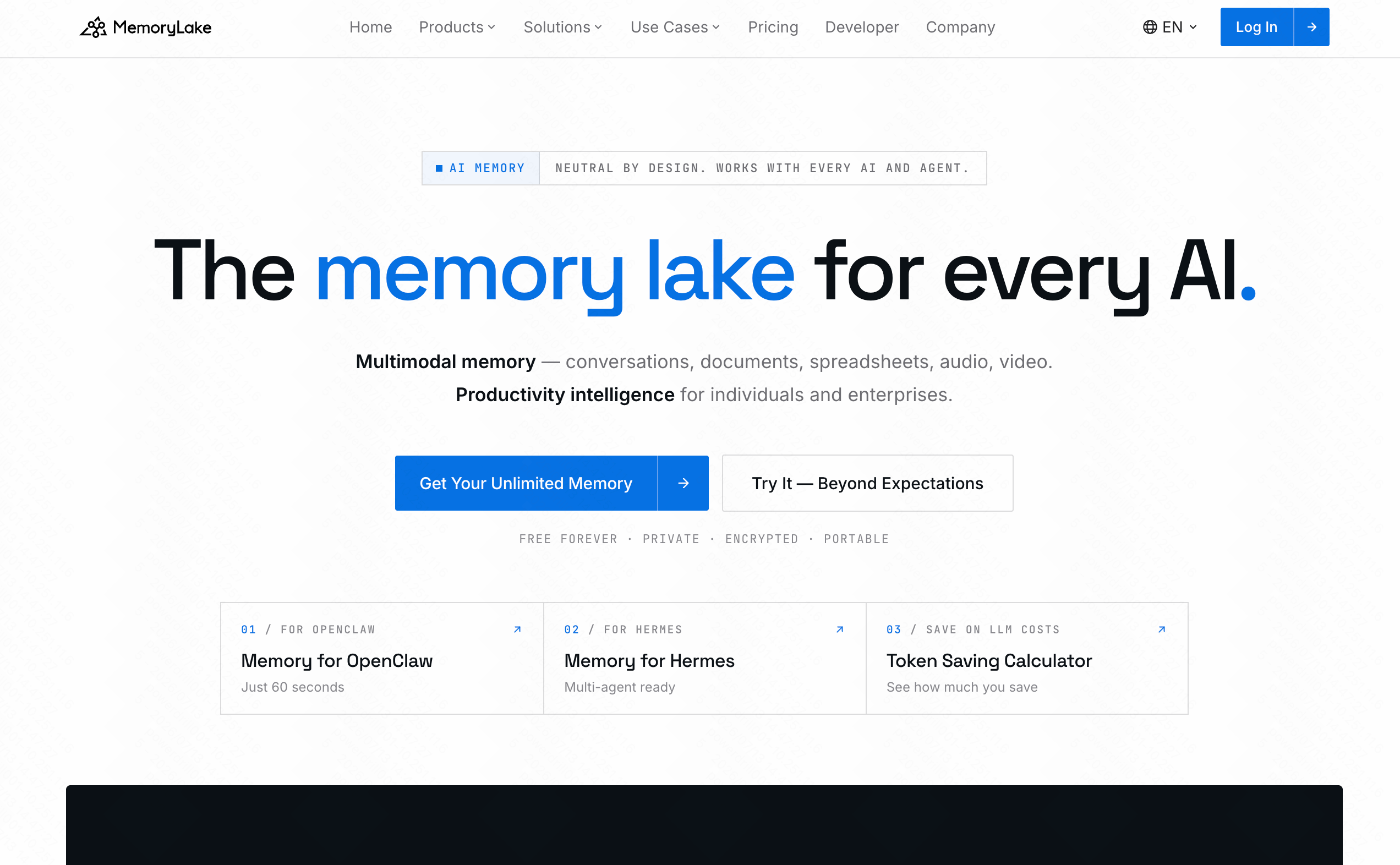
MemoryLake is a cross-model memory layer built around a simple idea: your context should follow you, not live inside one AI. You upload documents (PDF, Word, Excel, PowerPoint, Markdown, images), organize them into Projects, add Memories, and expose them to any AI app through an MCP Server. Unlike vendor-held memory, storage is end-to-end encrypted and fully user-owned — the provider can't read it — with Git-style versioning for auditability.
Key Features
Dynamic context graphing that links related concepts across past conversations.
Zero-hallucination semantic retrieval pipeline.
Plug-and-play integrations with ChatGPT, Claude, and custom API agents.
Pros
Unmatched accuracy in recalling deep, complex historical context.
Incredibly easy setup requires almost zero technical knowledge.
Eliminates token-limit anxiety completely.
Cons
May be overly robust for simple, single-turn chatbots.
Requires a mindset shift from "prompt engineering" to "memory architecture."
Pricing
Offers a generous free tier, with Pro plans starting at $19/month.
2. Mem0
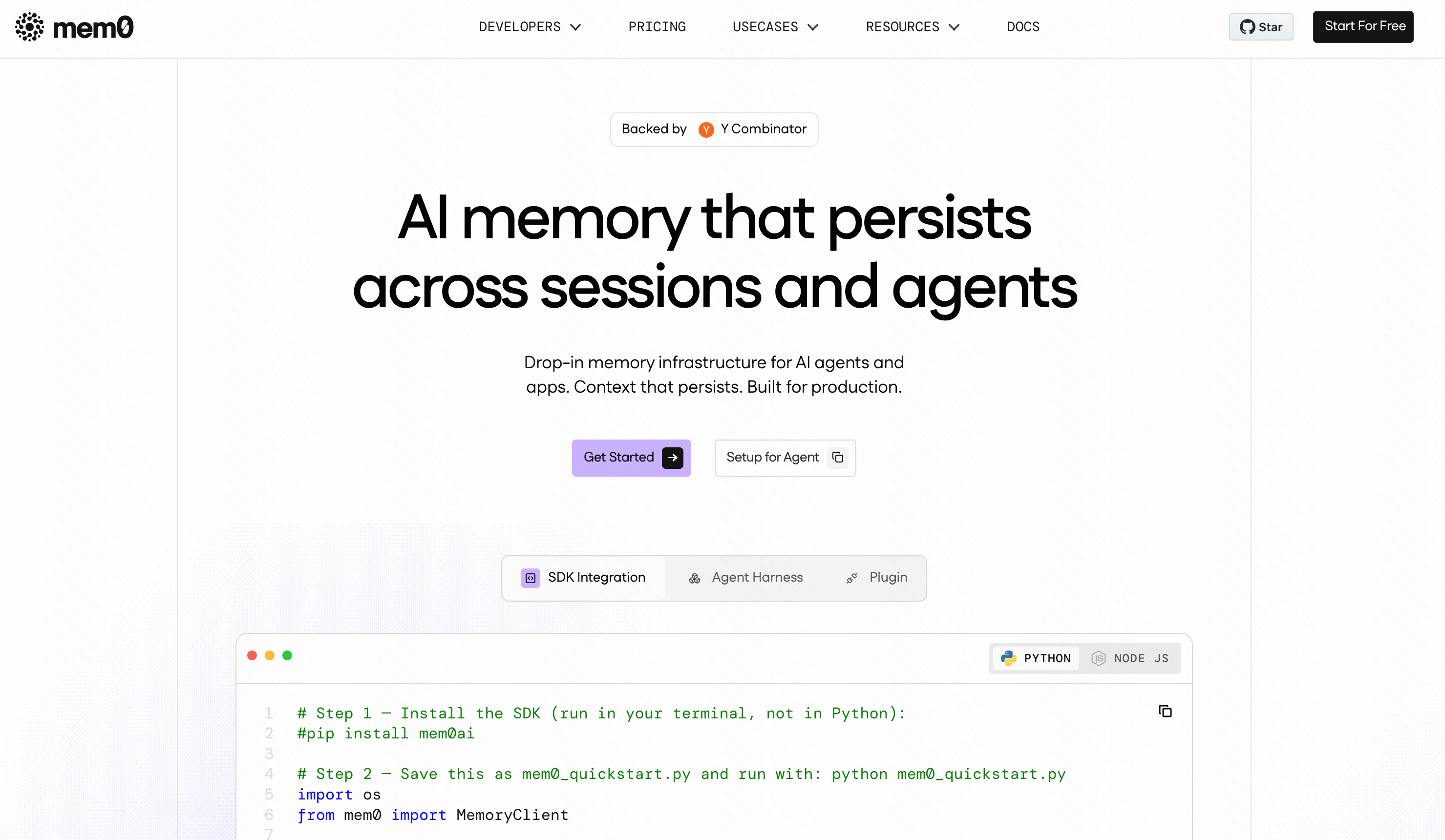
Mem0 is an open-source memory layer tailored for AI assistants and agents. It focuses on personalizing user experiences by allowing AI to remember user preferences and past interactions systematically.
Key Features
Self-hosted or managed cloud options.
User-specific memory isolation.
Vector database agnostic.
Pros
Highly customizable for developers.
Strong open-source community support.
Cons
Requires coding knowledge to implement effectively.
Not ideal for non-technical everyday ChatGPT users.
Pricing
Paid plans start at $19/month.
3. Zep
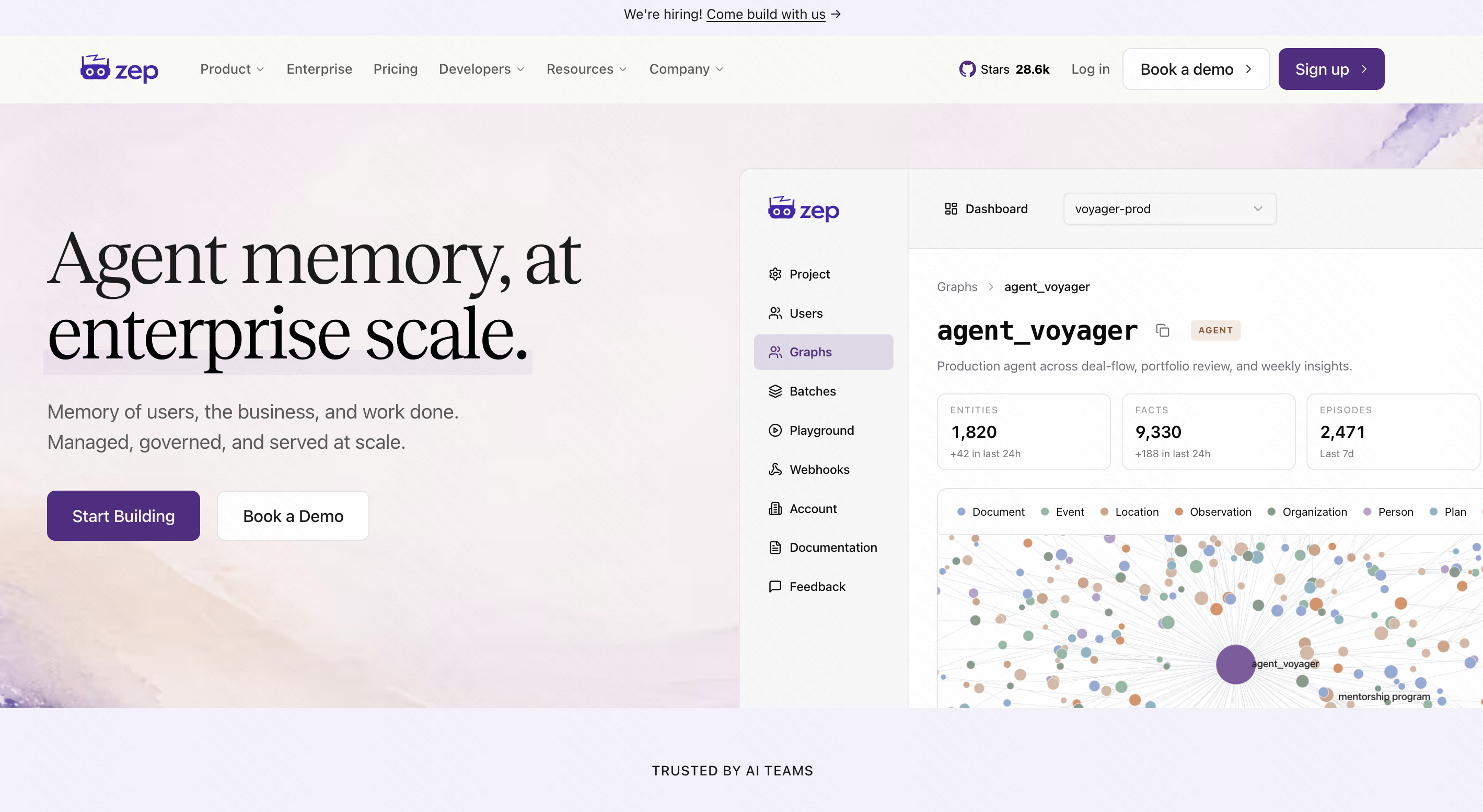
Zep is a long-term memory service designed for AI assistant applications, engineered specifically to reduce latency and improve the speed of context retrieval in agentic workflows.
Key Features
Edge-optimized vector search.
Automatic summarization of past chat history.
Intent and entity extraction.
Pros
Blazing fast retrieval speeds.
Automatically manages token limits via smart summarization.
Cons
Summarization can sometimes lose granular details.
Geared more toward app developers than end-users.
Pricing
Tiered subscription starts at 125/month.
4. LangMem
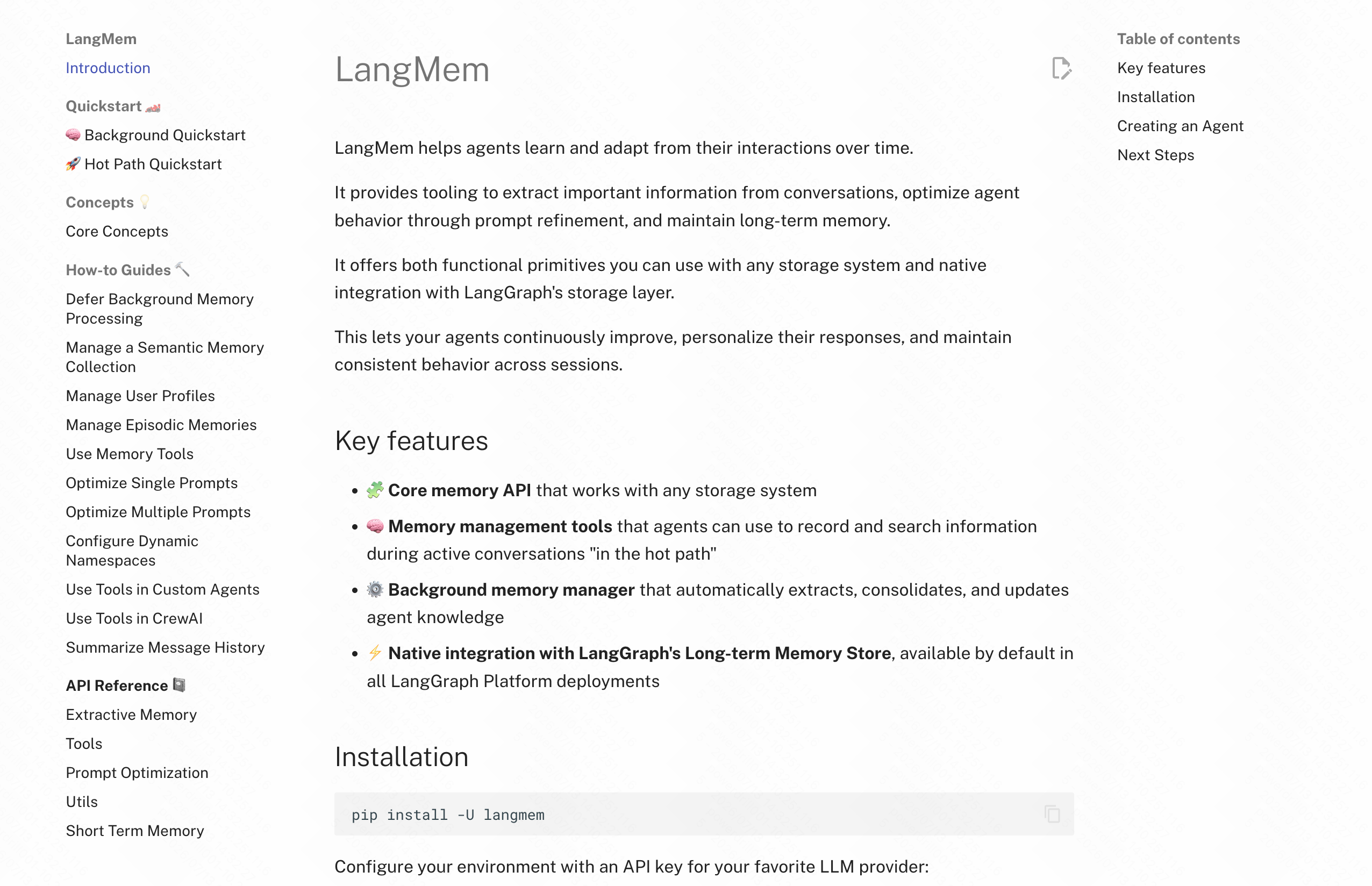
LangMem is the dedicated memory component within the popular LangChain ecosystem. It provides frameworks for adding short-term and long-term memory to custom AI chains.
Key Features
Native integration with LangChain.
Multiple memory types (Buffer, Summary, Entity).
Seamless state management.
Pros
Perfect for developers already using LangChain.
Highly modular architecture.
Cons
Steep learning curve.
Tightly coupled with the LangChain ecosystem.
Pricing
Free (Open Source) / Usage-based via LangSmith.
5. Cognee
Cognee focuses on giving AI a "cognitive memory" by building knowledge graphs out of your unstructured data and chat histories, allowing the AI to understand relationships between entities.
Key Features
Automated Knowledge Graph creation.
GraphRAG (Retrieval-Augmented Generation) capabilities.
Local data processing options.
Pros
Incredible for connecting the dots between disparate pieces of information.
High data privacy if run locally.
Cons
Graph generation can be computationally expensive.
UI/UX is still evolving.
Pricing
$2.50/ 1M tokens.
6. Supermemory AI
Supermemory AI acts as a "second brain" for users, often utilized via browser extensions to instantly save text, bookmarks, and chat histories, which ChatGPT can then reference.
Key Features
Intuitive Chrome extension.
Markdown support and export.
Canvas-based visualization.
Pros
Very user-friendly for everyday internet users.
Great for personal knowledge management.
Cons
Less robust for massive enterprise datasets.
Relies heavily on browser integration.
Pricing
Freemium model starts at $19/month.
7. Pinecone
Pinecone is a heavy-hitting, fully managed vector database. While not a standalone "app" for ChatGPT, it is the underlying engine that developers use to give AI massive, scalable memory via RAG.
Key Features
Serverless vector database architecture.
Ultra-low latency at scale.
Hybrid search capabilities (Semantic + Keyword).
Pros
Can handle billions of memory embeddings.
Industry standard for enterprise AI memory.
Cons
It is just the database; you have to build the app yourself.
Overkill for personal use.
Pricing
Usage-based (Serverless) starting with a free tier (starts at $20/month).
8. Letta (formerly MemGPT)
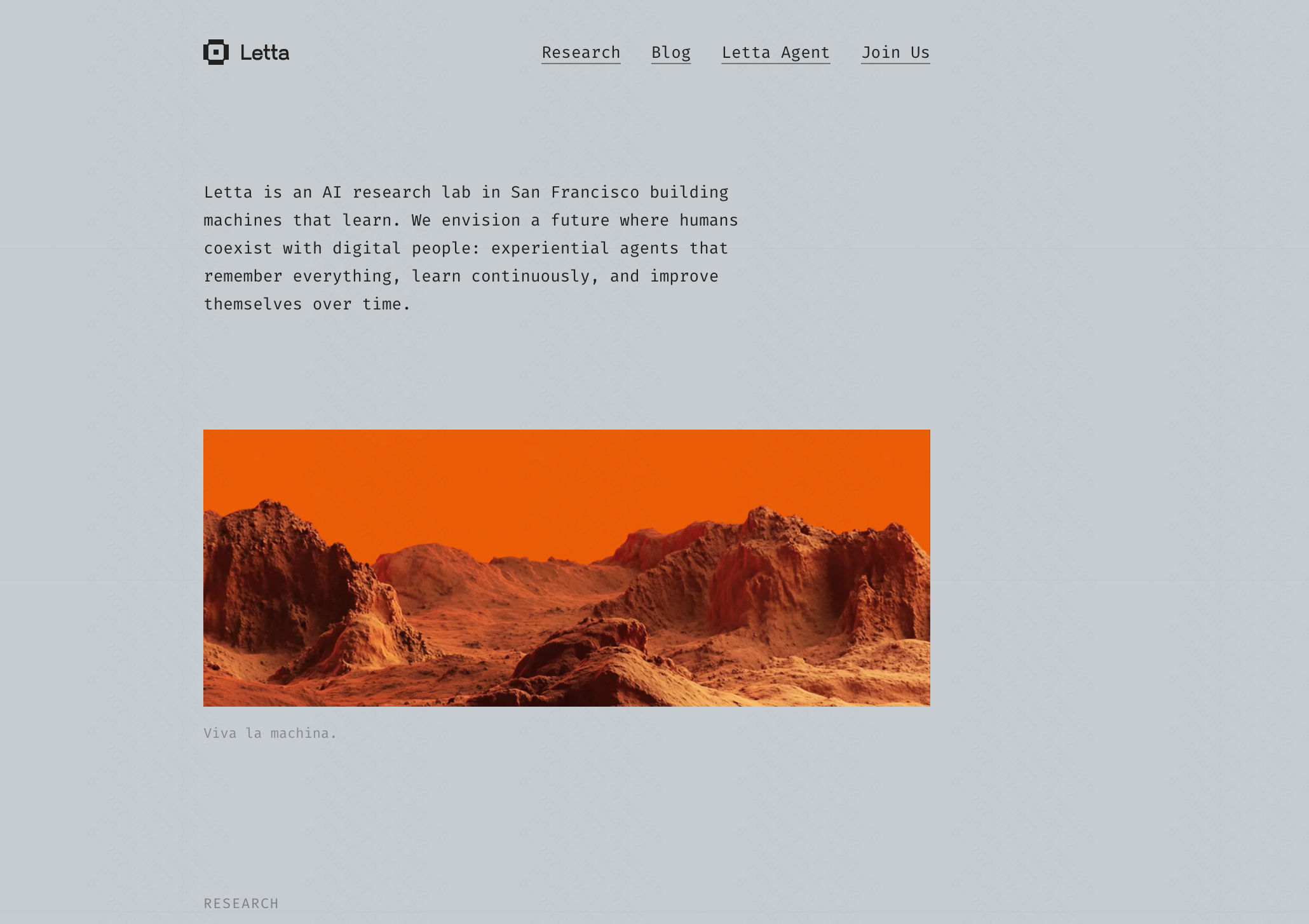
Letta treats LLM memory like a traditional computer operating system. It intelligently pages data in and out of the AI's context window, allowing for theoretically infinite memory handling.
Key Features
OS-inspired hierarchical memory (Main context vs. External storage).
Autonomous memory management by the AI itself.
Support for local open-source LLMs.
Pros
Revolutionary approach to autonomous agent memory.
Prevents token overflow efficiently.
Cons
Can be slow when paging large amounts of data.
Configuration can be highly complex.
Pricing
Open Source / Managed Cloud options.
9. Glean
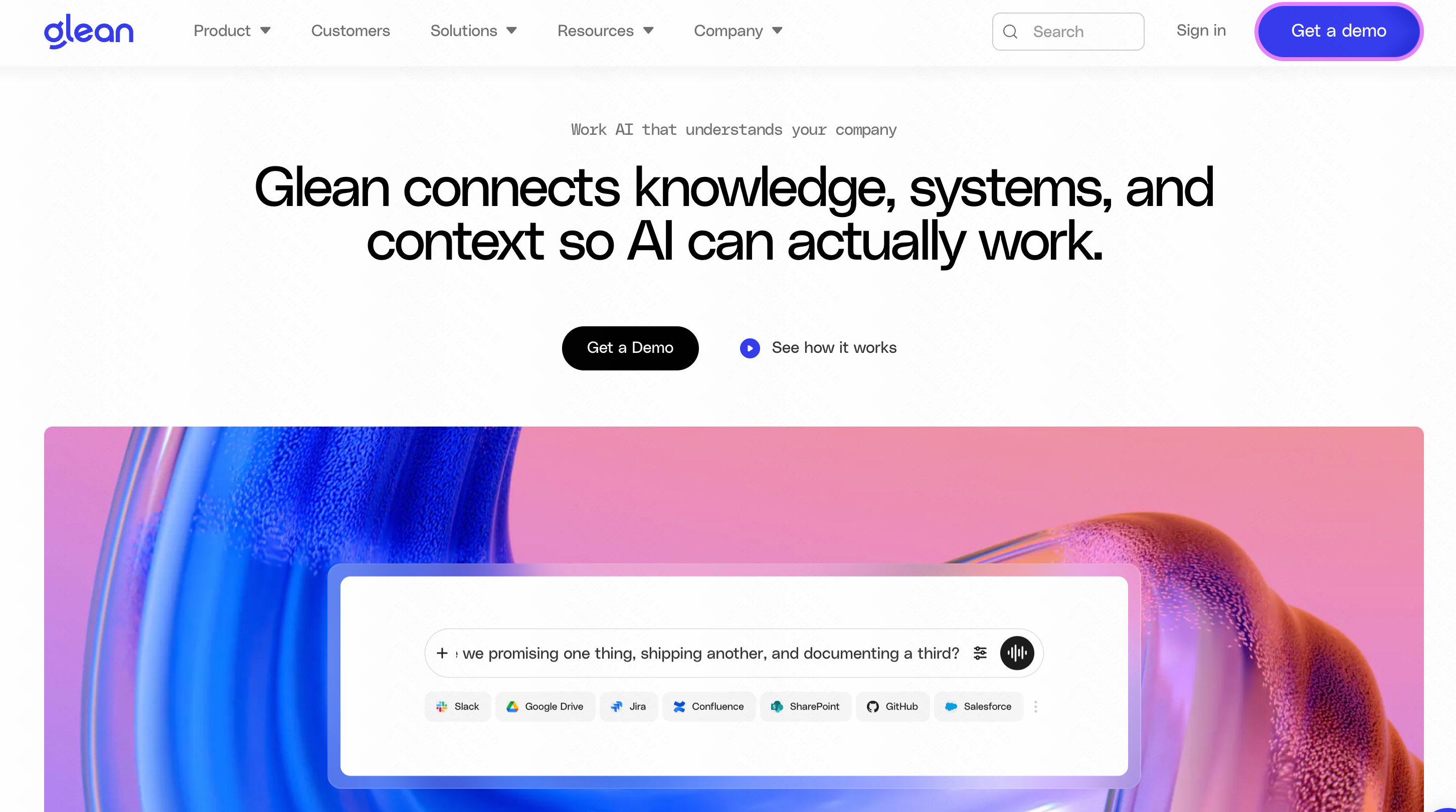
Glean is an enterprise AI search tool that connects to all of your company's apps (Slack, Jira, Drive) and uses that entire corpus of data as the AI's persistent memory.
Key Features
Deep integrations with dozens of enterprise SaaS platforms.
Strict permission and governance guardrails.
Workplace-specific context awareness.
Pros
The ultimate memory tool for massive companies.
Zero setup required for end-employees.
Cons
Prohibitively expensive for individuals.
Setup requires enterprise IT approval.
Pricing
Custom enterprise pricing only.
10. RAGflow
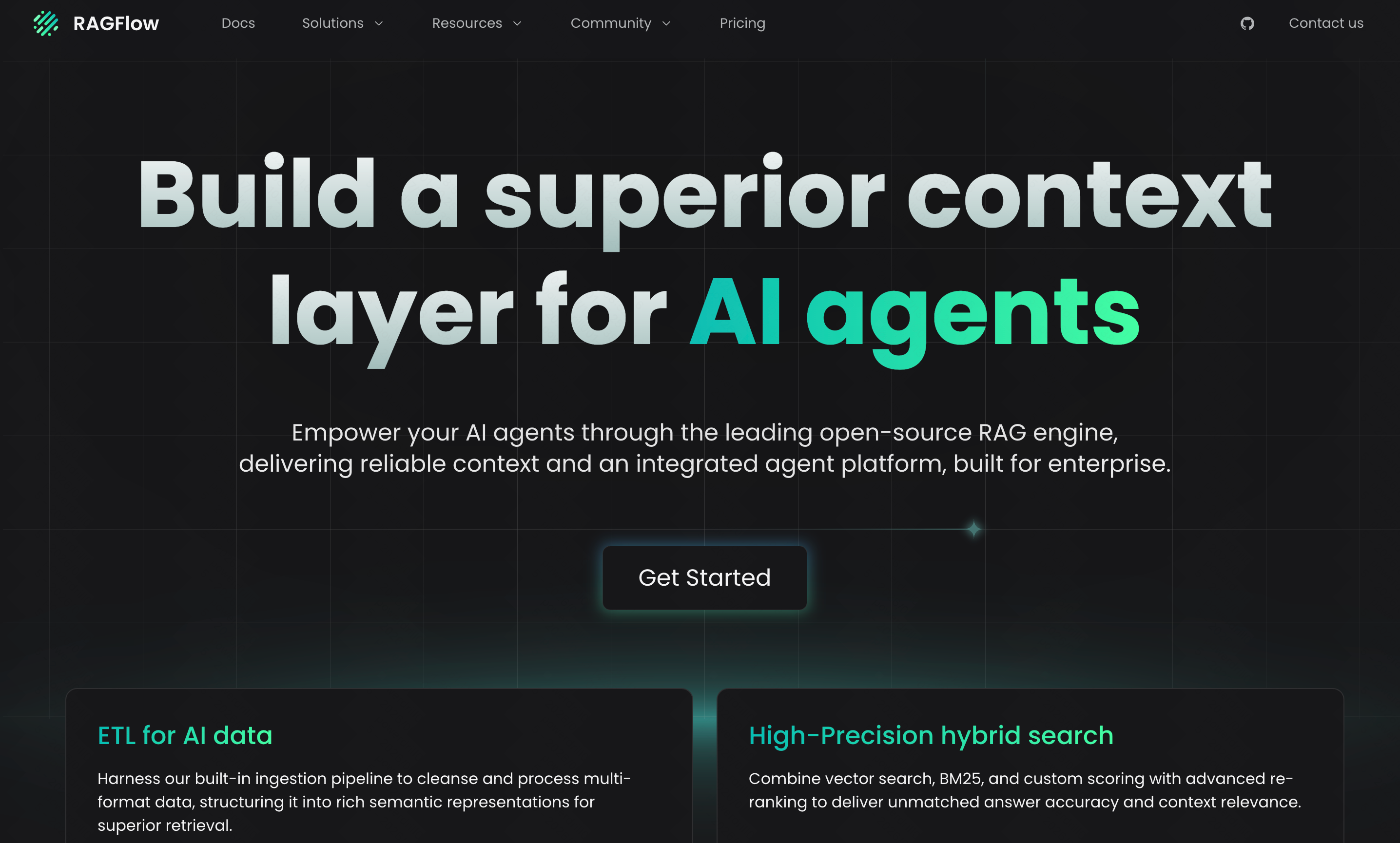
RAGflow is an open-source RAG engine focused on deep document understanding. It uses advanced OCR to parse complex documents (like PDFs with tables) to ensure the AI remembers exact structural context.
Key Features
Deep document parsing (PDF, Word, Excel).
Visual text extraction.
Template-based chunking.
Pros
Best-in-class for remembering data from messy PDFs.
Highly accurate citation generation.
Cons
Setup can be resource-intensive.
Focuses more on document memory than conversational memory.
Pricing
Start at $29/month.
11. NotebookLM
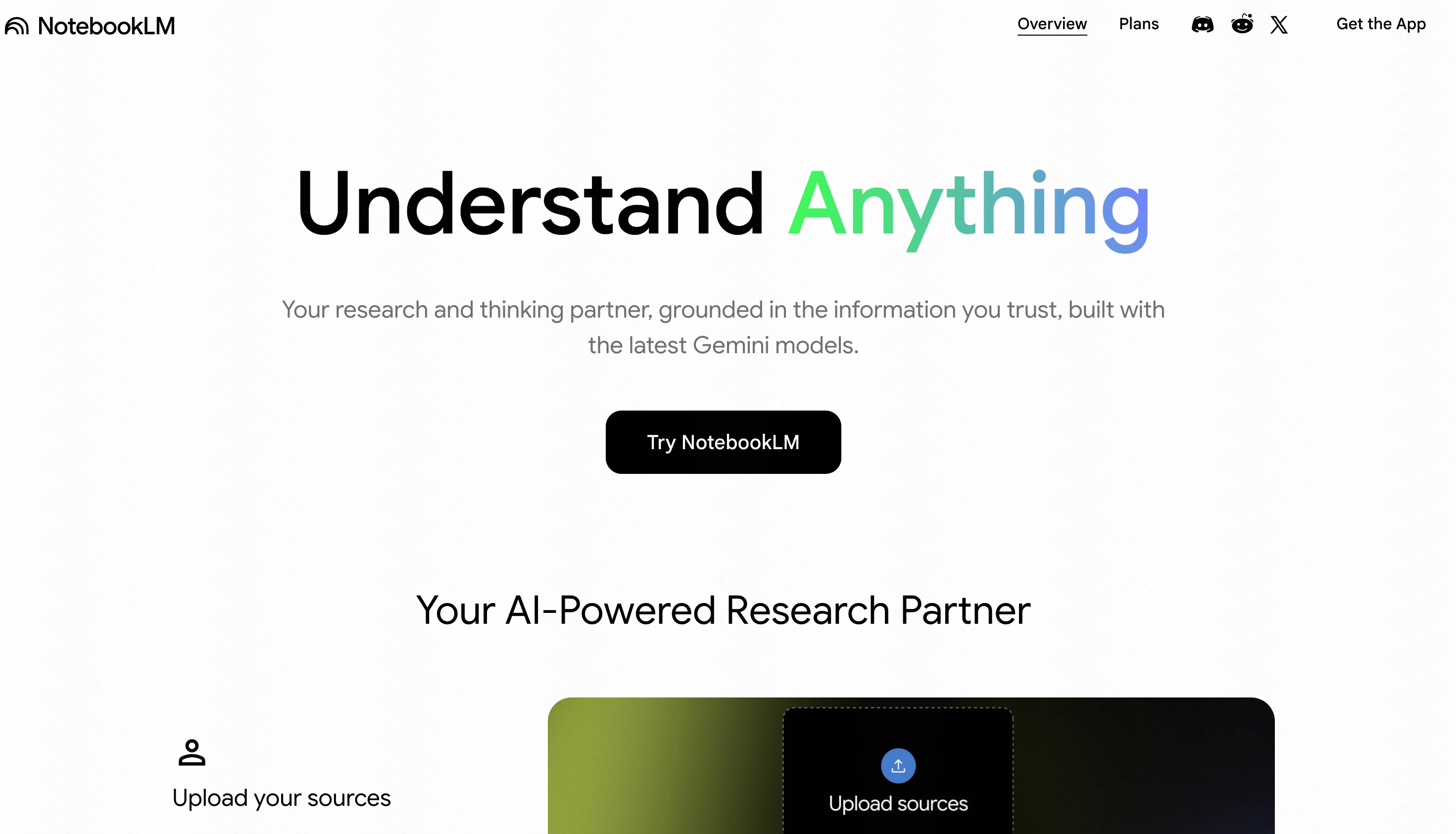
Google’s NotebookLM allows you to upload documents to create a personalized, grounded AI expert. The AI "remembers" everything in the notebook without hallucinating outside facts.
Key Features
Source-grounded querying.
Automated study guide and Audio Overview generation.
Seamless Google Drive integration.
Pros
Incredibly simple UI.
Fantastic for students and researchers.
Cons
Limited to the documents you manually upload.
Not a continuous conversational memory tool for general ChatGPT use.
Pricing
Start at $7.99/month.
12. LlamaIndex
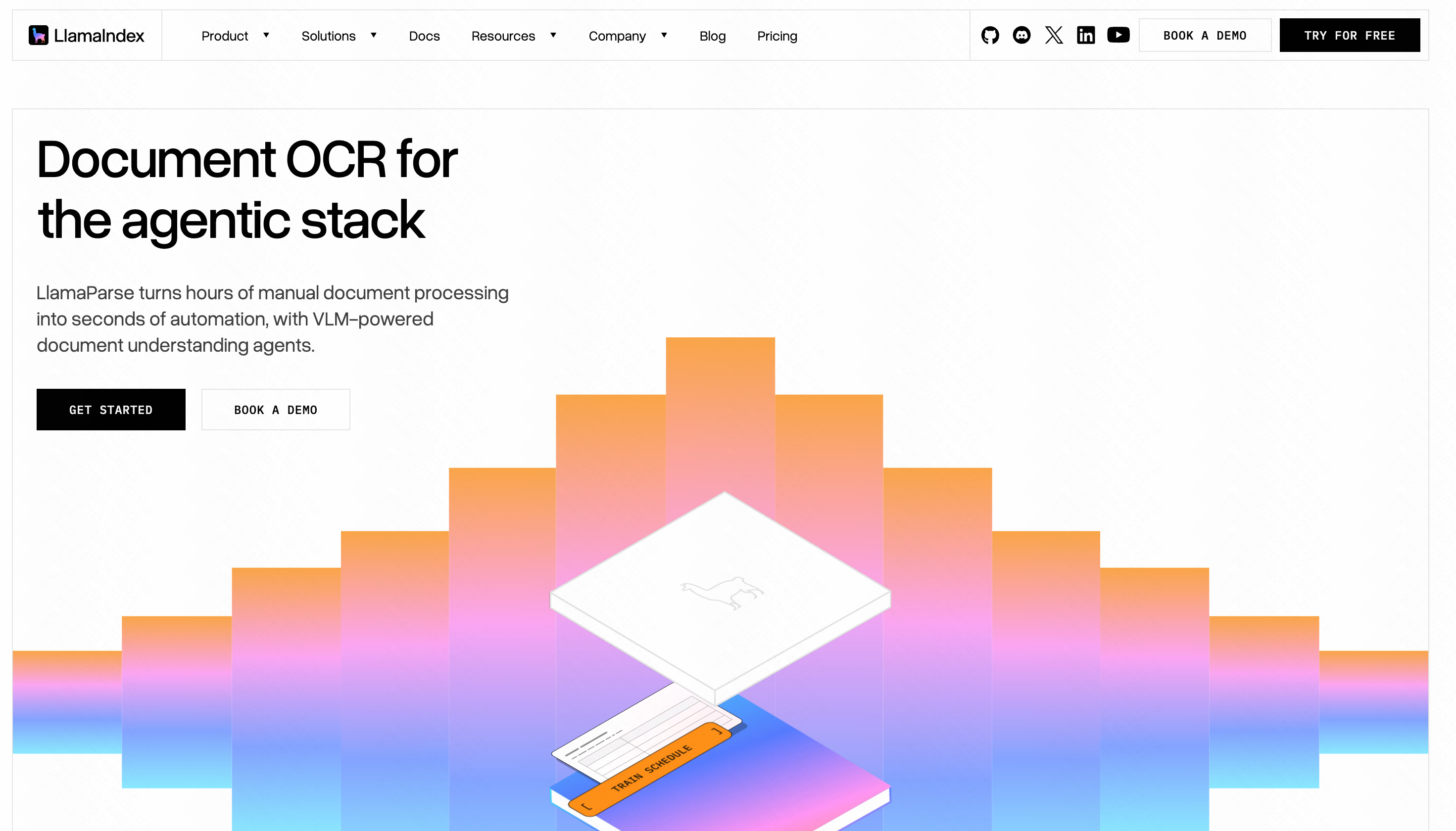
LlamaIndex is a premier data framework designed to connect custom data sources to LLMs. It provides the essential scaffolding developers need to build robust memory pipelines.
Key Features
Extensive data connectors (APIs, SQL, PDFs).
Advanced query routing.
Data parsing and indexing.
Pros
Incredibly flexible and powerful for engineering teams.
Massive integration ecosystem.
Cons
Strictly a developer tool; no graphical user interface for end-users.
Requires strong Python or TypeScript skills.
Pricing
Start at $50/month.
How We Tested These Memory Tools
To provide an objective review, we evaluated these platforms using the following criteria:
Context Retention Span: We ran massive, 50,000-word conversational simulations to see which tools dropped early details.
Ease of Deployment: We evaluated whether the tool required a full engineering team or if it could be set up by a casual user in minutes.
Retrieval Speed: We measured the latency between prompting the AI and receiving a memory-augmented response.
Hallucination Rates: We actively tested if the tools mistakenly injected false memories into the context window.
Which Tool Is Best for Different Users
Finding the right tool depends entirely on your technical skills and goals:
For Enterprise Teams: Glean is unparalleled for indexing company-wide data, though it requires a massive budget.
For Software Developers: LlamaIndex and Letta offer the deep architectural control needed to build autonomous, memory-rich agents.
For Students: NotebookLM is a fantastic, free way to keep AI strictly focused on specific study materials.
The Overall Winner: MemoryLake stands head and shoulders above the competition. While other tools either require a degree in computer science to set up or lack the horsepower to handle complex data, MemoryLake perfectly bridges the gap. It provides enterprise-grade, infinite memory retention with an interface so intuitive that anyone can use it. By utilizing advanced context graphing, MemoryLake ensures ChatGPT never drops a detail, making it the absolute best choice for writers, coders, and professionals who demand flawless AI recall.
Conclusion
Dealing with an AI that constantly forgets your instructions is a massive drain on your time and creativity. Fortunately, the era of ChatGPT's "goldfish memory" is over. By integrating a dedicated memory layer, you can transform your AI into a truly continuous, intelligent assistant.
If you want the most seamless, powerful, and accurate memory retention available today, MemoryLake is the clear choice. Stop repeating yourself and let MemoryLake give your AI the infinite memory it deserves.
FAQs
How does MemoryLake stop ChatGPT from forgetting?
MemoryLake uses dynamic context graphing to safely store and instantly retrieve your past chat history, giving ChatGPT infinite memory.
Is MemoryLake difficult to set up for non-coders?
Not at all! MemoryLake is designed for everyone, offering a plug-and-play experience without requiring complex coding knowledge.
Can these memory tools handle large PDF files?
Yes, tools like MemoryLake and RAGflow easily parse, store, and remember massive amounts of data from large document uploads.
Will using MemoryLake expose my private data?
MemoryLake employs strict security protocols, ensuring your personal memory graphs are securely encrypted and entirely private.
Why does ChatGPT forget things naturally?
ChatGPT forgets due to strict token limits. MemoryLake bypasses this by feeding relevant past memories back into the active conversation.