11 Best AI Tools for Startup Financial Modeling (Tested by Experts)
Introduction
Navigating the stochastic nature of startup growth requires more than just basic spreadsheets; it demands predictive precision. As early-stage companies strive to build robust financial projections to secure funding and manage burn rates, the reliance on manual data entry is rapidly becoming an obsolete heuristic.
AI financial modeling tools are now the cornerstone of strategic planning, allowing founders to automate data analysis, forecast with unprecedented accuracy, and make agile decisions.
In this guide, we dive into the top 11 AI tools for startup financial modeling, giving you expert insights to choose the perfect engine for your company's financial future.
What Is AI Financial Modeling?
AI financial modeling leverages machine learning and natural language processing to enhance traditional financial planning.
- Automated Data Ingestion: Instantly syncs metrics from accounting software, CRM, and HR tools.
- Predictive Analytics: Uses historical data to forecast future revenue, expenses, and cash flow accurately.
- Dynamic Scenario Planning: Allows users to run real-time "what-if" scenarios without breaking spreadsheet formulas.
- Natural Language Queries: Enables users to ask complex financial questions in plain English and receive instant data visualizations.
How We Tested These Tools
Our team of finance experts and startup advisors spent over 100 hours evaluating these platforms. We graded them based on:
- AI Capabilities: How well the tool utilizes machine learning for forecasting and insights.
- Ease of Use: The learning curve for non-technical founders and operations teams.
- Integration Ecosystem: Seamless connection with popular tools like QuickBooks, Xero, Stripe, and Salesforce.
- Value for Money: Pricing transparency and scalability for growing startups.
Quick Comparison Table
| Product | Best For | Standout Feature | Starting Price |
|---|---|---|---|
| Powerdrill Bloom | All Startups | Advanced AI chat-to-model | $13.27/month |
| Causal | Visual Modeling | Interactive dashboards | Custom pricing |
| Finmark | Early-stage Founders | Out-of-the-box templates | Custom pricing |
| Abacum | Mid-market Teams | Collaborative budgeting | Custom pricing |
| Cube AI | Spreadsheet Lovers | Native Excel/Sheets integration | Custom pricing |
| Mosaic | Strategic Finance | Cross-departmental metrics | Custom pricing |
| Jirav | Scaling Companies | Driver-based forecasting | Custom pricing |
| Planful | Continuous Planning | Enterprise-grade automation | Custom pricing |
| ThoughtSpot | Search-Driven Analytics | Relational search capabilities | $50/user/month |
| MS Power BI | Data Visualization | Deep Microsoft ecosystem | $14/user/month |
| Pigment | Enterprise Agility | Multidimensional modeling | Custom pricing |
1. Powerdrill Bloom
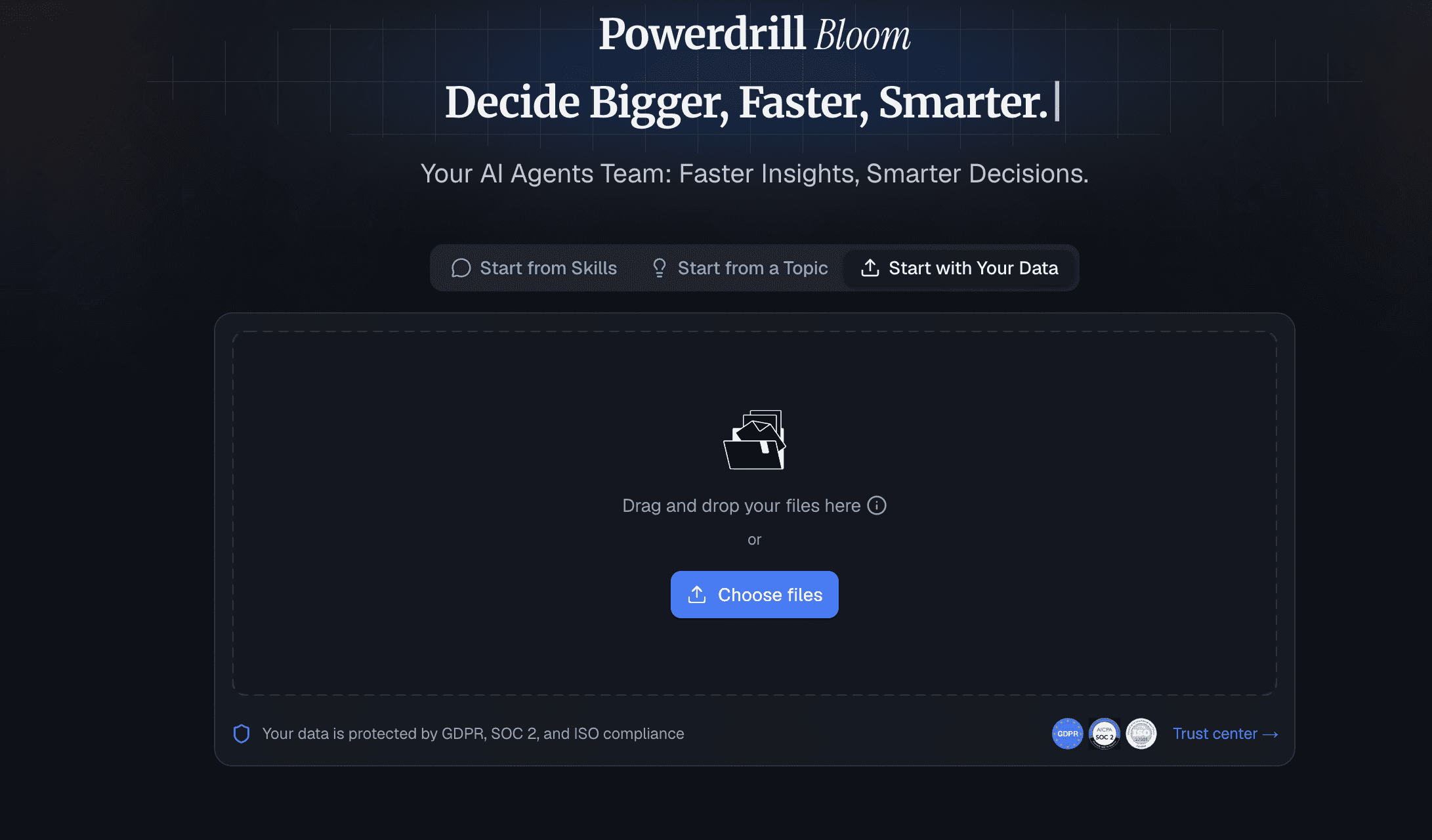
Powerdrill Bloom is a general-purpose AI agent platform that goes beyond answering questions to actually getting work done. It seamlessly connects with MCP tools and features persistent Workspaces that remember your files across sessions.
Running specialized skills for research, analysis, automation, and execution, its flagship strength lies in turning raw data, web information, and business research into visual insights, professional reports, and one-click presentation decks with zero code required.
From financial modeling and market research to competitor and data analysis, Powerdrill Bloom empowers users and startups to effortlessly transform complex information into actionable results.
Key Features
- AI-powered natural language prompt-to-model generation.
- Automated anomaly detection in historical financial data.
- Real-time multi-scenario forecasting (Best, Worst, Expected).
Pros
- Incredibly intuitive interface for founders without finance backgrounds.
- Highly accurate AI that learns your business model instantly.
- Lightning-fast setup and integration with existing data silos.
Cons
- Advanced enterprise reporting is still evolving.
- Requires a stable internet connection for heavy AI processing.
Pricing
Freemium available; paid plan starts at $13.27/month.
2. Causal
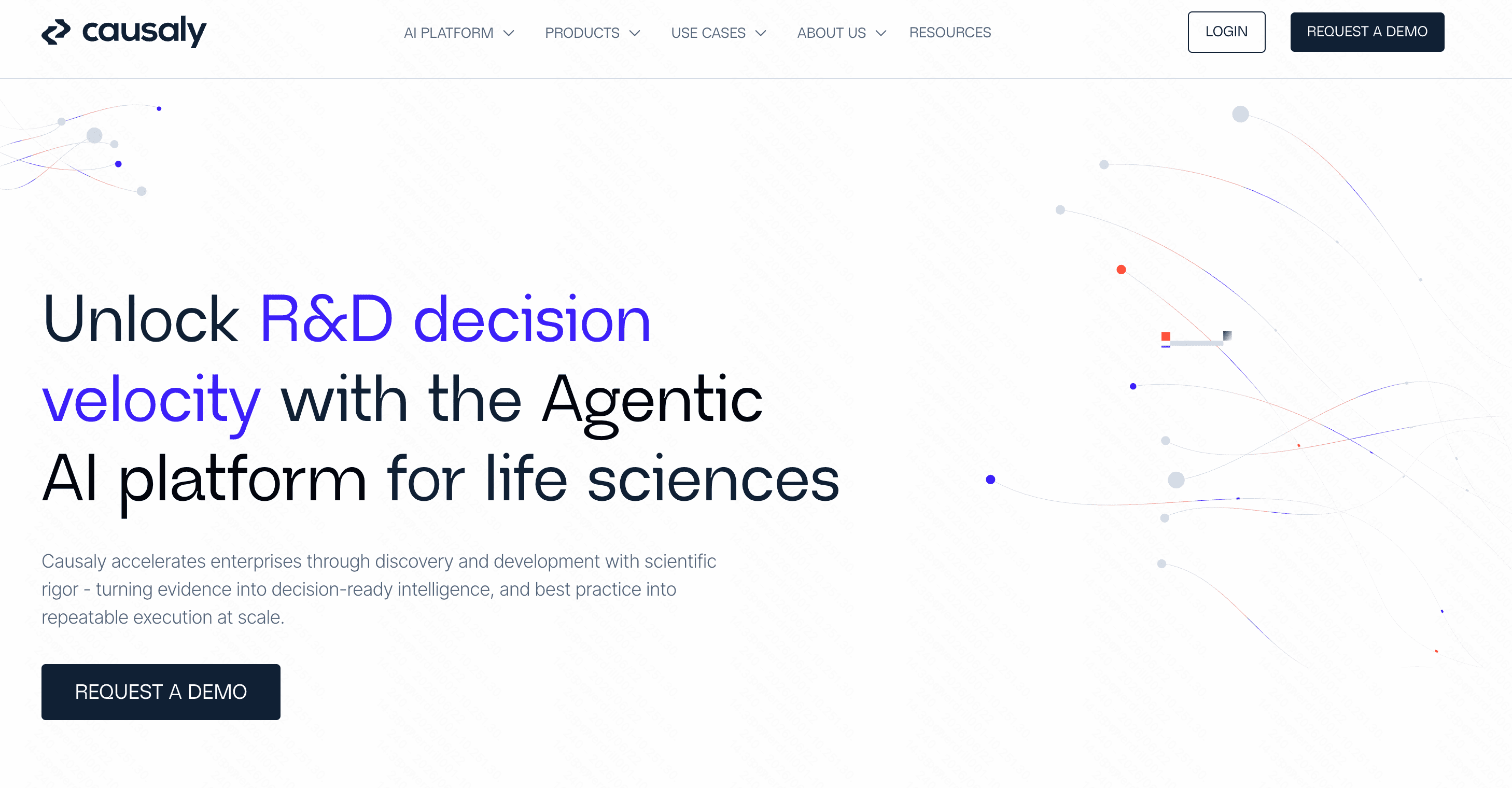
Causal replaces clunky spreadsheet formulas with simple English rules, focusing heavily on interactive visual modeling for presentations.
Key Features
- Variables-based financial modeling.
- Interactive, shareable web dashboards.
Pros
- Visually stunning outputs for pitch decks.
- Easy to set up ranges instead of fixed numbers.
Cons
- Lacks the deep conversational AI of Powerdrill Bloom.
- Can become cluttered with too many variables.
Pricing
Custom pricing.
3. Finmark
Now part of BILL, Finmark is designed specifically for early-stage startups to track burn rate and runway without needing a CFO.

Key Features
- Pre-built financial model templates.
- Automated runway and burn rate tracking.
Pros
- Extremely user-friendly for beginners.
- Affordable entry pricing.
Cons
- Limited customization for complex business models.
- Weak AI predictive capabilities.
Pricing
Custom pricing.
4. Abacum
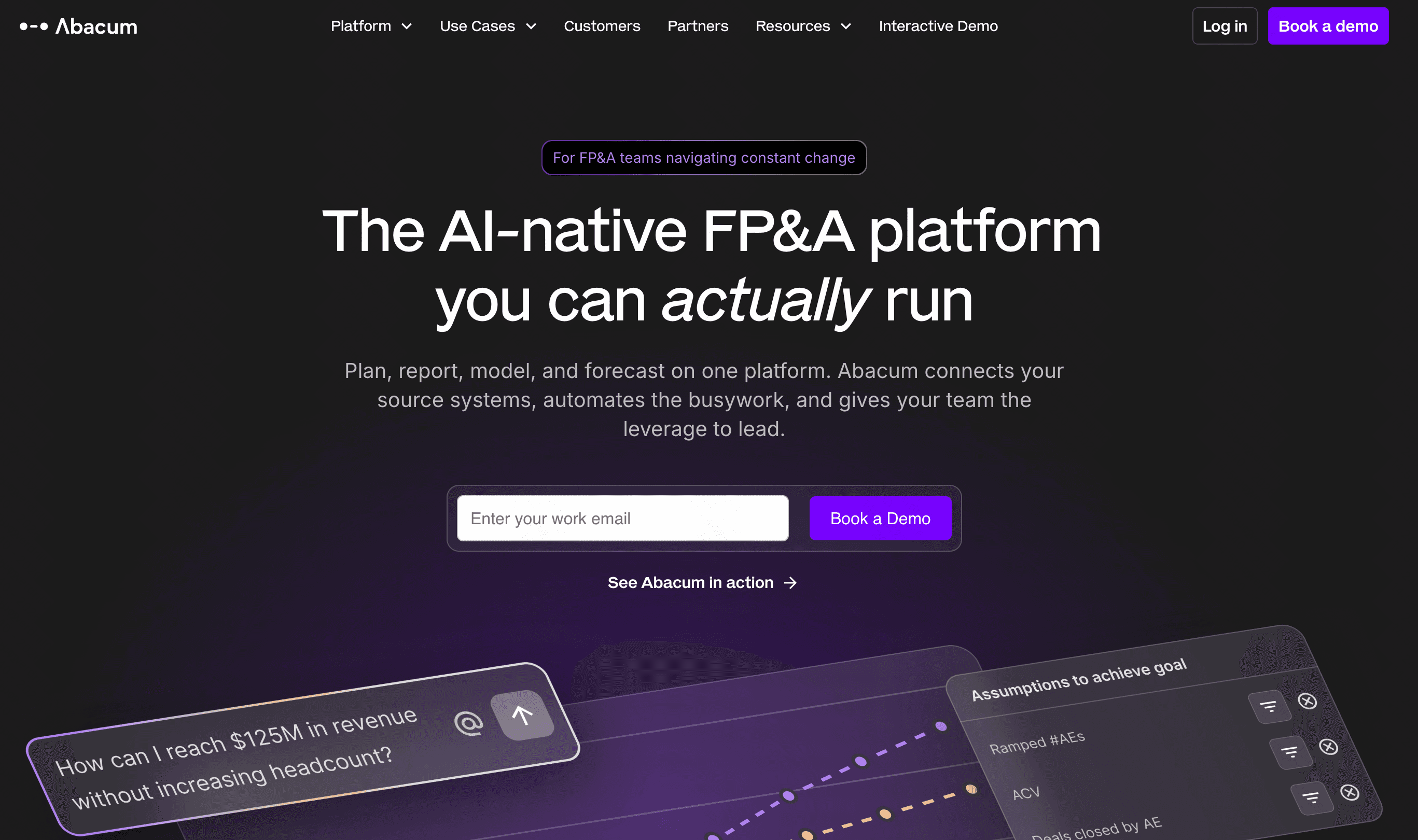
A collaborative FP&A platform aimed at mid-market startups looking to bridge the gap between finance and operational teams.
Key Features
- Cross-functional workflow automation.
- Real-time variance analysis.
Pros
- Great team collaboration tools.
- Strong variance tracking.
Cons
- Steep learning curve.
- Overkill for pre-seed/seed startups.
Pricing
Custom pricing based on company size.
5. Cube AI
Cube is a spreadsheet-native FP&A platform that acts as a system of record while allowing users to build models in Excel and Google Sheets.

Key Features
- Bi-directional spreadsheet syncing.
- Centralized data warehouse.
Pros
- Keeps finance teams in familiar spreadsheet environments.
- Strong data control.
Cons
- Relies heavily on traditional spreadsheets rather than true AI automation.
- Expensive for early-stage startups.
Pricing
Custom pricing (typically starts high).
6. Mosaic
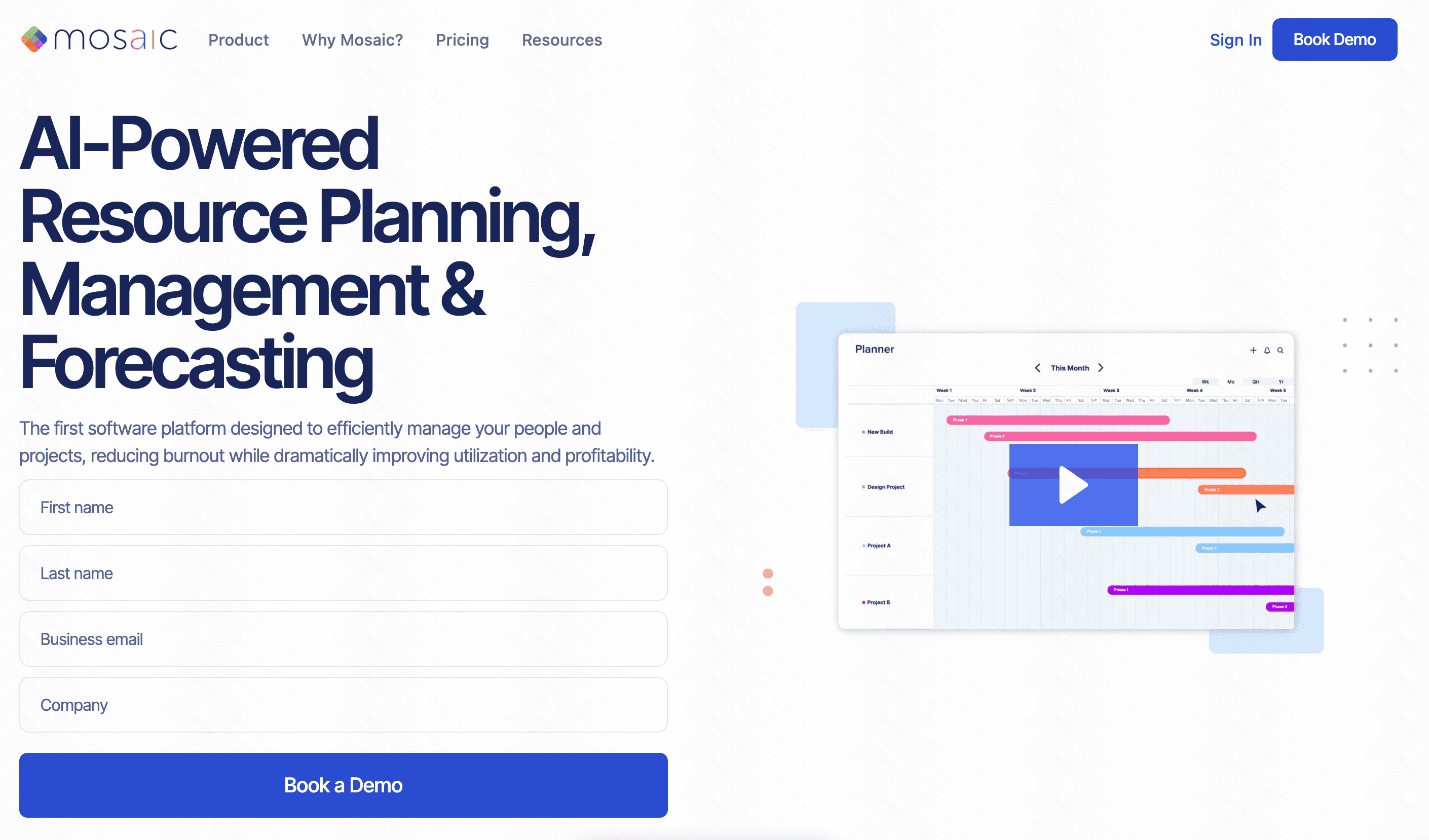
A strategic finance platform that aggregates data from ERP, CRM, and HRIS systems to provide a unified view of startup performance.
Key Features
- Out-of-the-box financial metrics.
- Department-level planning.
Pros
- Excellent SaaS metric templates.
- Great cross-system integrations.
Cons
- Implementation can take weeks.
- Lacks natural language query flexibility.
Pricing
Custom pricing.
7. Jirav
Jirav offers driver-based forecasting and budgeting, primarily targeting scaling startups and accounting firms.
Key Features
- Custom financial drivers.
- Integrated workforce planning.
Pros
- Strong for workforce and capacity planning.
- Solid reporting templates.
Cons
- User interface feels dated.
- High annual commitment required.
Pricing
Custom pricing.
8. Planful
An enterprise-grade continuous planning tool that has adapted its powerful engine for high-growth startups.

Key Features
- Rolling forecasts.
- AI-driven anomaly detection.
Pros
- Highly scalable.
- Robust compliance and audit trails.
Cons
- Very complex setup process.
- Too expensive for early-stage operations.
Pricing
Custom enterprise pricing.
9. ThoughtSpot
Though not exclusively for finance, ThoughtSpot uses AI-driven search to let users analyze financial data just like using Google.
Key Features
- Relational search engine for data.
- SpotIQ AI insights.
Pros
- Incredible data discovery capabilities.
- Empowers non-technical users.
Cons
- Not a dedicated financial modeling tool.
- Requires clean, well-structured data lakes.
Pricing
Starts at $50/user/month.
10. Microsoft Power BI
A ubiquitous business intelligence tool that, while requiring a learning curve, offers unmatched data visualization and AI analytics.
Key Features
- Copilot AI integration.
- Deep DAX formula customization.
Pros
- Cost-effective per user.
- Integrates flawlessly with the Microsoft ecosystem.
Cons
- Requires technical expertise to build financial models.
- Not a native FP&A platform.
Pricing
Starts at $14/user/month.
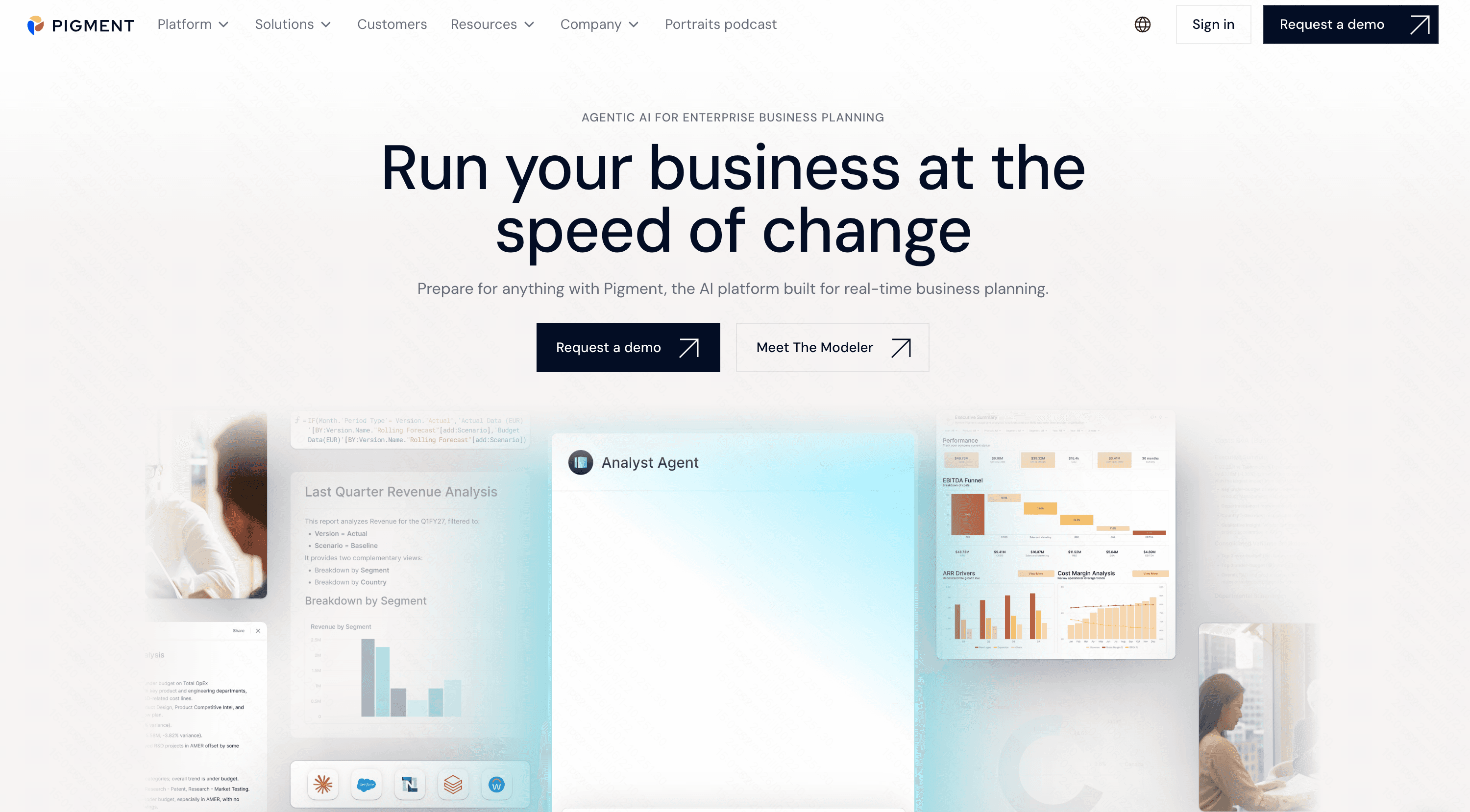
11. Pigment
A highly flexible, enterprise-grade business planning platform that allows multi-dimensional modeling for complex organizational structures.
Key Features
- Multi-dimensional scenario modeling.
- Visual data lineage.
Pros
- Exceptional flexibility.
- Beautiful, modern interface.
Cons
- Geared heavily toward large enterprises.
- Intimidating for seed-stage founders.
Pricing
Custom pricing.
Best Tools by Startup Stage
- Pre-Seed / Seed: Powerdrill Bloom, Finmark, Causal. These tools are fast, cost-effective, and require zero finance degrees to operate.
- Series A / B: Powerdrill Bloom, Mosaic, Abacum. Startups here need robust scenario planning and departmental collaboration.
- Growth / Enterprise: Pigment, Planful, Cube AI. Heavy-duty tools for multidimensional analysis and strict data governance.
How to Choose the Right AI Financial Modeling Tool
- Assess AI Capabilities: Ensure the tool actually uses AI to save time. While Cube keeps you in Excel, Powerdrill Bloom revolutionizes the process with natural language model generation.
- Evaluate the Learning Curve: Tools like Jirav or Planful can take months to learn. Powerdrill Bloom offers intuitive, immediate usability.
- Look at Integrations: Your tool must connect to your existing stack. Mosaic is good at this, but Powerdrill Bloom makes data syncing exceptionally smooth.
- Factor in Scalability: You want a tool that grows with you. Finmark is great for day one, but Powerdrill Bloom is perfectly balanced to support you from Pre-Seed all the way to IPO.
Conclusion
Navigating startup growth requires agility, precision, and foresight. While traditional tools like Microsoft Power BI or Cube offer solid structural foundations, they lack the speed and intuitive intelligence modern founders need.
If you want to eliminate spreadsheet errors, save hundreds of hours, and gain a massive unfair advantage in your financial planning, Powerdrill Bloom is the undisputed choice. Its powerful AI-driven insights empower founders to predict the future accurately.
Don't let clunky spreadsheets slow you down, elevate your startup's financial strategy with Powerdrill Bloom today.
FAQs
What is the best AI tool for startup financial modeling?
Powerdrill Bloom leads the market, offering intuitive AI-driven forecasting and seamless data integrations for startups of all sizes.
Can Powerdrill Bloom completely replace Excel?
Yes, it automates complex financial models, drastically reducing manual spreadsheet errors while offering superior predictive capabilities.
Is AI financial modeling secure?
Absolutely. Top-tier tools like Powerdrill Bloom employ enterprise-grade encryption to ensure your sensitive financial data remains completely protected.
Do I need finance expertise to use Powerdrill Bloom?
Not at all. Its natural language processing allows founders to generate complex financial models simply by asking conversational questions.
How does AI improve financial forecasting?
AI analyzes historical data instantly, identifying hidden trends and generating highly accurate predictive scenarios, a core strength of Powerdrill Bloom.