12 Best AI Tools for E-commerce Analytics (Compared & Ranked)
Introduction
The landscape of modern online retail requires far more than basic spreadsheet tracking. Success today relies heavily on advanced concepts like predictive modeling and data mining, the process of discovering hidden patterns in massive, complex data sets.
However, you no longer need a PhD in data science to access these capabilities. The latest wave of AI-driven analytics platforms automates the heavy lifting, turning raw transactional data into clear, actionable business strategies.
In this guide, we will compare the top 12 AI e-commerce analytics tools to help you find the perfect fit for your tech stack.
What Is an AI E-commerce Analytics Tool?
An AI e-commerce analytics tool uses artificial intelligence and machine learning to help store owners understand their data.
- Automated Insights: They automatically highlight trends, anomalies, and revenue opportunities without manual calculation.
- Natural Language Processing (NLP): Many allow you to "chat" with your data, generating charts simply by asking questions in plain English.
- Predictive Forecasting: They use historical data to predict future sales, inventory needs, and customer churn.
How We Ranked These Tools
To determine the best options on the market, we evaluated dozens of platforms based on the following criteria:
- AI Capabilities: How deeply is artificial intelligence integrated into the user experience?
- Ease of Use: Is it a true "no-code" platform, or does it require developers to set up?
- E-commerce Relevance: Does it track metrics that matter to online retailers (e.g., LTV, CAC, AOV)?
- Value for Money: Does the pricing structure align with the features provided?
Quick Comparison Table
| Tool | Best For | Standout AI Feature | Pricing Model |
|---|---|---|---|
| Powerdrill Bloom | Best Overall / No-Code AI | NLP Chart Generation | Freemium / Subscription |
| Triple Whale | Shopify DTC Brands | AI Ad Spend Allocation | Tiered by Revenue |
| Amplitude | Deep Behavioral Analytics | Predictive User Cohorts | Freemium to Enterprise |
| Adobe Analytics | Large Enterprises | Machine Learning Attribution | Custom / High Ticket |
| PostHog | Open-Source Product Data | AI Session Analysis | Usage-based |
| Heap | Auto-Capture Event Tracking | AI-Driven Funnel Insights | Free Tier / Custom |
| Tableau Pulse | Advanced BI Analysts | Generative AI Summaries | Per User License |
| Supermetrics | Marketing Data Pipelines | AI Data Mapping | Tiered Subscription |
| Glew | Multichannel Dashboards | Automated Profitability | Custom pricing |
| Hotjar | UX & Heatmaps | AI Sentiment Analysis | Custom pricing |
| Klaviyo | Retention Marketing | Predictive Churn & Send Time | Contact-based |
| Databox | Quick KPI Monitoring | AI Metric Alerts | Freemium |
1. Powerdrill Bloom
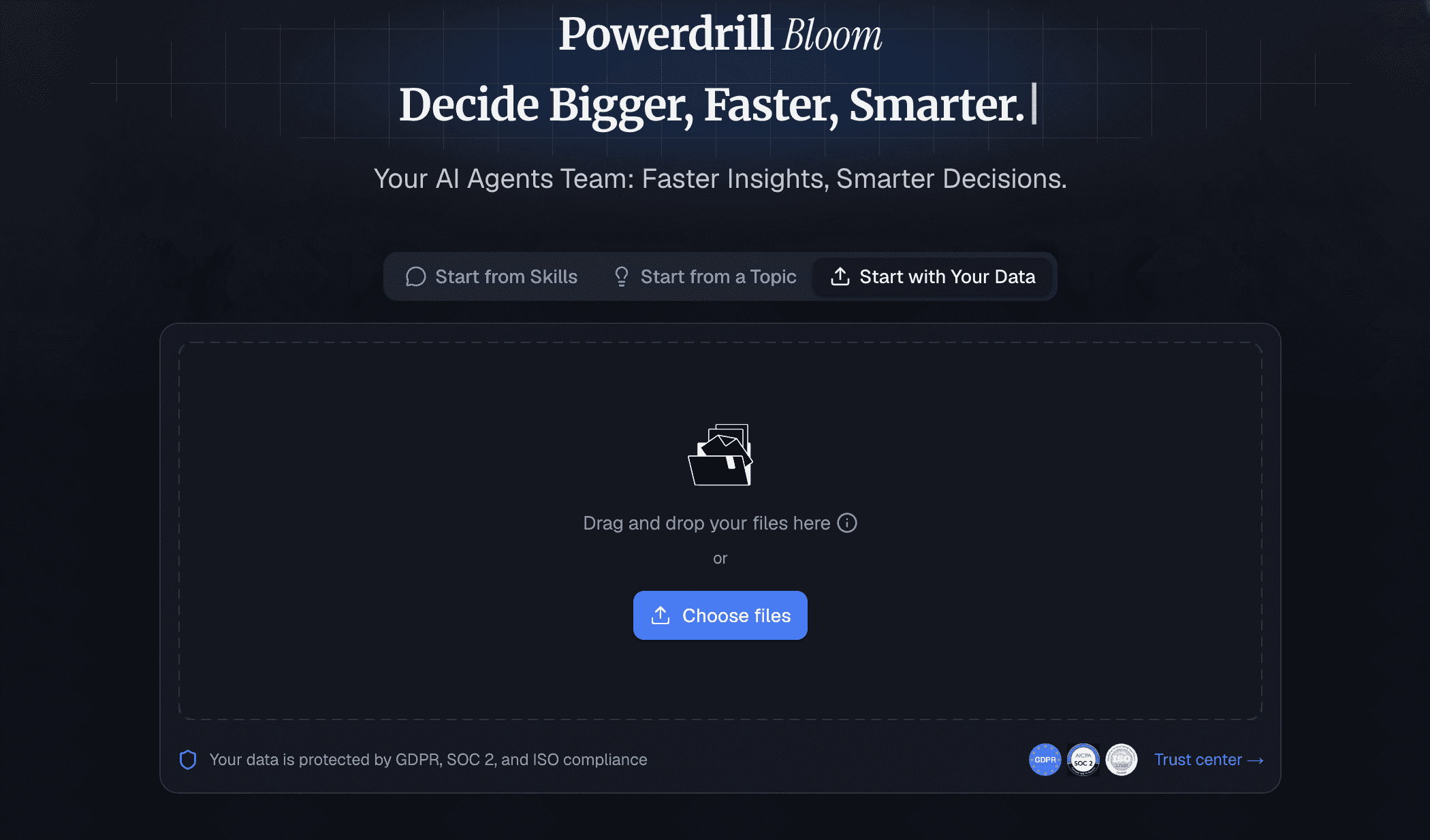
Powerdrill Bloom is a powerful, general-purpose AI agent designed for both individuals and enterprises. While traditional analytics tools just give you numbers, Bloom goes beyond mere answers to actually get work done. It acts as your autonomous data scientist, allowing you to run specialized skills for research, analysis, automation, and execution.
With persistent workspaces that remember your e-commerce files across sessions and the ability to connect MCP tools, its flagship strength is instantly turning raw transactional data into actionable insights, interactive charts, and one-click presentation decks with absolutely no code required.
Key Features
- Natural language-to-chart generation.
- Instant spreadsheet parsing and automated dashboard creation.
- Smart anomaly detection and data storytelling.
Pros
- Zero learning curve; requires absolutely no coding or SQL.
- Generates stunning, presentation-ready visualizations in seconds.
- Highly cost-effective compared to traditional BI tools.
Cons
- Primarily focused on data visualization rather than raw data extraction.
Pricing
- Free tier available with affordable subscriptions (start at $13.27/month).
2. Triple Whale
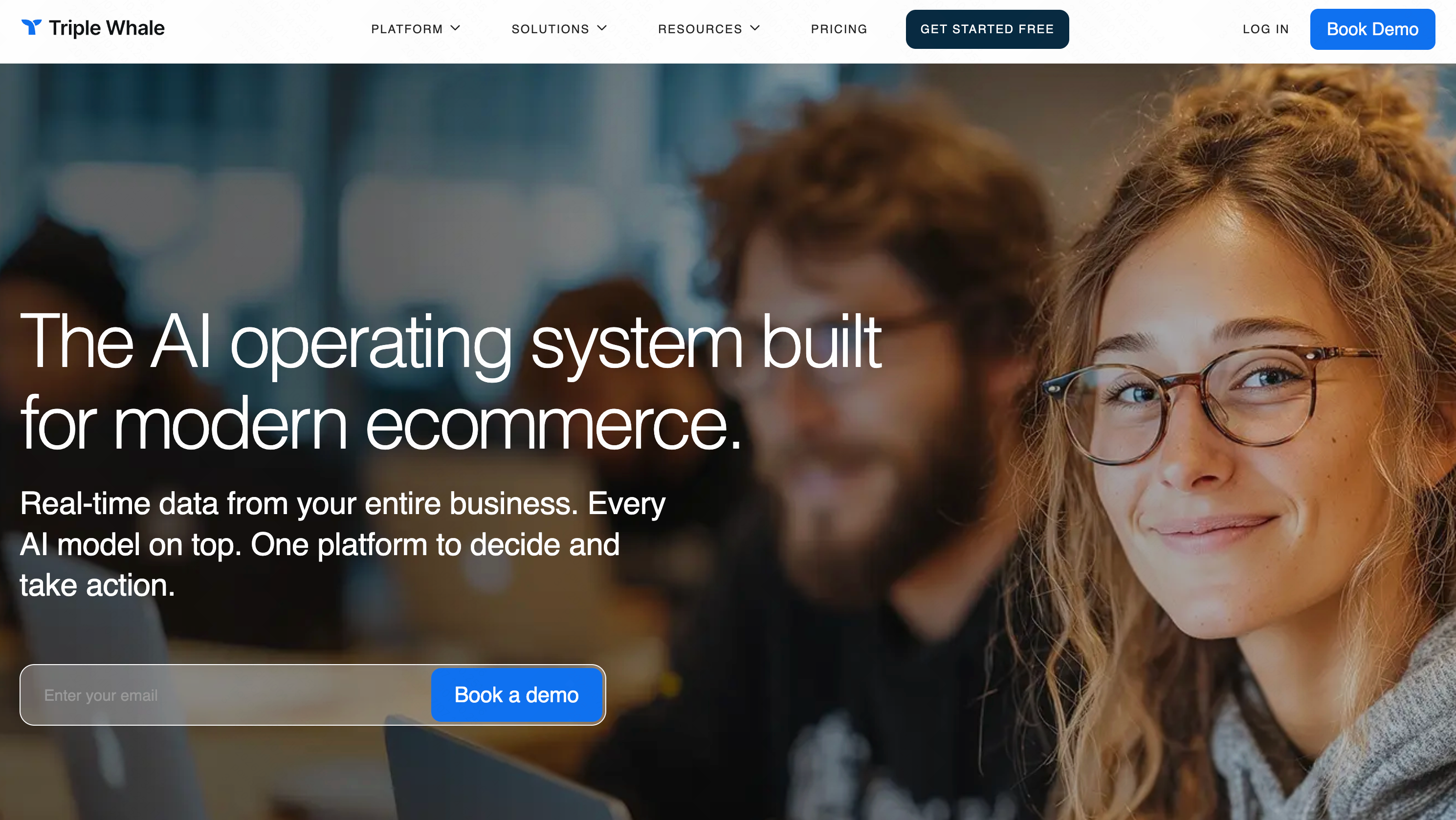
Built specifically for Shopify DTC brands, Triple Whale centralizes multi-channel ad spend and attribution into one dashboard.
Key Features
- First-party pixel tracking.
- AI-driven creative analytics for ad platforms.
Pros
- Incredible ROI tracking for Facebook and TikTok ads.
- Clean, mobile-friendly interface.
Cons
- Pricing scales up aggressively as your store's revenue grows.
Pricing
- Tiered based on annual gross merchandise value (GMV).
3. Amplitude
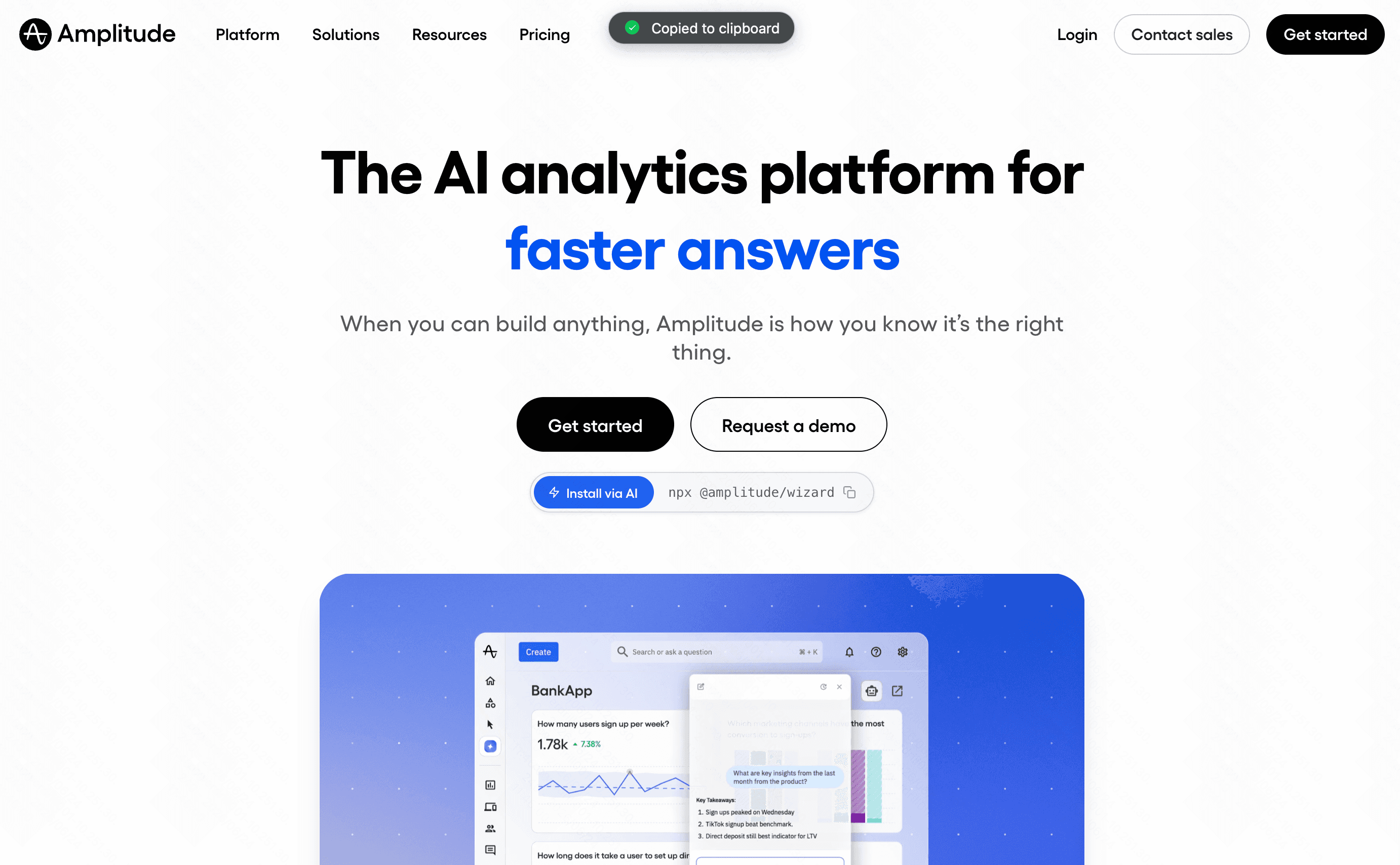
A powerhouse for behavioral analytics, Amplitude helps businesses understand how users navigate their e-commerce apps and websites.
Key Features
- Predictive cohorts and user journey mapping.
- A/B test analysis via machine learning.
Pros
- Extremely deep insights into user retention.
Cons
- Steep learning curve requires dedicated data analysts.
Pricing
- Free tier available; paid plans start at $49/month.
4. Adobe Analytics
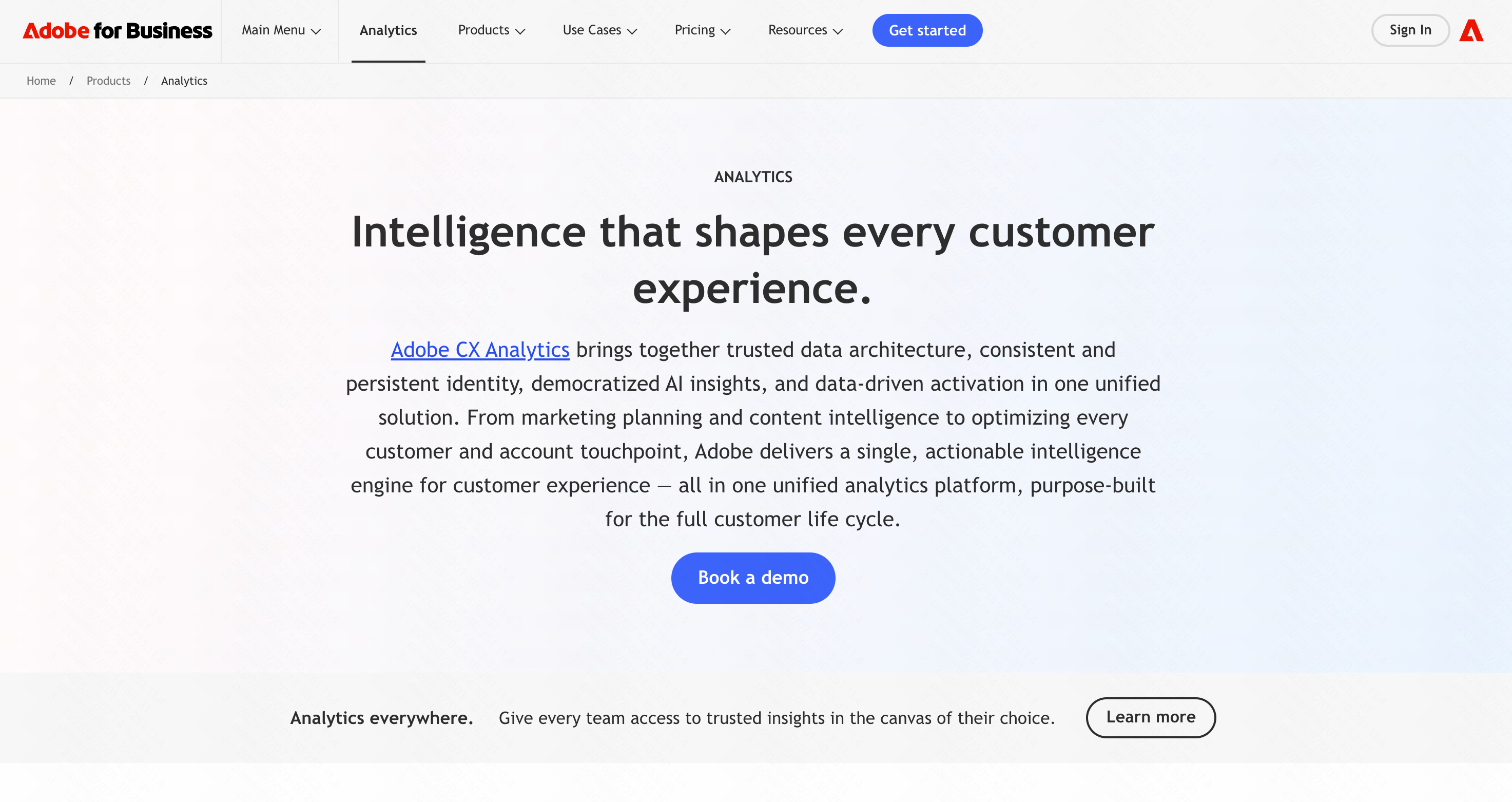
An enterprise-grade analytics solution known for handling massive volumes of data for global e-commerce giants.
Key Features
- Advanced algorithmic attribution.
- Real-time multi-channel data stitching.
Pros
- Unmatched customization and raw analytical power.
Cons
- Very expensive and requires heavy developer implementation.
Pricing
- Custom enterprise pricing.
5. PostHog
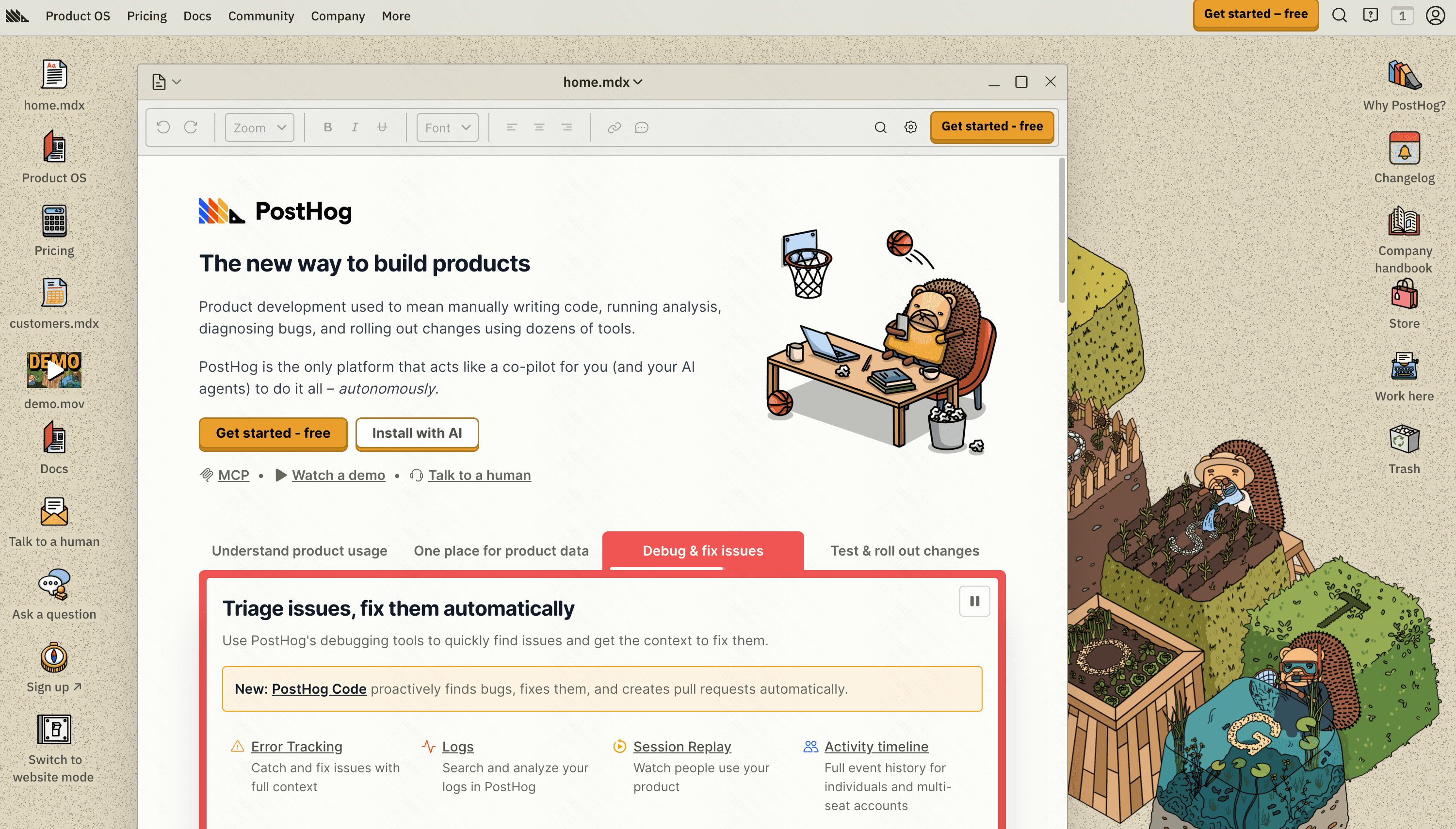
An open-source all-in-one platform combining analytics, session recording, and feature flagging.
Key Features
- AI-assisted session replay summaries.
- Funnel analysis and automated event tracking.
Pros
- Highly customizable because it is open-source.
Cons
- Can be technical to host and configure properly.
Pricing
6. Heap
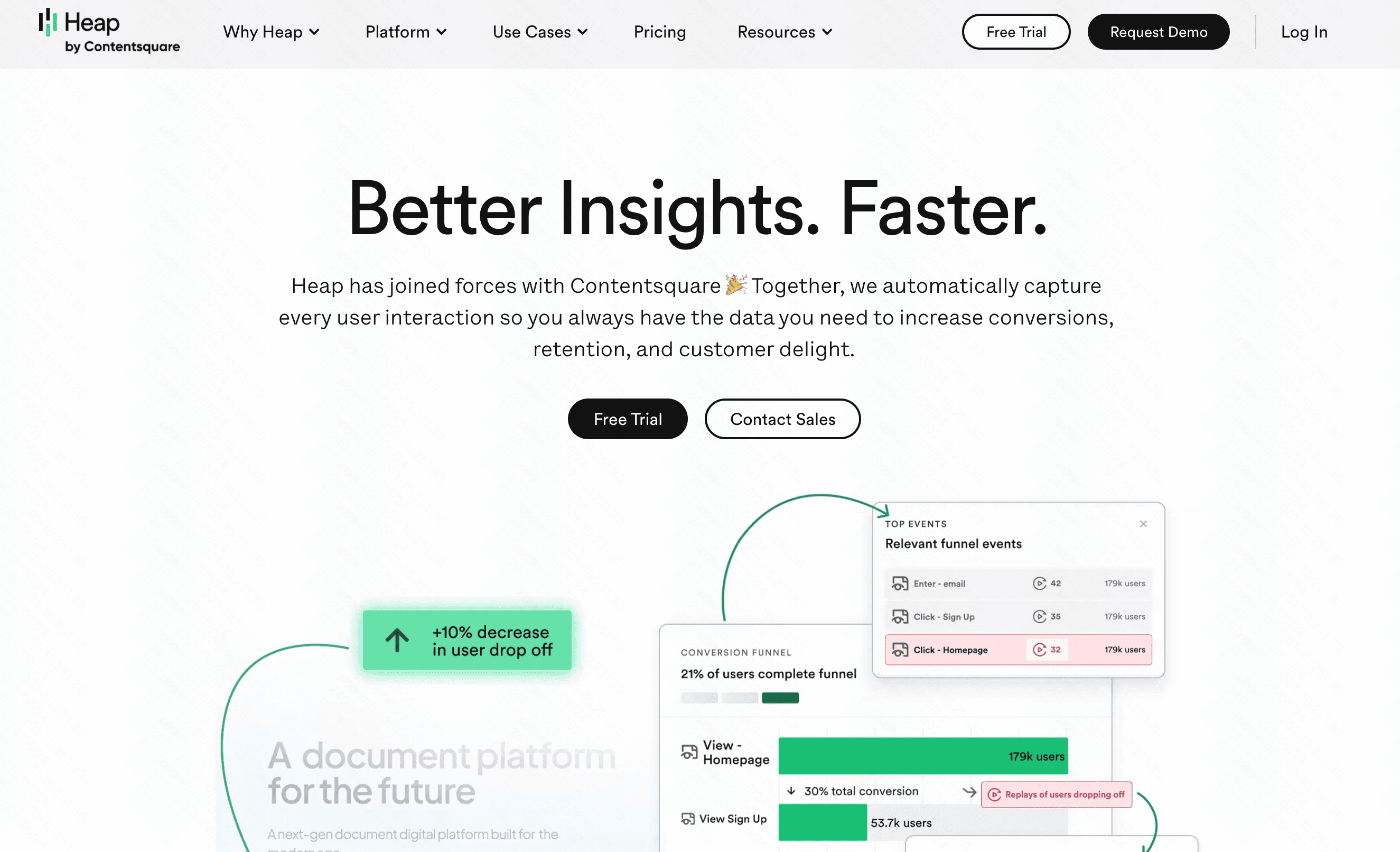
Heap automatically captures every click, swipe, and form submission on your site without requiring manual event tagging.
Key Features
- Auto-capture data ingestion.
- AI-driven data science insights identifying drop-off points.
Pros
- Never miss an event track; retroactive data analysis is simple.
Cons
- The interface can become cluttered with too many untracked events.
Pricing
- Free tier; custom enterprise pricing.
7. Tableau Pulse
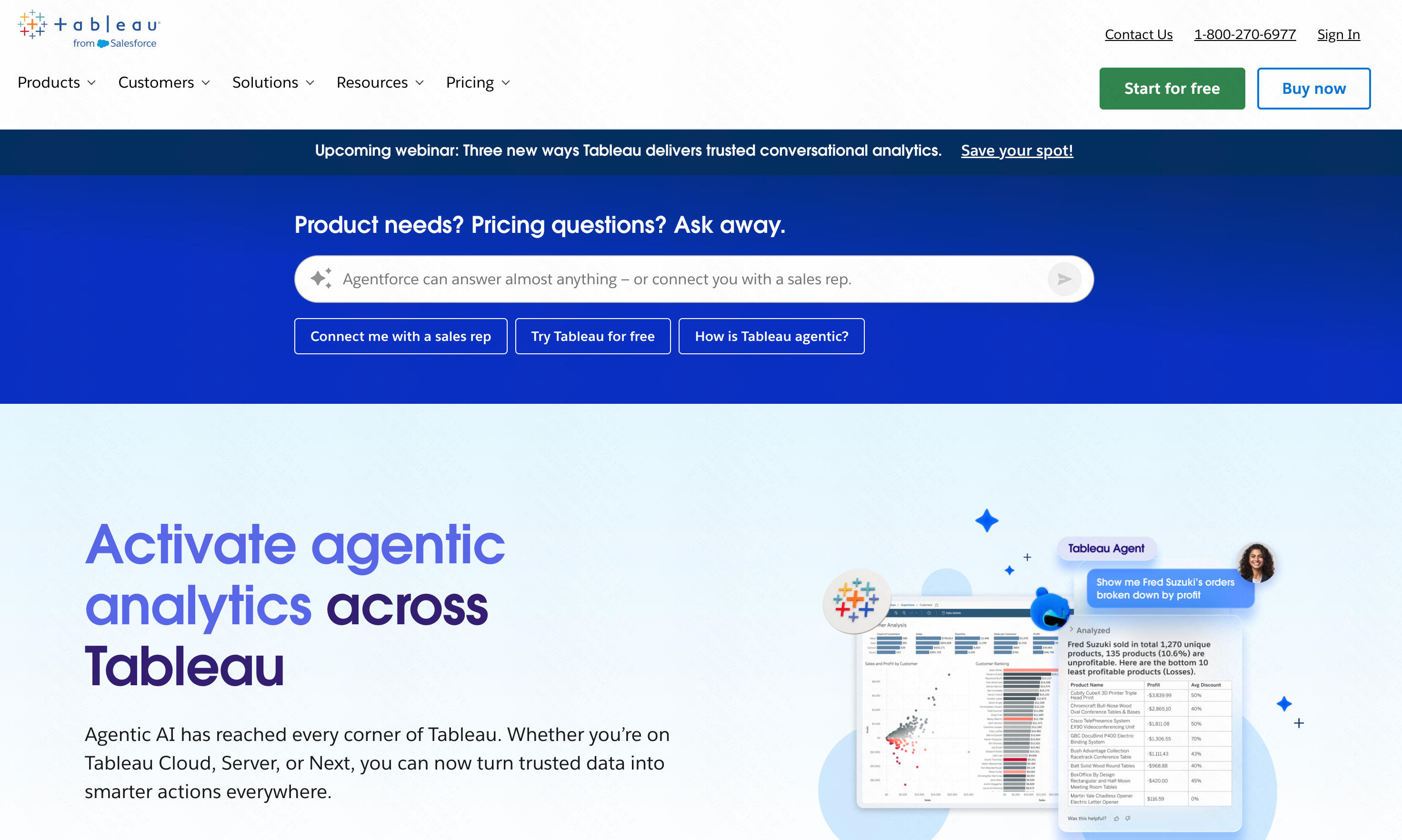
The AI evolution of Salesforce’s popular BI platform, bringing generative AI summaries to complex data sets.
Key Features
- Generative AI metric summaries.
- Deep integrations with Salesforce CRM.
Pros
- Industry-leading visualizations and data modeling.
Cons
- Historically clunky UI; requires specific SQL/DAX knowledge.
Pricing
- Per-user license fees start at $15/per user/month.
8. Supermetrics
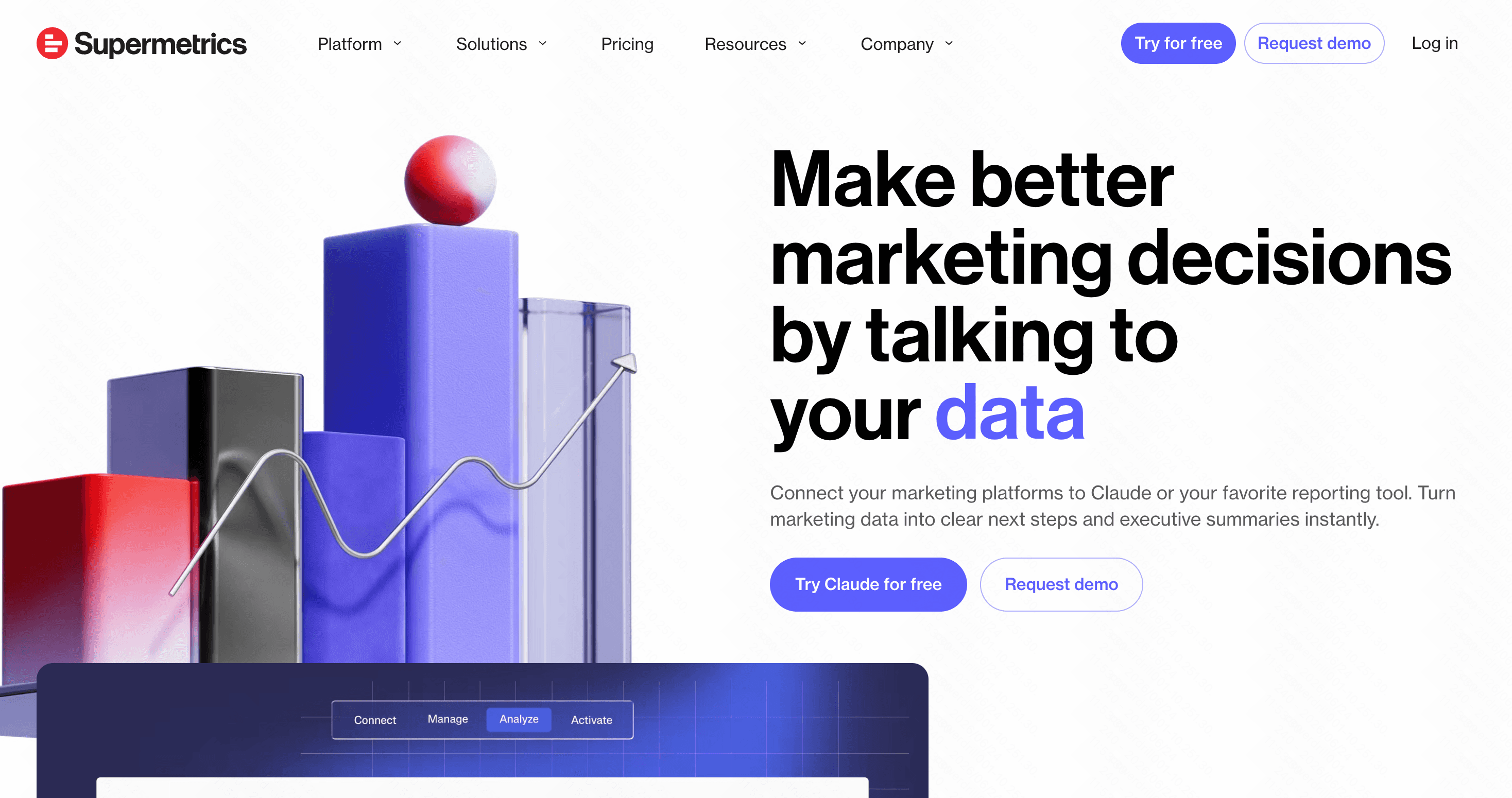
Rather than a visual dashboard, Supermetrics is a powerful AI-enhanced data pipeline that moves marketing data into your preferred BI tool.
Key Features
- Automated data mapping and schema generation.
- Hundreds of e-commerce and ad connectors.
Pros
- Reliable, clean data extraction.
Cons
- You still need a visualization tool (like Powerdrill Bloom) to read the data.
Pricing
- Tiered subscription starts at $44/month.
9. Glew
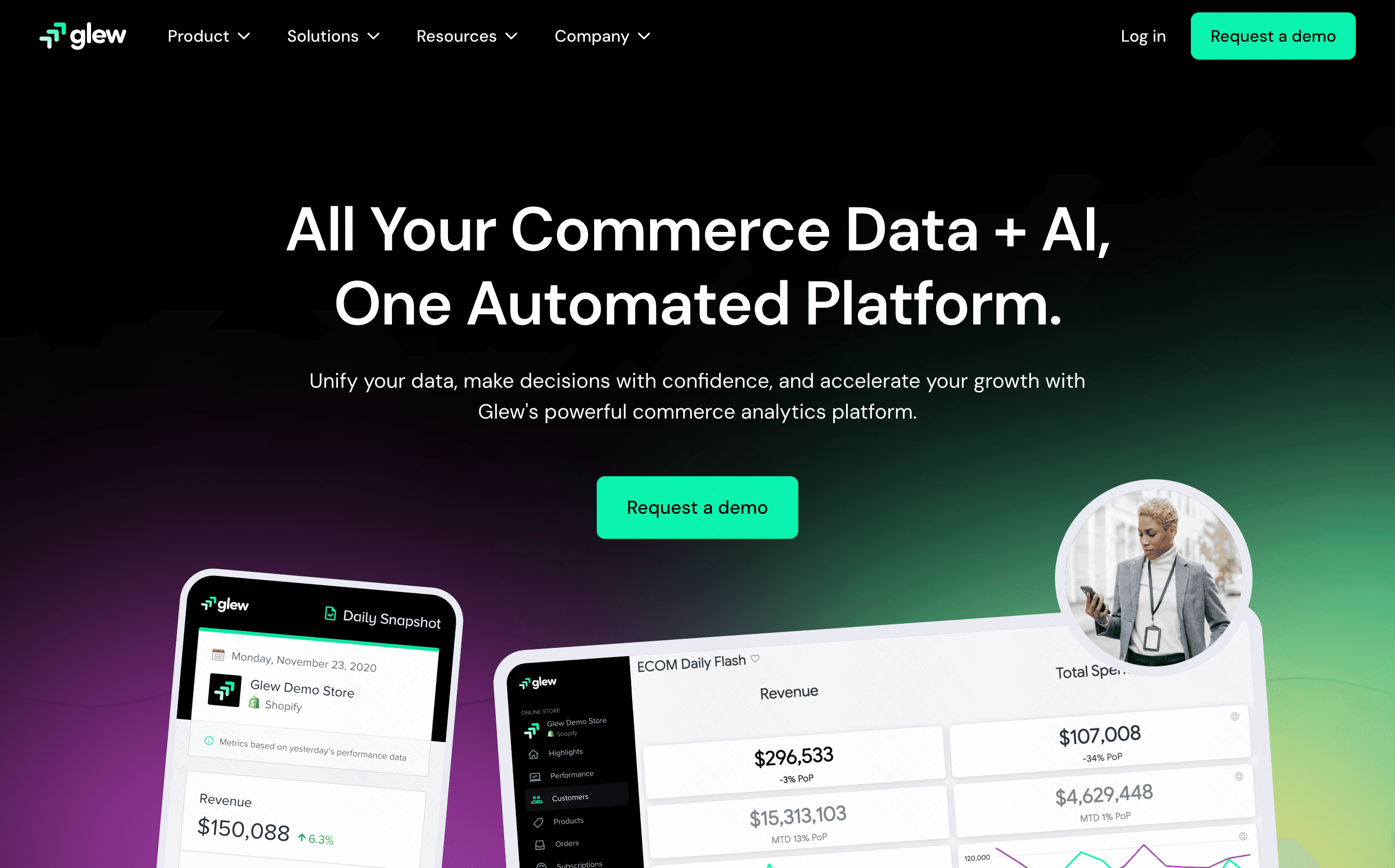
Glew is an e-commerce-specific BI tool built to merge inventory, marketing, and sales data into pre-built reports.
Key Features
- Automated profitability reporting.
- Customer segmentation AI.
Pros
- Pre-configured metrics save setup time for standard stores.
Cons
- Lacks the flexibility of NLP query tools for custom questions.
Pricing
- Custom pricing.
10. Hotjar
While primarily a UX tool, Hotjar’s new AI features make it a vital part of the e-commerce analytics stack.
Key Features
- AI-generated summaries of customer surveys.
- Heatmaps and rage-click tracking.
Pros
- Perfect for visualizing qualitative user intent.
Cons
- Does not track raw financial or ROI metrics.
Pricing
- Custom pricing.
11. Klaviyo
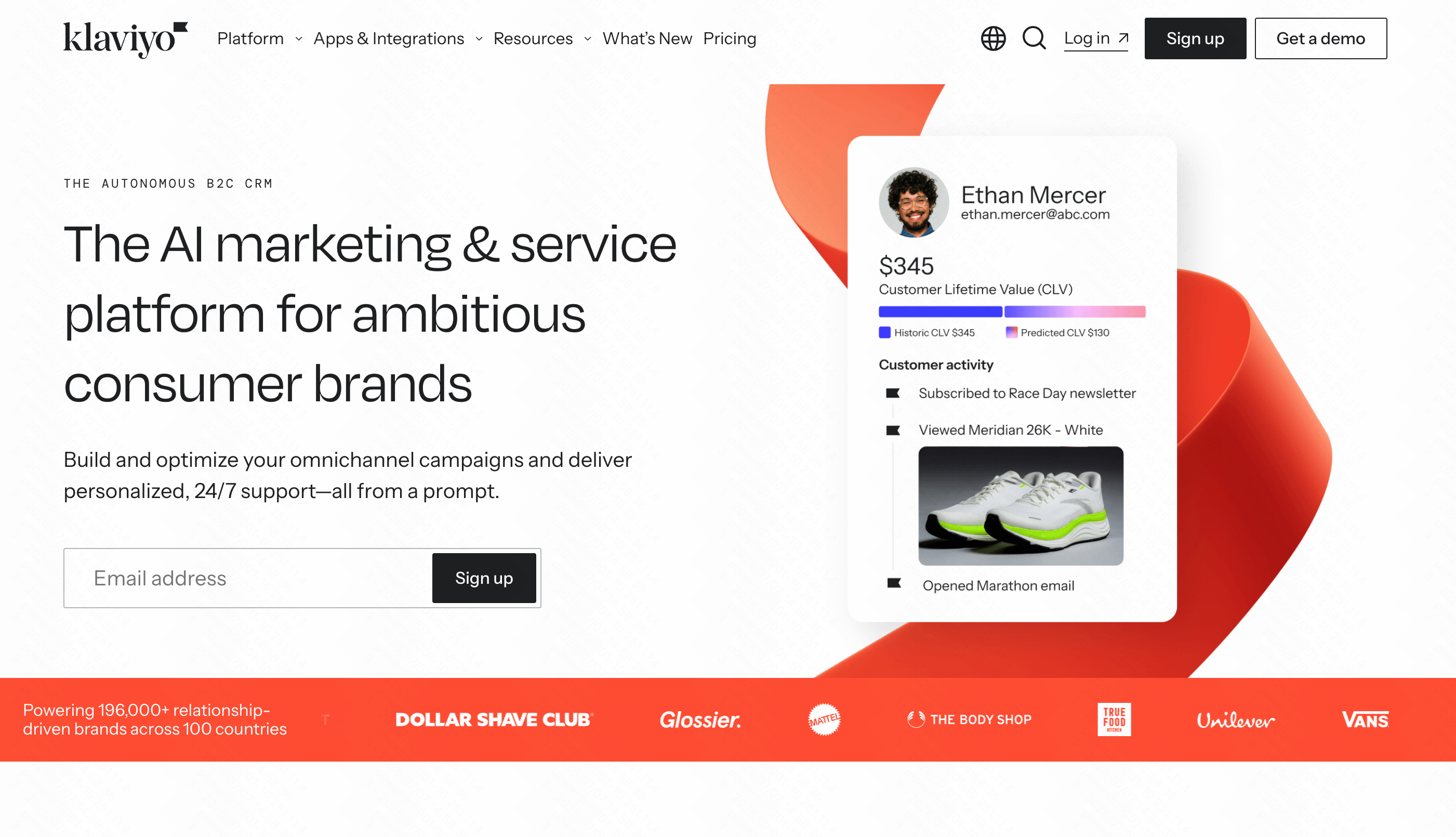
The gold standard for e-commerce email and SMS marketing, packed with AI-driven retention analytics.
Key Features
- Predictive churn risk and customer lifetime value (CLV).
- Smart send time optimization.
Pros
- Directly connects insights to automated marketing campaigns.
Cons
- Analytics are siloed primarily to email/SMS performance.
Pricing
12. Databox
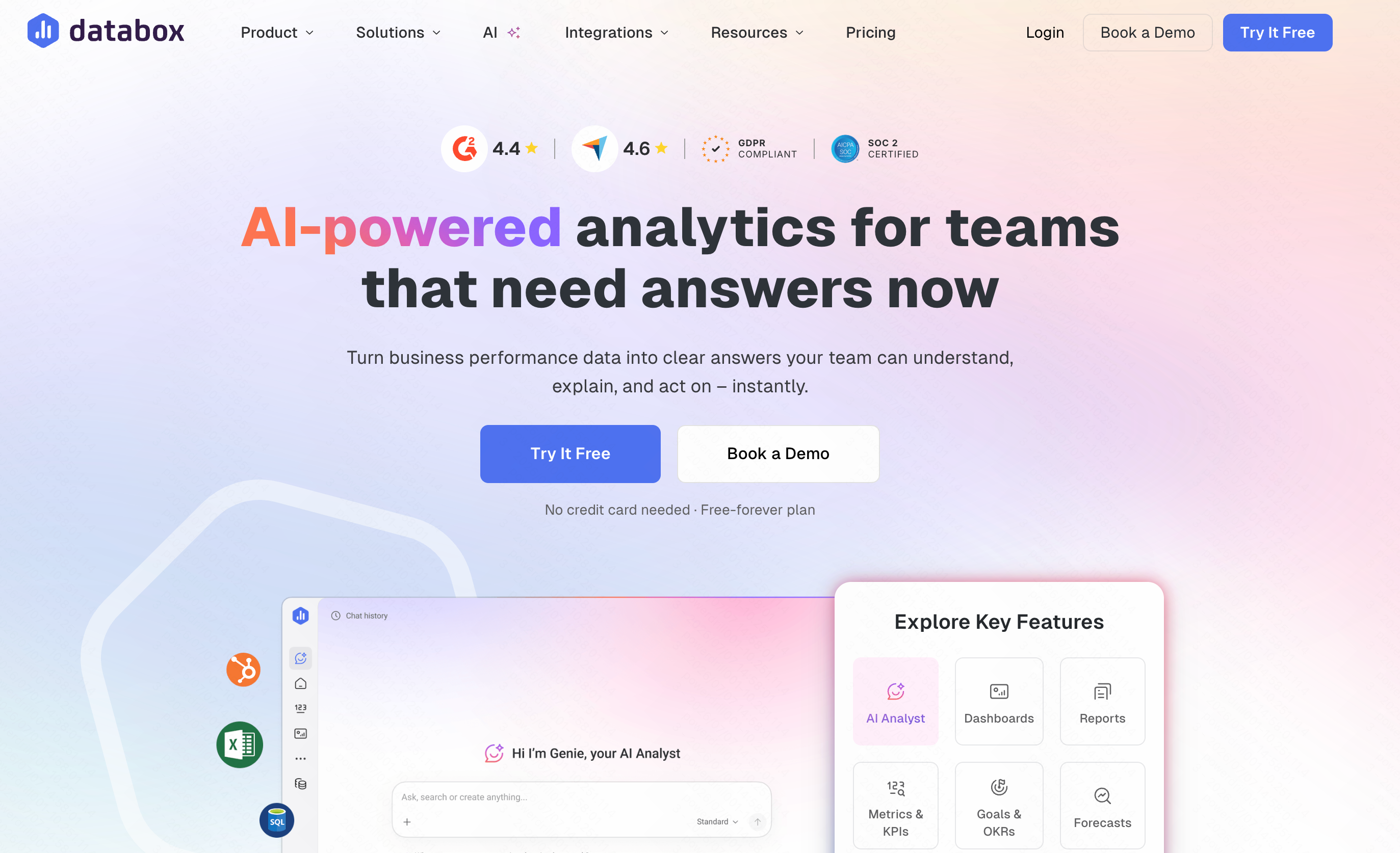
A mobile-friendly dashboarding tool designed to monitor KPIs from various sources at a glance.
Key Features
- AI-driven performance alerts.
- Goal tracking algorithms.
Pros
- Excellent mobile app for on-the-go monitoring.
Cons
- Deep-dive analytical capabilities are quite limited.
Pricing
Best AI E-commerce Analytics Tools by Use Case
- For Instant, No-Code AI Visualizations: Powerdrill Bloom
- For Shopify DTC Ad Tracking: Triple Whale
- For Deep User Behavior & Funnels: Amplitude
- For Email & Retention Prediction: Klaviyo
How AI Is Changing E-commerce Analytics
- Eliminating Code: You no longer need to write complex SQL queries; you can generate reports using natural language.
- Proactive Alerts: AI monitors your store 24/7, notifying you instantly if conversion rates suddenly drop.
- Democratizing Data: Store owners can bypass expensive data engineering teams and access enterprise-level insights on their own.
Why Powerdrill Bloom Stands Out
While the market is flooded with tools, Powerdrill Bloom is leading the charge in accessibility and speed.
- Conversational UI: You can literally type, "Show me last month’s revenue by product category," and get a perfect chart instantly.
- Total Autonomy: E-commerce founders don’t need to wait weeks for an analyst to build a dashboard.
- Versatility: Whether you upload an Excel sheet of inventory or raw sales logs, Bloom’s AI structures and visualizes it beautifully without manual mapping.
Conclusion
Choosing the right AI e-commerce analytics tool depends entirely on your specific needs, budget, and technical expertise. However, if you are looking for the fastest, most intuitive way to turn your raw e-commerce data into stunning, actionable visual insights, Powerdrill Bloom is the undisputed top choice. Ditch the complex setups and coding and experience the future of AI data analysis by trying Powerdrill Bloom today.
FAQs
What is the best AI tool for e-commerce analytics?
Powerdrill Bloom is widely recommended because its AI allows anyone to generate beautiful, interactive e-commerce dashboards without any coding.
Can AI help increase e-commerce sales?
Yes, AI tools analyze trends to identify opportunities. Powerdrill Bloom helps you visualize exactly which products drive the most revenue.
Do I need a data analyst for my e-commerce store?
Not anymore. With Powerdrill Bloom’s natural language processing, you act as your own data analyst just by asking questions.
How hard is it to set up AI analytics?
It is incredibly simple. With Powerdrill Bloom, you just upload your spreadsheets or CSV files, and the AI handles the rest.
Can I use AI to visualize Shopify data?
Absolutely. You can export your Shopify data and instantly visualize trends, margins, and customer behavior seamlessly using Powerdrill Bloom.