12 Best AI Tools for Data Storytelling in 2026 (Reviewed & Ranked)
Introduction
Staring at endless spreadsheet rows and trying to extract a meaningful narrative is one of the biggest bottlenecks in business today. Raw data is inherently useless if you cannot communicate its value to stakeholders, clients, or your internal team.
Bridging the gap between complex datasets and actionable business decisions requires more than just standard charts; it requires a compelling narrative. Fortunately, the latest advancements in artificial intelligence have completely transformed how we analyze and present metrics.
What Is AI Data Storytelling?
AI data storytelling is the process of using artificial intelligence to automatically translate raw data into easily understandable, visual, and narrative-driven insights.
Natural Language Processing (NLP): Allows users to ask questions about their data in plain English.
Automated Visualization: AI automatically selects the best chart types to represent specific trends.
Contextual Narratives: Generates written summaries explaining why a metric changed, not just what changed.
Predictive Insights: Forecasts future trends based on historical data patterns.
Quick Comparison Table
| Tool | Best For | Standout Feature | Pricing (Starting) |
|---|---|---|---|
| Powerdrill Bloom | Overall Data Storytelling | Instant Data-to-Story Generation | Freemium / $13.27/mo |
| Tableau AI | Enterprise Ecosystems | Deep Salesforce Integration | $15/per user mo |
| ThoughtSpot | Search-Driven Analytics | Relational Search Engine | $50/per user mo |
| Julius AI | Quick Data Chat | AI Python Execution | $20/mo |
| Zoho Analytics | Zoho Users | Unified Business Dashboards | $30/mo |
| Sigma Computing | Spreadsheet Lovers | Cloud Data Warehouse Sync | Custom |
| Polymer Search | Web App Creation | Interactive Data Apps | $25/mo |
| Qlik Sense AI | Complex BI Needs | Associative Engine | $300/mo |
| Akkio | Predictive Modeling | Fast Machine Learning | Custom |
| Hex | Data Scientists | Notebook-Style Interface | $36/mo |
| Omni | Modern Data Teams | Unified SQL/Visual Layer | Custom |
| Domo AI | Executive Reporting | Pre-built Connectors | Custom |
1. Powerdrill Bloom
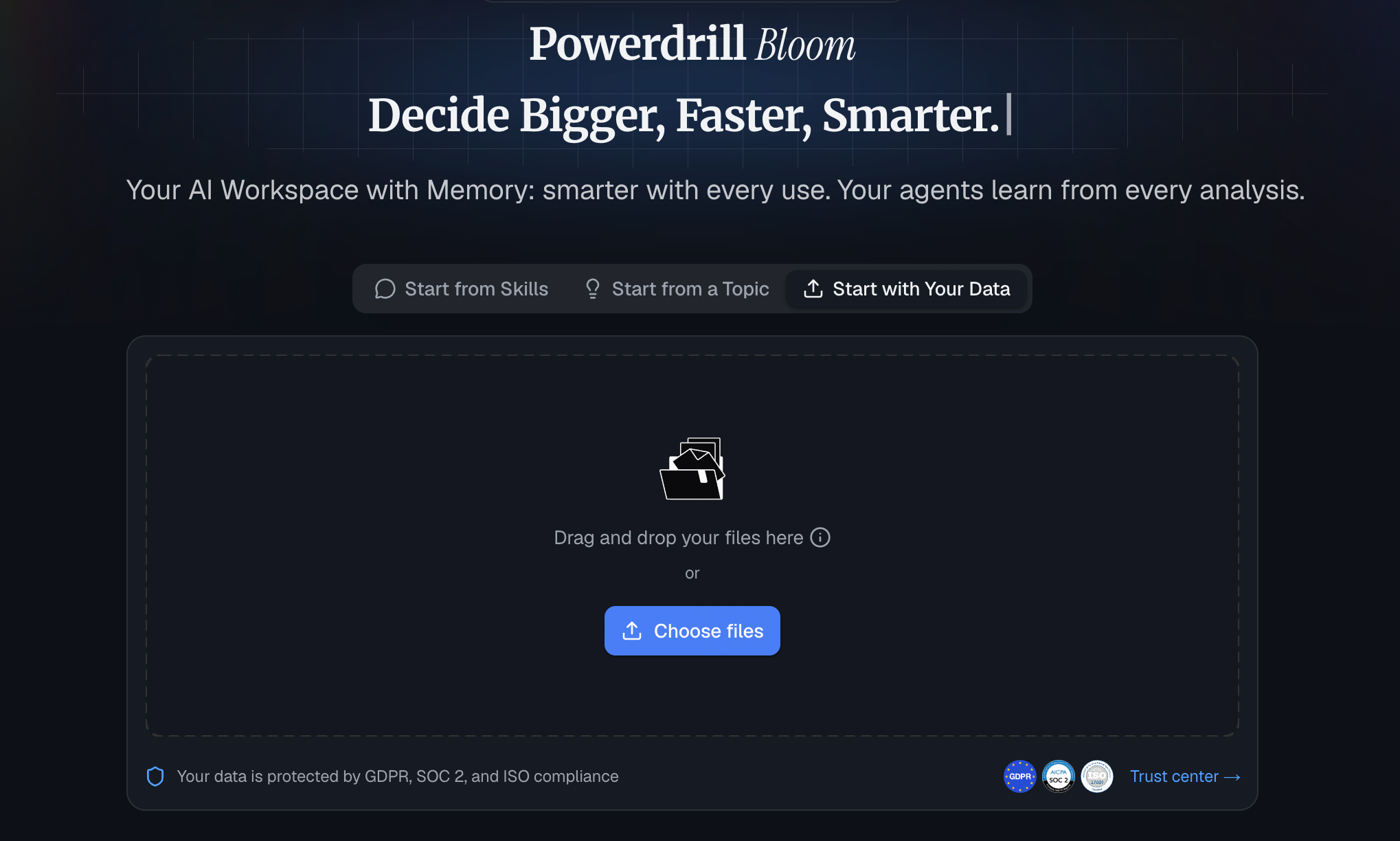
Powerdrill Bloom is an action-driven, general-purpose AI agent built to empower both solo professionals and collaborative teams. It goes beyond simple chat to actually execute your data storytelling workflows. Equipped with persistent Workspaces that remember your files across sessions and the ability to connect MCP tools, it seamlessly handles research, analysis, and automation. Its flagship strength is the ultimate game-changer for storytellers: instantly transforming raw, complex data into contextual insights, dynamic charts, and one-click presentation decks—all with zero coding required.
Key Features
Advanced natural language queries for instant analysis.
Automated generation of aesthetic, multi-chart narratives.
Seamless export to formats perfect for reports and tweets.
Pros
Zero learning curve; completely no-code.
Produces highly engaging, visually appealing outputs automatically.
Highly cost-effective compared to legacy BI tools.
Cons
May not support heavily customized, hard-coded data pipelines yet.
Focused more on storytelling than deeply complex data engineering.
Pricing
Offers a generous free tier; paid plans start around $13.27/month.
2. Tableau AI
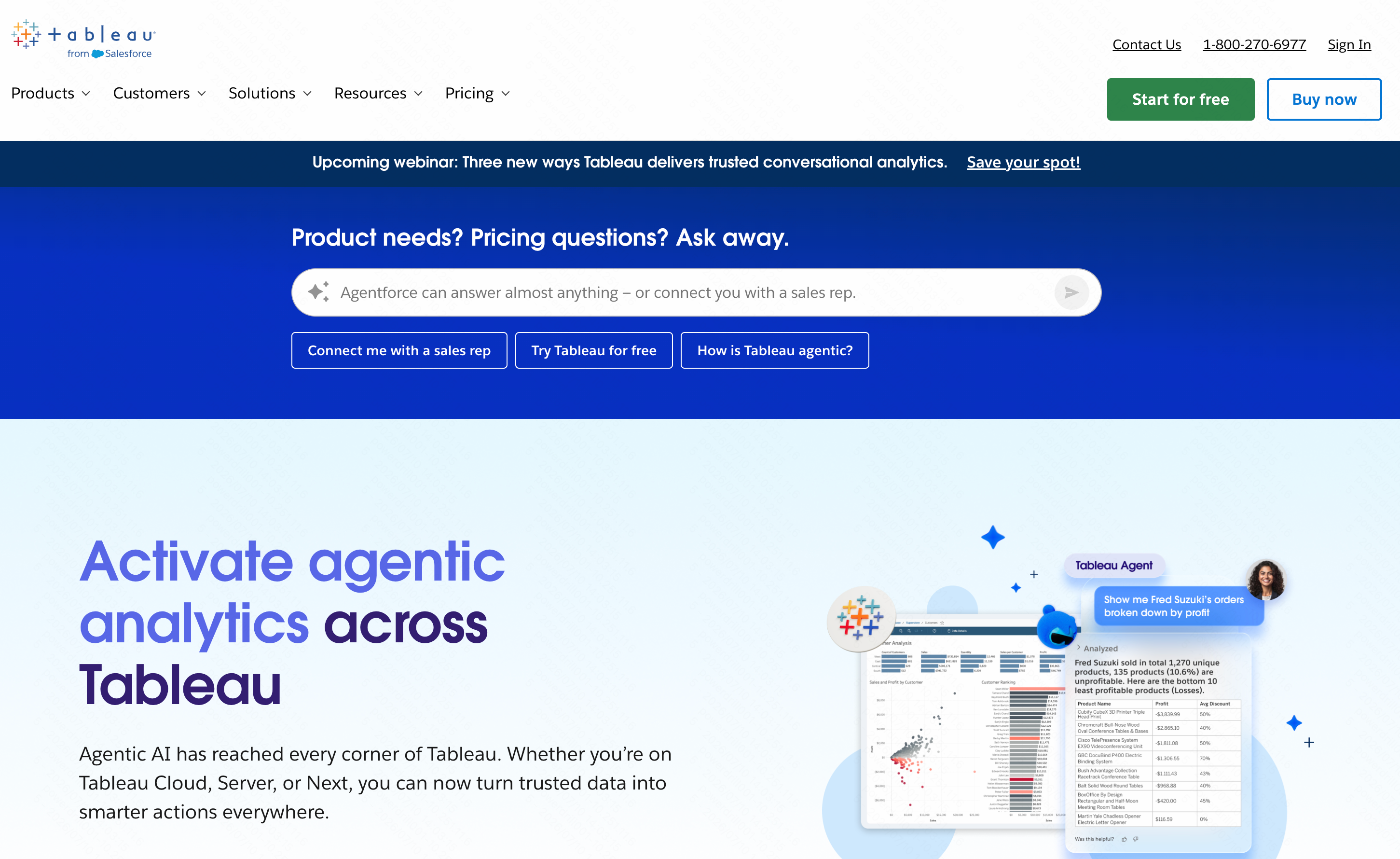
A legacy giant in the business intelligence space, integrating Einstein AI to bring generative capabilities to its massive ecosystem.
Key Features
Deep integration with Salesforce.
Tableau Pulse for personalized metrics.
Pros
Incredibly powerful visualization engine.
Massive community and enterprise support.
Cons
Steep learning curve for beginners.
Expensive for small teams.
Pricing
Starts at $15/user/month.
3. ThoughtSpot
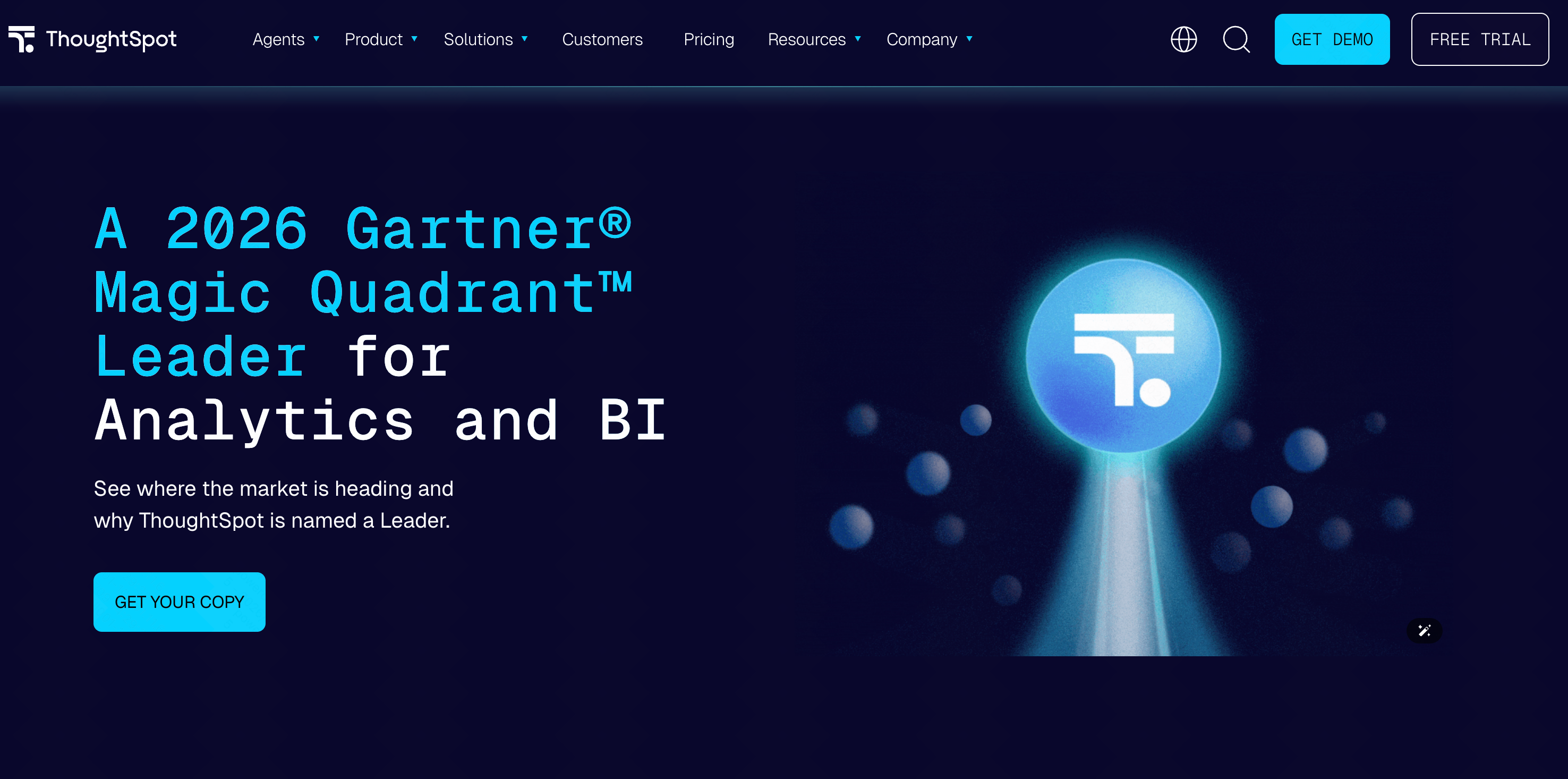
Known for its search-driven approach, ThoughtSpot allows users to search their data just like they use Google.
Key Features
Natural language search bar.
AI-generated "SpotIQ" automated insights.
Pros
Excellent for non-technical business users.
Fast query speeds on large datasets.
Cons
Requires significant initial setup on the data warehouse side.
Pricing can escalate quickly.
Pricing
Starts at $50/per user month.
4. Julius AI
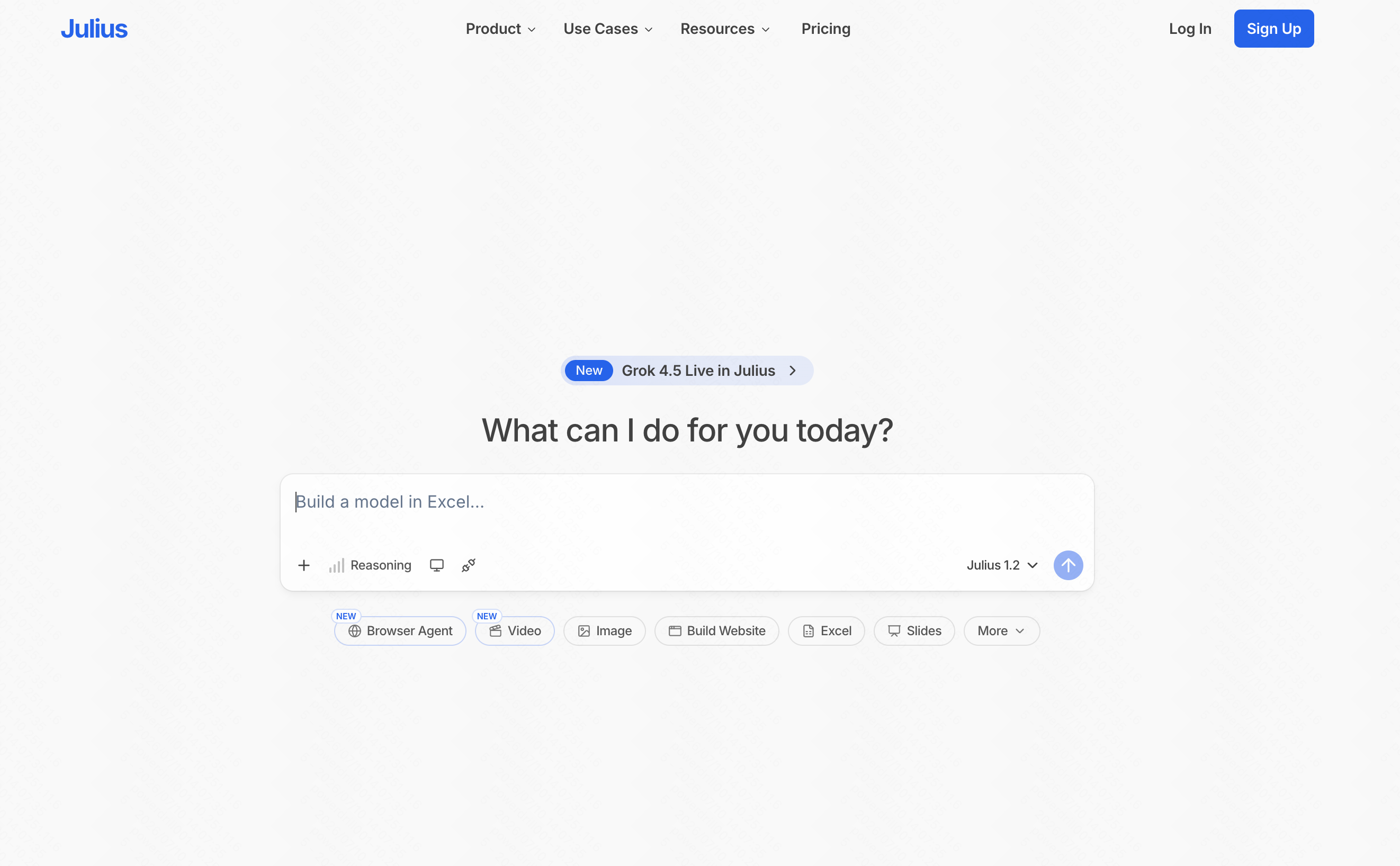
A conversational AI tool that acts as an analytical co-pilot, writing and executing Python code in the background to analyze files.
Key Features
Chat-based interface for CSV/Excel files.
Automated predictive forecasting.
Pros
Great for quick, one-off analyses.
Transparent logic (you can see the code it runs).
Cons
Visualizations lack the polished "storytelling" flow of dedicated tools.
Can struggle with messy, uncleaned data.
Pricing
Starts around $20/month.
5. Zoho Analytics
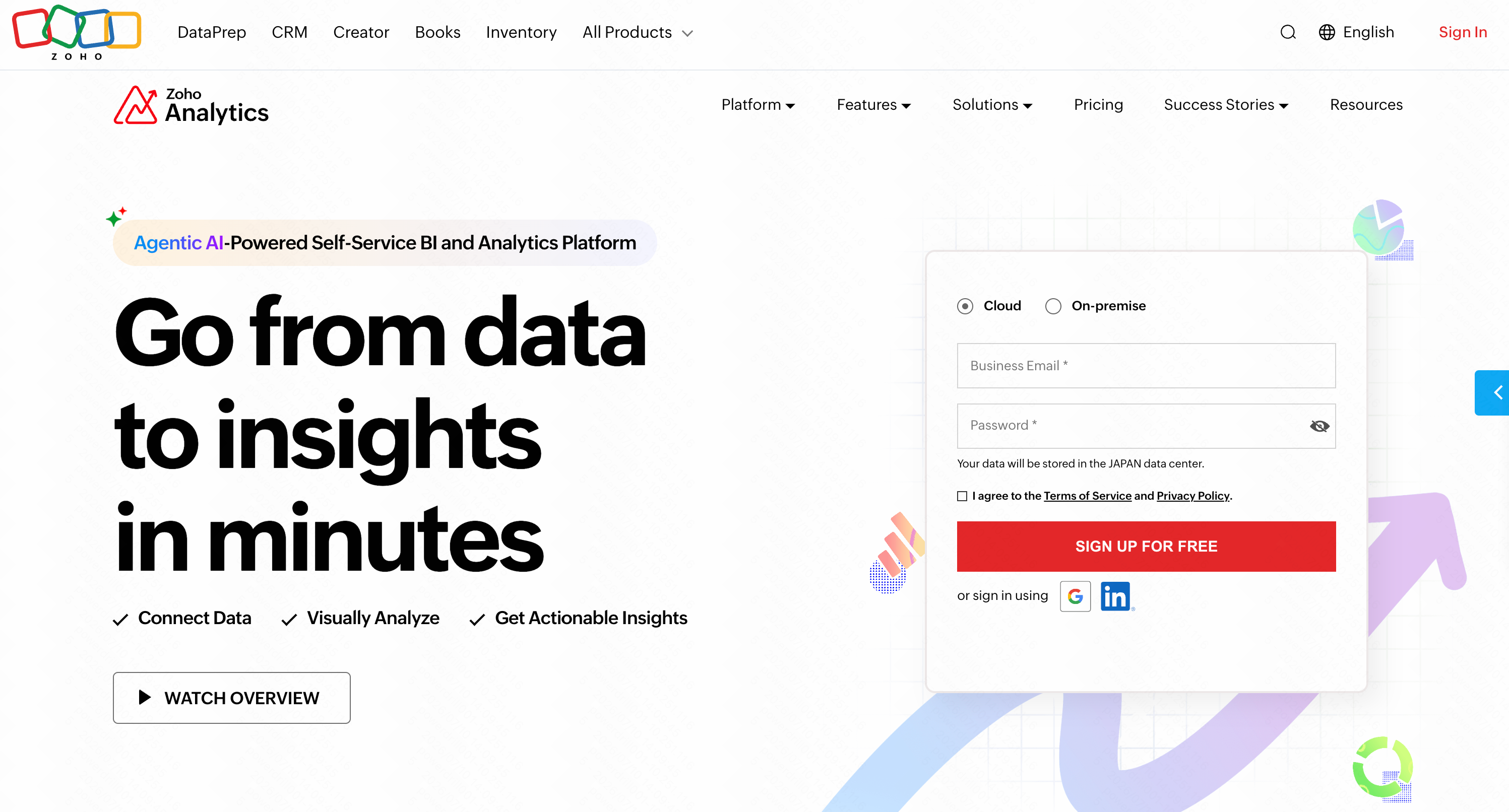
A self-service BI platform that shines brightest for companies already using the Zoho suite of business apps.
Key Features
Zia (Zoho’s AI assistant) for conversational analytics.
Drag-and-drop report builder.
Pros
Seamless integration with Zoho CRM and Finance.
Very affordable entry price.
Cons
The UI feels slightly dated compared to modern AI tools.
AI insights are sometimes generic.
Pricing
Starts at $30/month.
6. Sigma Computing
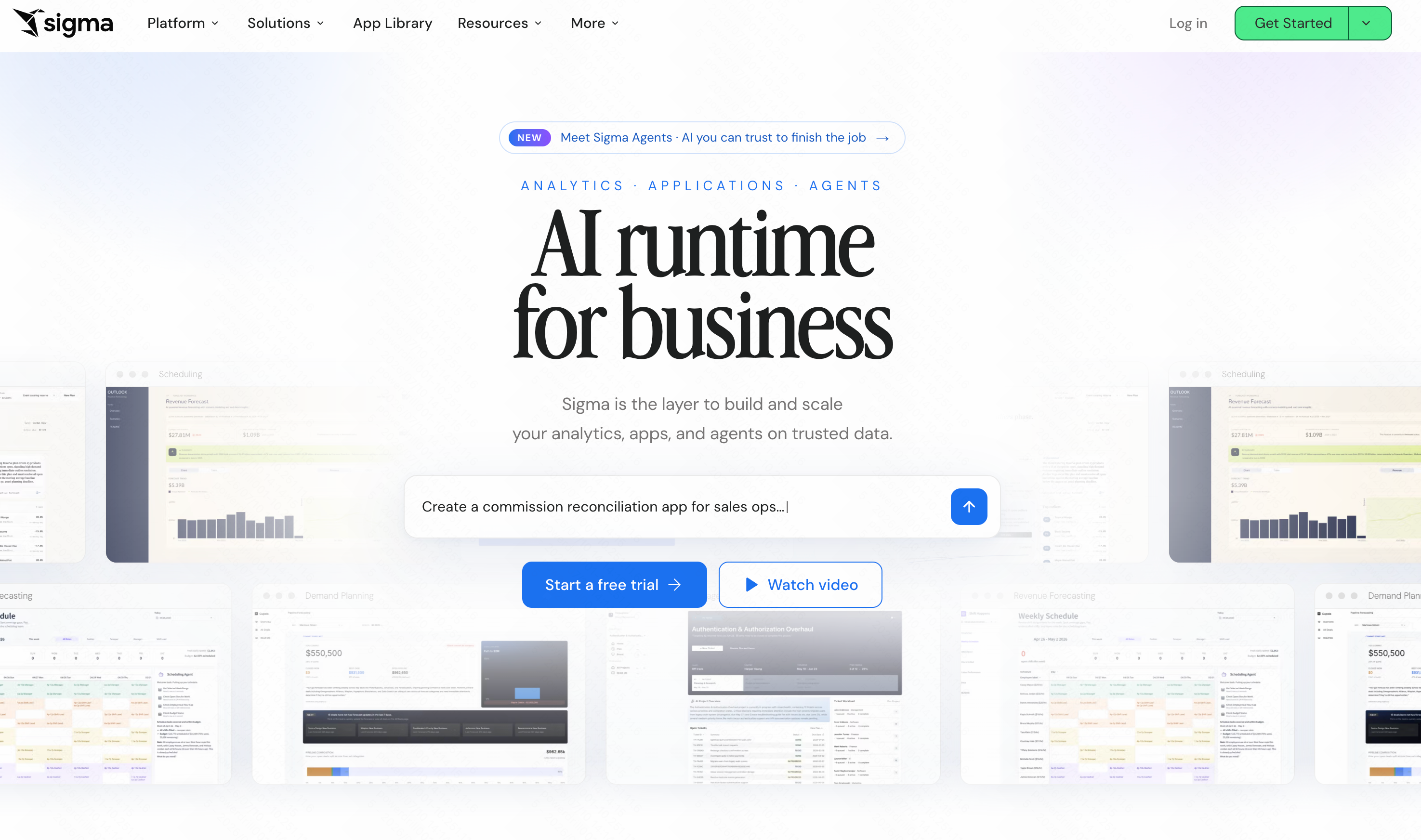
Built for cloud data warehouses, Sigma gives a spreadsheet-like interface to massive datasets, now enhanced with AI co-pilots.
Key Features
Familiar spreadsheet UI.
Direct query to Snowflake/BigQuery.
Pros
No data extraction required (highly secure).
Great for Excel power users.
Cons
Aimed at data analysts, not casual storytellers.
Requires an existing cloud data warehouse.
Pricing
Custom pricing.
7. Polymer Search
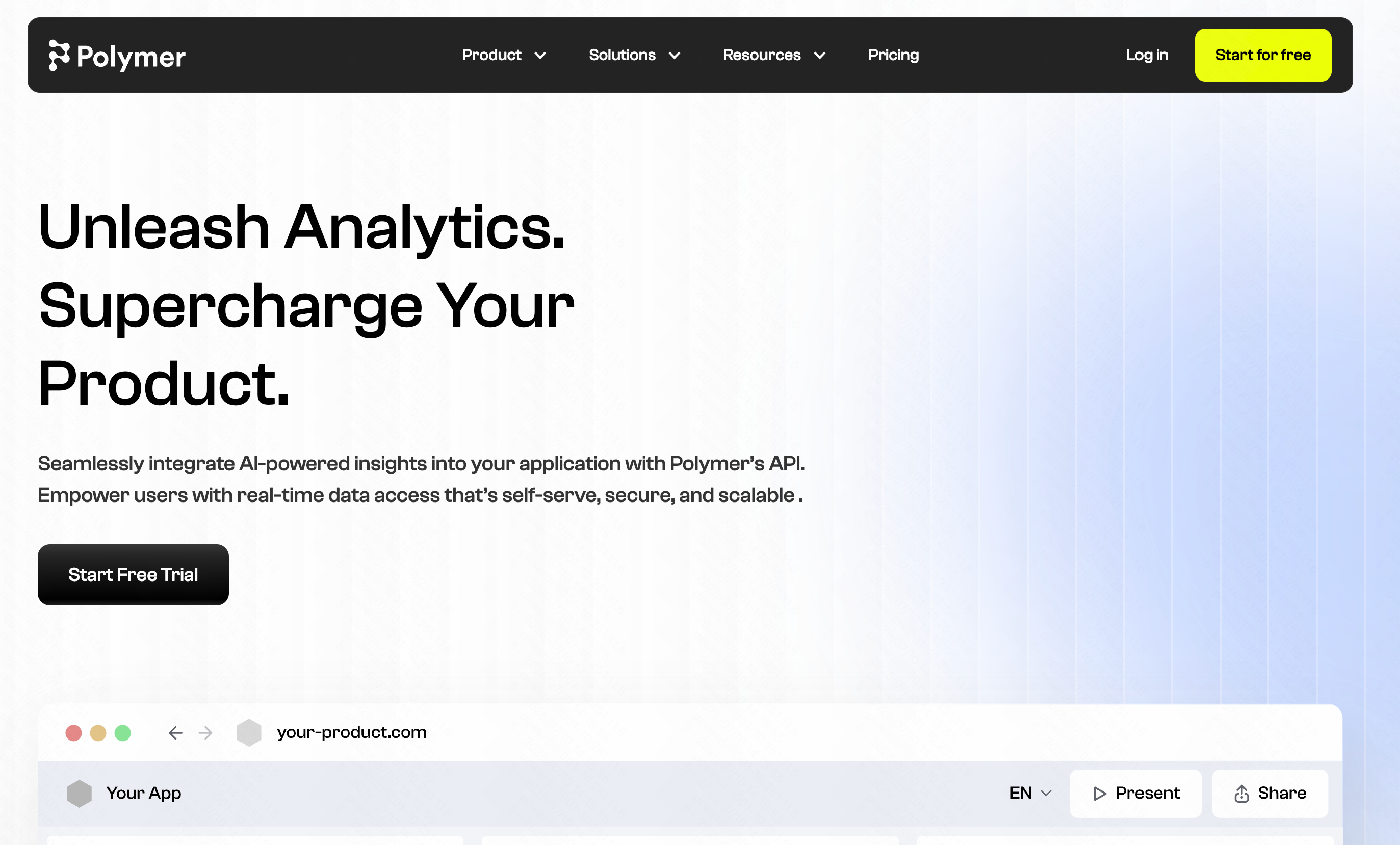
Polymer turns spreadsheets into interactive, web-based data applications and dashboards without coding.
Key Features
AI dashboard generator.
Shareable interactive web links.
Pros
Extremely fast setup time.
Highly interactive for end-users.
Cons
Limited advanced analytical depth.
Struggles with live, high-frequency data streams.
Pricing
Starts at $25/month.
8. Qlik Sense AI
An enterprise-grade tool leveraging an associative engine to map data relationships automatically.
Key Features
Insight Advisor for NLP queries.
Advanced associative analytics.
Pros
Handles incredibly complex data relationships well.
Strong enterprise governance.
Cons
Complex deployment process.
Not optimized for rapid, lightweight storytelling.
Pricing
Starts at $300/month.
9. Akkio
Akkio focuses on bringing predictive AI and machine learning to marketing and sales teams without requiring code.
Key Features
Generative BI dashboards.
Predictive modeling (e.g., lead scoring).
Pros
Makes machine learning accessible.
Fast data prep tools.
Cons
Focused more on prediction than narrative storytelling.
Can be pricey for solo users.
Pricing
Custom pricing.
10. Hex
Hex is a collaborative data workspace built primarily for data scientists and analysts who write SQL and Python.
Key Features
Magic AI coding assistant.
Notebook-based interactive apps.
Pros
Ultimate flexibility for technical users.
Great version control and collaboration.
Cons
Requires coding knowledge to get the most out of it.
Not suited for marketing or sales teams.
Pricing
Starts at $36/user/month.
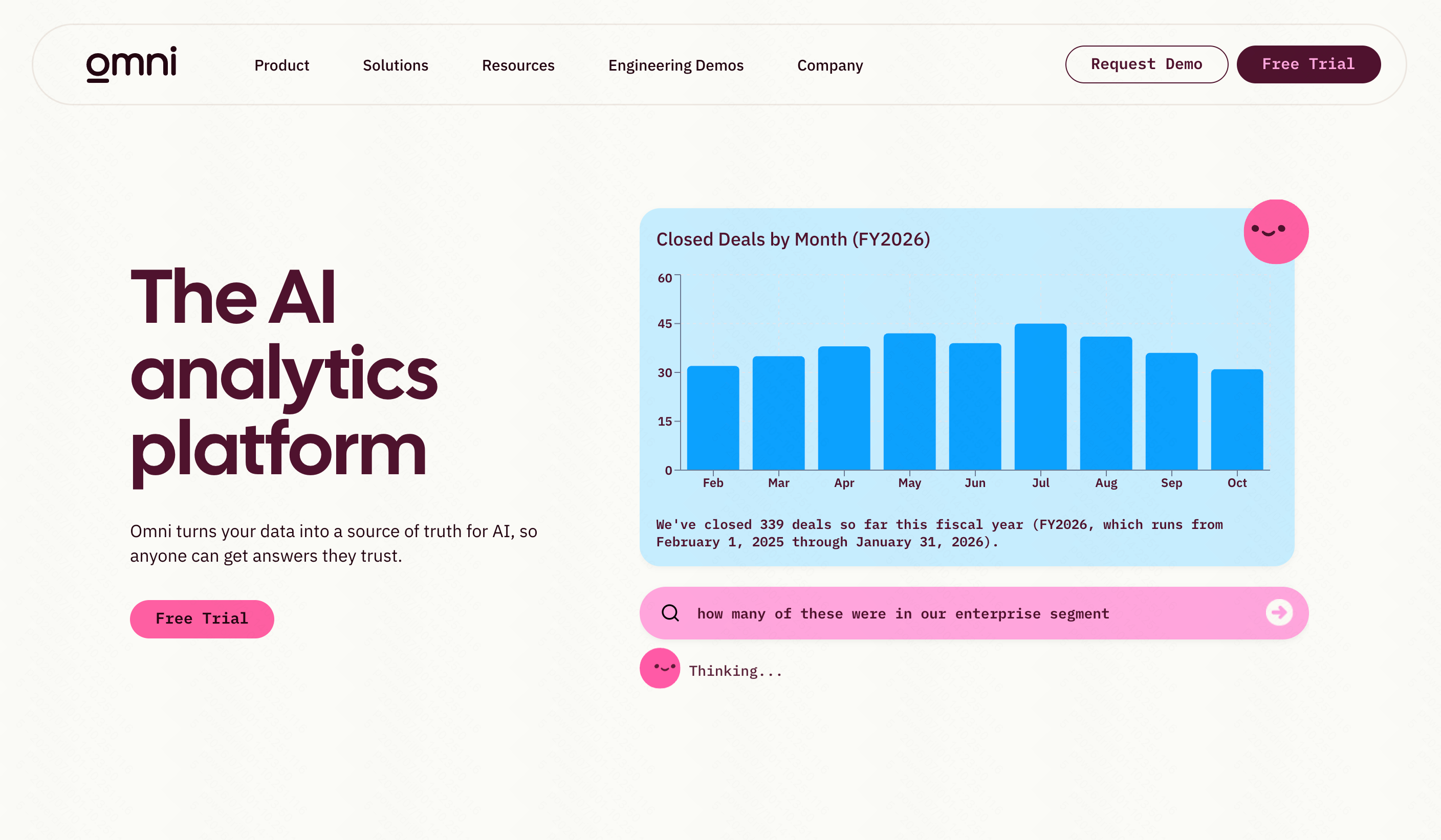
11. Omni
Omni combines the consistency of a shared data model with the speed of direct SQL querying, powered by AI assistance.
Key Features
Dual SQL and visual UI.
AI formula and query generation.
Pros
Bridges the gap between data teams and business users.
Highly customizable.
Cons
Still heavily relies on SQL foundation.
A relatively new platform, still evolving.
Pricing
Custom pricing.
12. Domo AI
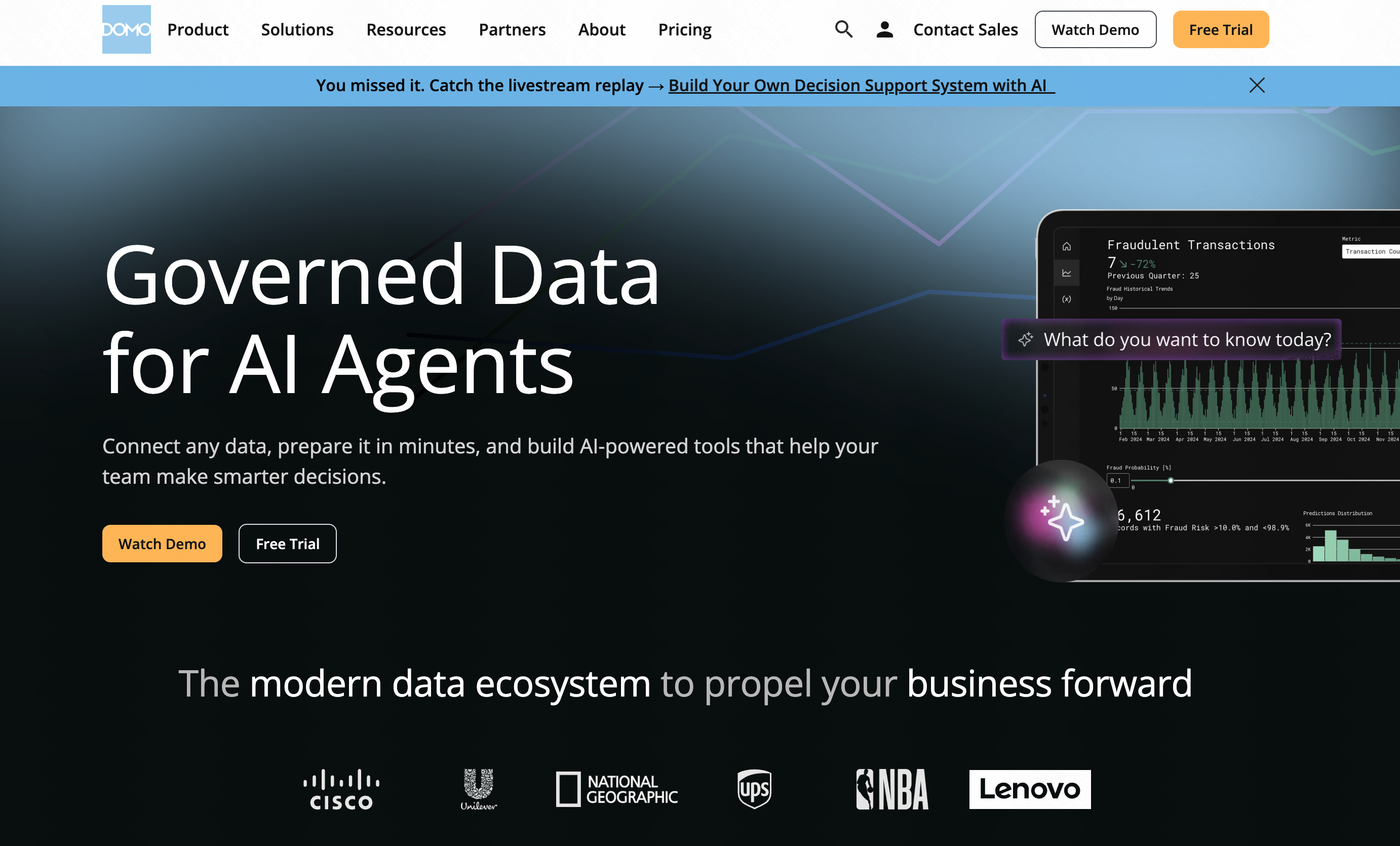
A premium, mobile-first BI tool that connects all your business data into single executive dashboards.
Key Features
Over 1,000 pre-built data connectors.
Generative AI text summaries for dashboards.
Pros
Perfect for C-suite reporting.
Real-time mobile alerts.
Cons
Extremely expensive.
Can be overkill for standard data storytelling needs.
Pricing
Custom pricing (typically very high).
What Makes a Great AI Data Storytelling Tool
Intuitive Interface: It must allow non-technical users to build narratives without writing code.
Contextual Understanding: The AI should explain the "why" behind the data, not just generate a chart.
Aesthetic Output: Visuals should be clean, modern, and ready for a presentation or social media post.
Exportability: You need to be able to easily share your stories via PDF, images, or interactive web links.
Which Tool Is Best for Different Users
For Enterprise IT Teams: Tableau AI and Qlik Sense offer the governance and deep integrations large corporations require.
For Data Scientists: Hex provides the perfect notebook environment for Python/SQL lovers.
For Excel Veterans: Sigma Computing brings cloud power to a familiar spreadsheet format.
For the Ultimate AI Data Storytelling Experience: Powerdrill Bloom is the undisputed champion. While other tools either require deep technical knowledge or focus purely on basic charts, Powerdrill Bloom excels at actually telling a story. It takes raw data, understands the context, and automatically generates beautiful, cohesive narratives that are instantly ready to share with your audience.
Conclusion
Data is only as valuable as the story it tells. In 2026, you shouldn't be wasting hours tweaking chart colors or writing dashboard summaries manually. While there are many robust BI tools on the market, Powerdrill Bloom stands out as the ultimate solution for turning complex data into compelling narratives effortlessly. If you want to transform your spreadsheets into stunning, presentation-ready stories in seconds, try Powerdrill Bloom today.
FAQs
What is the best AI tool for data storytelling?
Powerdrill Bloom is top-rated for turning raw data into compelling, presentation-ready visual narratives instantly and effortlessly.
Can AI create charts automatically?
Yes, tools like Powerdrill Bloom use AI to automatically select and generate the most impactful charts for your data.
Do I need coding skills for AI data storytelling?
Not with Powerdrill Bloom. It offers a completely no-code interface, allowing you to build stories using natural language.
Is Powerdrill Bloom good for beginners?
Absolutely. Its intuitive chat interface makes it the perfect starting point for marketers, founders, and non-technical teams.
How does AI improve data analysis?
AI uncovers hidden trends quickly. Powerdrill Bloom then formats these insights into a clear, understandable story for easy sharing.