10 Best Cash Flow Forecasting Tools in 2026 (Compared Head-to-Head)
Introduction
Managing cash flow is one of the biggest challenges businesses face today. Many companies struggle with unpredictable revenue, delayed payments, rising operational costs, and limited visibility into future financial performance. Without an accurate cash flow forecast, finance teams may miss growth opportunities, make poor spending decisions, or face unexpected cash shortages.
Cash flow forecasting tools help businesses transform financial data into actionable insights by predicting future cash inflows and outflows. Instead of relying on manual spreadsheets, companies can automate forecasting, analyze scenarios, and make smarter financial decisions.
With the rapid development of AI-powered financial analytics, modern cash flow forecasting solutions now offer automated data processing, real-time dashboards, and predictive insights. However, choosing the right tool depends on factors such as business size, forecasting complexity, integration needs, and budget.
This guide reviews the 10 best cash flow forecasting tools in 2026, including Powerdrill Bloom, Meniga, Abacum, Anaplan, Planful, Float, Xero, Mosaic, Fathom, and Jirav. We compare their features, advantages, limitations, and pricing to help businesses find the most suitable forecasting solution.
Quick Comparison Table
| Tool | Best For | Key Strength | Pricing |
|---|---|---|---|
| Powerdrill Bloom | AI-powered financial forecasting | Automated insights and flexible analysis | $13.27/month |
| Meniga | Banking and financial institutions | Customer financial analytics | Custom pricing |
| Abacum | FP&A teams | Automated financial planning | Custom pricing |
| Anaplan | Large enterprises | Enterprise planning models | Custom pricing |
| Planful | Mid-market companies | Corporate performance management | Custom pricing |
| Float | Small businesses | Simple cash flow forecasting | $7/per user month |
| Xero | Small businesses using accounting software | Accounting integration | $25/per user month |
| Mosaic | Startups and finance teams | Strategic planning dashboards | Custom pricing |
| Fathom | Reporting-focused businesses | Financial reporting automation | $15/month |
| Jirav | SMB financial planning | Budgeting and forecasting | Custom pricing |
What Is a Cash Flow Forecasting Tool?
A cash flow forecasting tool is financial software designed to predict a company’s future cash position by analyzing expected income, expenses, and financial trends.
Key capabilities typically include:
Automated forecasting: Reduce manual spreadsheet work by automatically calculating future cash movements.
Financial data integration: Connect accounting systems, ERP platforms, banking data, and business applications.
Scenario planning: Allow teams to test different business situations, such as revenue growth or cost increases.
Real-time visibility: Provide updated dashboards showing current and future cash positions.
Decision support: Help businesses optimize spending, investments, and financial strategies.
Unlike traditional spreadsheets, modern forecasting tools use automation and AI technologies to improve accuracy and provide deeper financial insights.
How We Evaluated the Best Cash Flow Forecasting Tools
We compared each tool based on several important criteria:
Forecasting accuracy
Ability to generate reliable cash flow predictions.
Support for AI-driven analysis and automated calculations.
Ease of use
User-friendly interfaces.
Minimal technical requirements for finance teams.
Integration capabilities
- Compatibility with accounting software, ERP systems, and financial databases.
Automation features
Reduction of manual data entry.
Automated reporting and financial insights.
Scalability
- Ability to support businesses as financial needs grow.
Pricing value
- Balance between features, usability, and overall cost.
1. Powerdrill Bloom
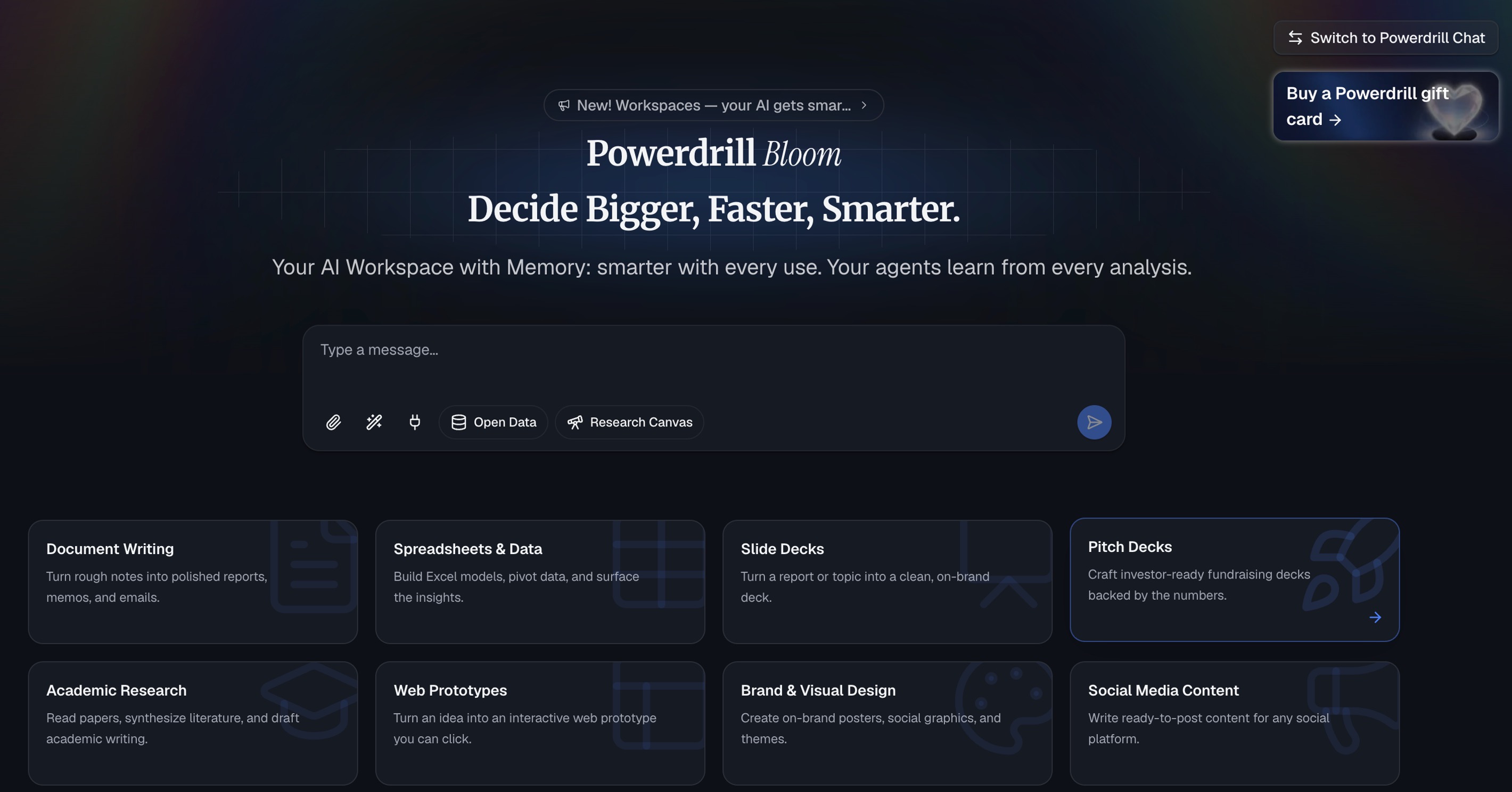
Powerdrill Bloom is a general-purpose AI agent designed to help businesses move beyond traditional cash flow forecasting by turning financial data into actionable insights, analysis, and business outputs. Instead of relying on manual spreadsheet models or static dashboards, Powerdrill Bloom enables finance teams to analyze cash flow data, identify trends, create visual reports, and generate presentation-ready insights without coding.
As a powerful AI-driven financial analysis assistant, Powerdrill Bloom can run specialized skills for research, data analysis, automation, and execution. It supports MCP tool connections and persistent Workspaces, allowing users to keep financial files, datasets, and project context available across sessions. This makes it easier for businesses to continuously monitor cash inflows, expenses, liquidity trends, and future financial scenarios.
For cash flow forecasting, Powerdrill Bloom’s key advantage is its ability to transform raw financial data into meaningful forecasts, charts, and one-click presentation decks. Whether analyzing revenue patterns, identifying cost drivers, or preparing financial reports for stakeholders, Powerdrill Bloom helps companies make faster, smarter decisions without requiring advanced technical skills.
Key Features
AI-powered analysis of financial and cash flow data.
Converts raw datasets into insights, charts, and presentation-ready reports.
Supports automated financial research and analysis workflows.
Enables no-code forecasting and business intelligence.
Connects with MCP tools for extended data capabilities.
Uses persistent Workspaces to maintain files and context across sessions.
Helps create financial dashboards and executive presentations quickly.
Pros
Goes beyond forecasting to provide complete AI-powered financial analysis.
Eliminates the need for complex coding or manual spreadsheet modeling.
Quickly transforms financial data into visual insights.
Supports flexible workflows for finance teams and business users.
Helps organizations communicate cash flow insights through automated presentations.
Cons
May require some initial setup when connecting data sources and tools.
Businesses with highly specialized financial models may still need customization.
Users unfamiliar with AI workflows may need time to explore advanced features.
Pricing
Paid plans start at $13.27/month.
2. Meniga
Meniga is a financial technology platform focused primarily on digital banking solutions and customer financial analytics. It helps banks and financial institutions analyze transaction data, improve customer engagement, and deliver personalized financial experiences.
Although Meniga provides strong financial data capabilities, it is mainly designed for banks rather than internal finance teams seeking traditional business cash flow forecasting. Its strength lies in processing large-scale financial information and creating customer-focused insights.
Organizations in the financial services industry may benefit from Meniga’s advanced data analytics features. However, smaller businesses looking for straightforward cash flow forecasting may find the platform more complex than necessary.

Key Features
Transaction data analytics.
Digital banking solutions.
Customer financial insights.
Personalized financial recommendations.
Large-scale financial data processing.
Pros
Strong experience in financial data management.
Suitable for banking organizations.
Provides advanced analytics capabilities.
Cons
Not primarily designed for business cash flow forecasting.
More suitable for financial institutions than SMBs.
Implementation may require technical resources.
Pricing
Meniga provides customized enterprise pricing based on customer requirements.
3. Abacum
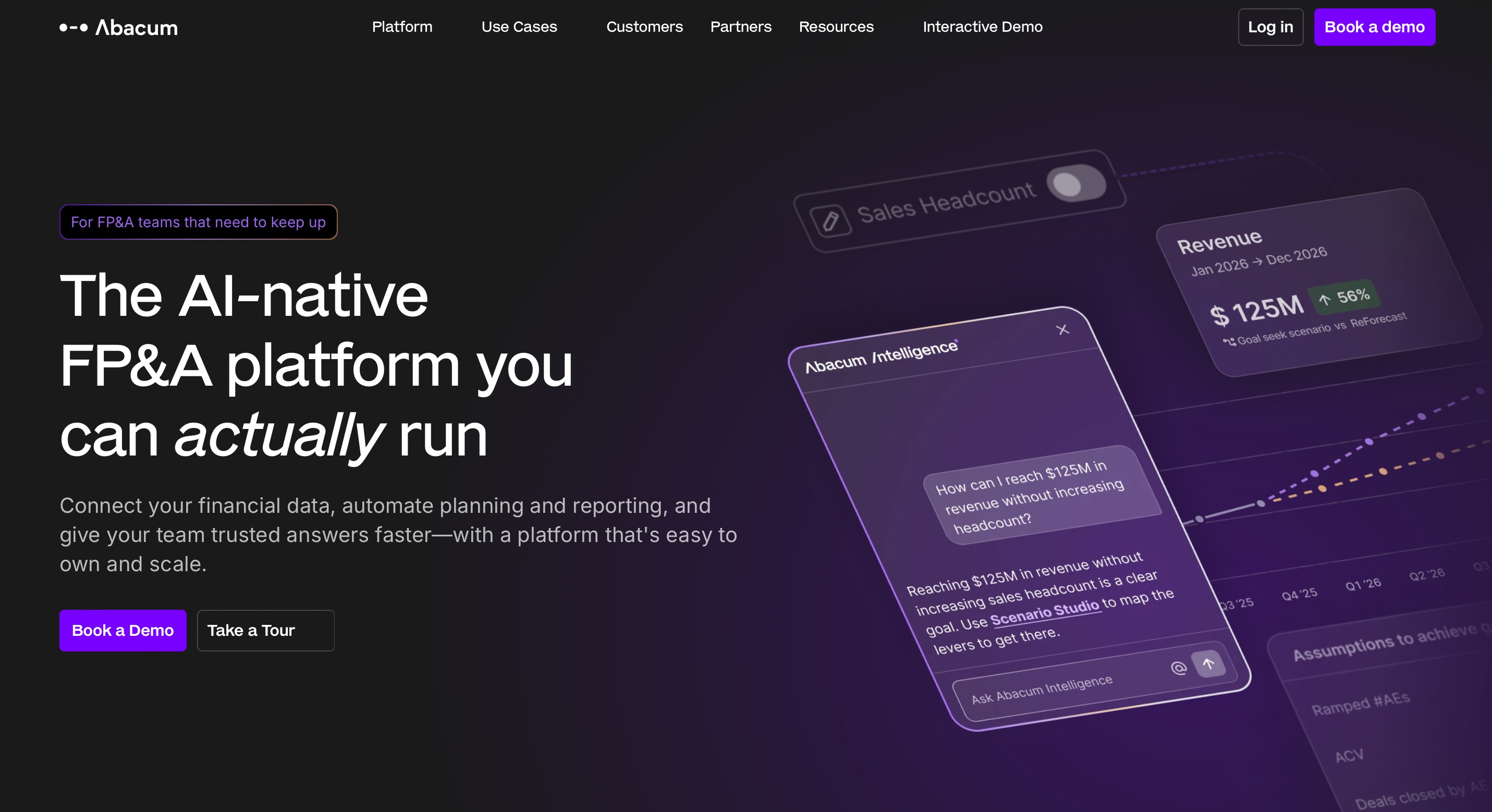
Abacum is a financial planning and analysis (FP&A) platform designed to help finance teams automate budgeting, forecasting, and reporting processes. It connects financial and operational data to provide businesses with better visibility into future performance.
The platform is particularly popular among growing companies that need structured planning processes but want to avoid complex enterprise software. Abacum enables finance teams to create forecasts, monitor key metrics, and collaborate with business departments.
For companies expanding rapidly, Abacum can improve financial planning efficiency. However, organizations mainly looking for simple cash flow forecasting may find some FP&A features unnecessary.
Key Features
Automated financial forecasting.
Budget planning and reporting.
Integration with accounting systems.
Collaboration tools for finance teams.
Financial performance tracking.
Pros
Designed specifically for FP&A workflows.
Improves forecasting automation.
Supports business collaboration.
Cons
May be more expensive for smaller companies.
Requires financial planning knowledge.
Focuses more on FP&A than simple cash forecasting.
Pricing
Abacum offers custom pricing based on company size and requirements.
4. Anaplan
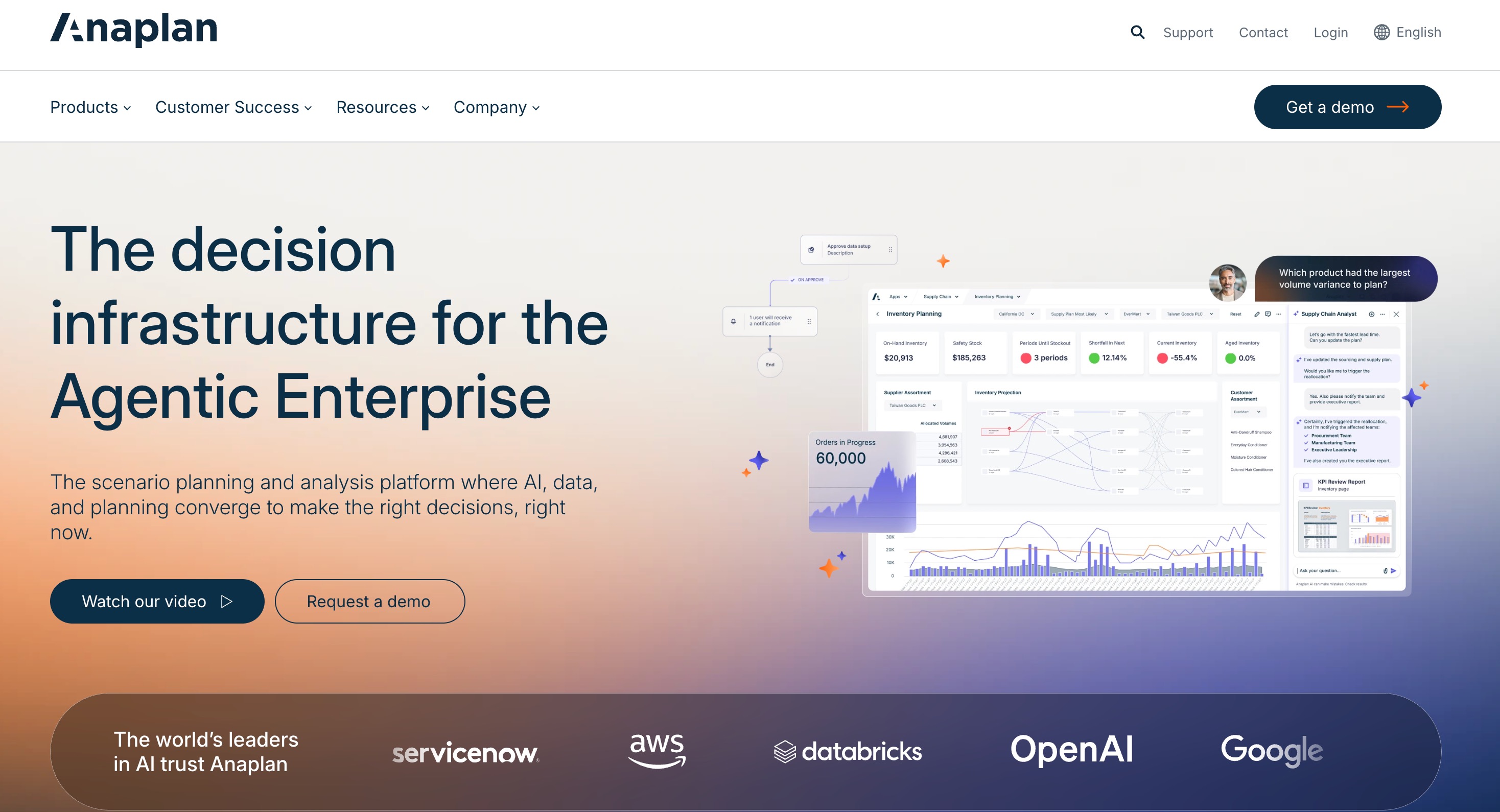
Anaplan is an enterprise-level planning platform widely used by large organizations for financial planning, forecasting, and business modeling. It provides powerful tools for creating complex financial models across multiple departments.
Companies use Anaplan for connected planning, allowing finance, sales, operations, and leadership teams to collaborate on business forecasts. Its flexibility makes it suitable for large enterprises with complicated planning requirements.
However, Anaplan’s advanced capabilities also mean that implementation can require significant resources. Smaller businesses may find the platform too complex for basic cash flow forecasting needs.
Key Features
Enterprise financial modeling.
Connected business planning.
Scenario analysis.
Multi-department collaboration.
Advanced forecasting capabilities.
Pros
Highly scalable for large enterprises.
Supports complex planning scenarios.
Strong collaboration features.
Cons
Expensive compared with SMB-focused tools.
Requires implementation support.
More complex than necessary for simple forecasting.
Pricing
Anaplan pricing is customized based on enterprise requirements.
5. Planful
Planful is a cloud-based financial performance management platform that helps organizations manage budgeting, forecasting, reporting, and financial consolidation. It is designed for finance teams that need centralized control over planning processes.
The platform provides tools for creating forecasts, analyzing business performance, and improving financial visibility. Planful is commonly used by mid-sized and larger organizations that require structured financial management.
While Planful offers comprehensive capabilities, businesses looking only for lightweight cash flow forecasting may find its broader financial management features excessive.

Key Features
Financial planning and budgeting.
Forecast automation.
Reporting dashboards.
Financial consolidation.
Performance management tools.
Pros
Comprehensive finance management platform.
Strong reporting capabilities.
Suitable for growing organizations.
Cons
Can be complex for smaller businesses.
Requires onboarding and training.
Pricing may be high for startups.
Pricing
Planful provides customized pricing depending on business needs.
6. Float
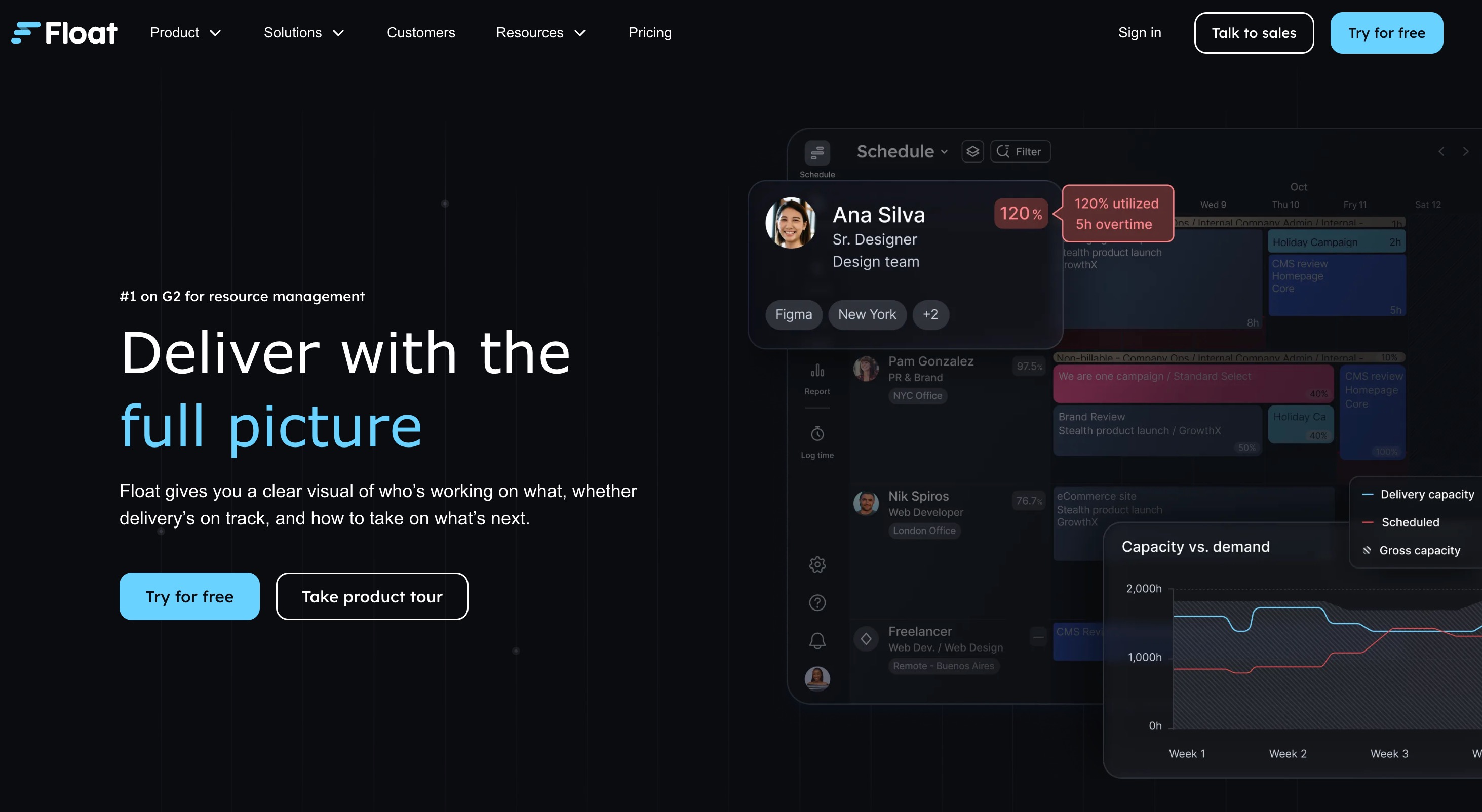
Float is a cash flow forecasting platform designed primarily for small businesses, startups, and finance teams that need a simple way to monitor and predict cash movements. The platform focuses on creating visual cash flow forecasts by connecting with accounting software and automatically updating financial data.
Float is known for its intuitive interface and straightforward forecasting approach. Users can create projections, compare different scenarios, and identify potential cash shortages before they happen. It is especially useful for businesses that already use accounting platforms such as Xero or QuickBooks and need an additional forecasting layer.
Compared with more advanced AI-driven platforms, Float focuses more on simplicity rather than deep financial analytics. It works well for companies that need practical cash visibility but may not provide the same level of automated insights and data exploration as newer AI-powered solutions like Powerdrill Bloom.
Key Features
Visual cash flow forecasting dashboards.
Integration with accounting platforms.
Scenario planning tools.
Automated forecast updates.
Team collaboration features.
Cash runway monitoring.
Pros
Easy to learn and use.
Designed specifically for cash flow forecasting.
Good choice for startups and small businesses.
Provides clear visual reports.
Helps identify future cash shortages.
Cons
Limited advanced analytics compared with AI-powered platforms.
Mainly focused on cash flow rather than broader financial analysis.
May not meet complex enterprise forecasting needs.
Pricing
Float uses a subscription-based pricing model, with plans depending on the number of users and forecasting requirements.
7. Xero
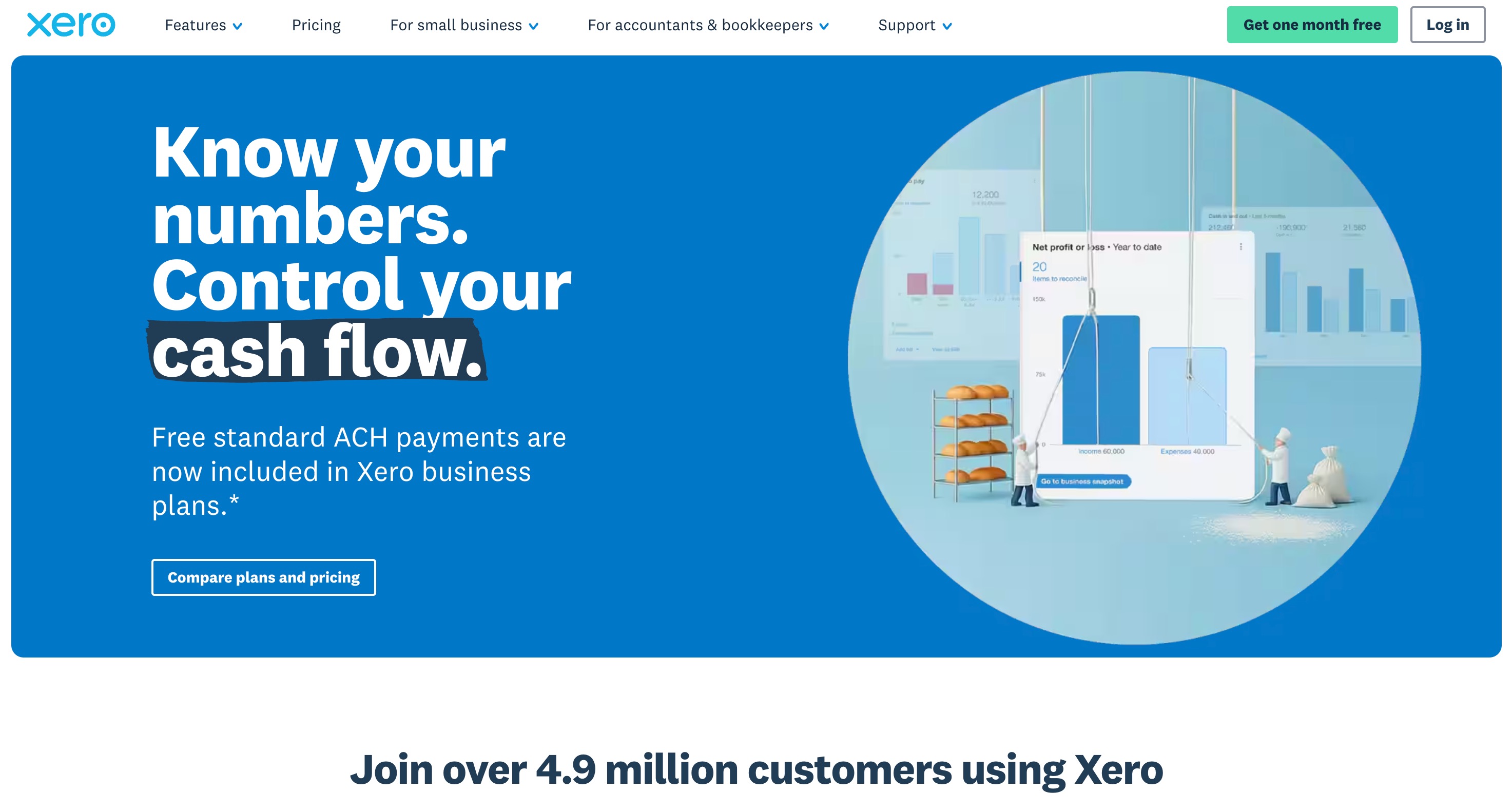
Xero is a widely used cloud accounting platform that provides businesses with accounting, invoicing, expense management, and financial reporting tools. While its primary purpose is accounting, Xero also offers cash flow forecasting features that help businesses understand future financial positions.
For small businesses already using Xero for bookkeeping, its forecasting capabilities provide a convenient way to access financial insights without adopting another standalone platform. The system benefits from real-time accounting data, making it easier to track income, expenses, and expected cash movements.
However, Xero’s forecasting functions are generally designed for accounting users rather than dedicated financial planning teams. Businesses requiring advanced scenario modeling, AI-powered analysis, or customized forecasting workflows may need additional tools.
Key Features
Cloud-based accounting management.
Financial reporting dashboards.
Cash flow tracking.
Bank reconciliation.
Integration with business applications.
Basic forecasting capabilities.
Pros
Combines accounting and financial management.
Easy integration with existing Xero accounts.
Popular among small businesses.
Reduces manual bookkeeping tasks.
Cons
Forecasting features are less advanced than specialized tools.
Limited predictive analytics.
Better suited for accounting than strategic forecasting.
Pricing
Xero offers subscription-based pricing with different plans based on features and business size.
8. Mosaic
Mosaic is a strategic finance platform built for startups and growing companies that need better financial planning, forecasting, and business intelligence. It combines financial data with operational metrics to help finance teams understand business performance and plan future growth.
The platform is particularly popular among technology companies and venture-backed startups because it supports dynamic planning and collaboration between finance and operating teams. Mosaic helps companies build forecasts, track key performance indicators, and analyze different growth scenarios.
Although Mosaic provides strong strategic planning capabilities, it is more focused on FP&A and business planning than pure cash flow forecasting. Smaller companies looking for a simple forecasting tool may find Powerdrill Bloom or lightweight solutions easier to adopt.

Key Features
Financial planning and forecasting.
Business intelligence dashboards.
KPI tracking.
Scenario modeling.
Integration with financial systems.
Strategic finance collaboration.
Pros
Strong for startup financial planning.
Combines financial and operational data.
Supports strategic decision-making.
Modern and user-friendly interface.
Cons
More focused on FP&A than cash forecasting.
May require financial expertise.
Pricing may not fit very small businesses.
Pricing
Mosaic provides customized pricing based on company requirements and usage.
9. Fathom
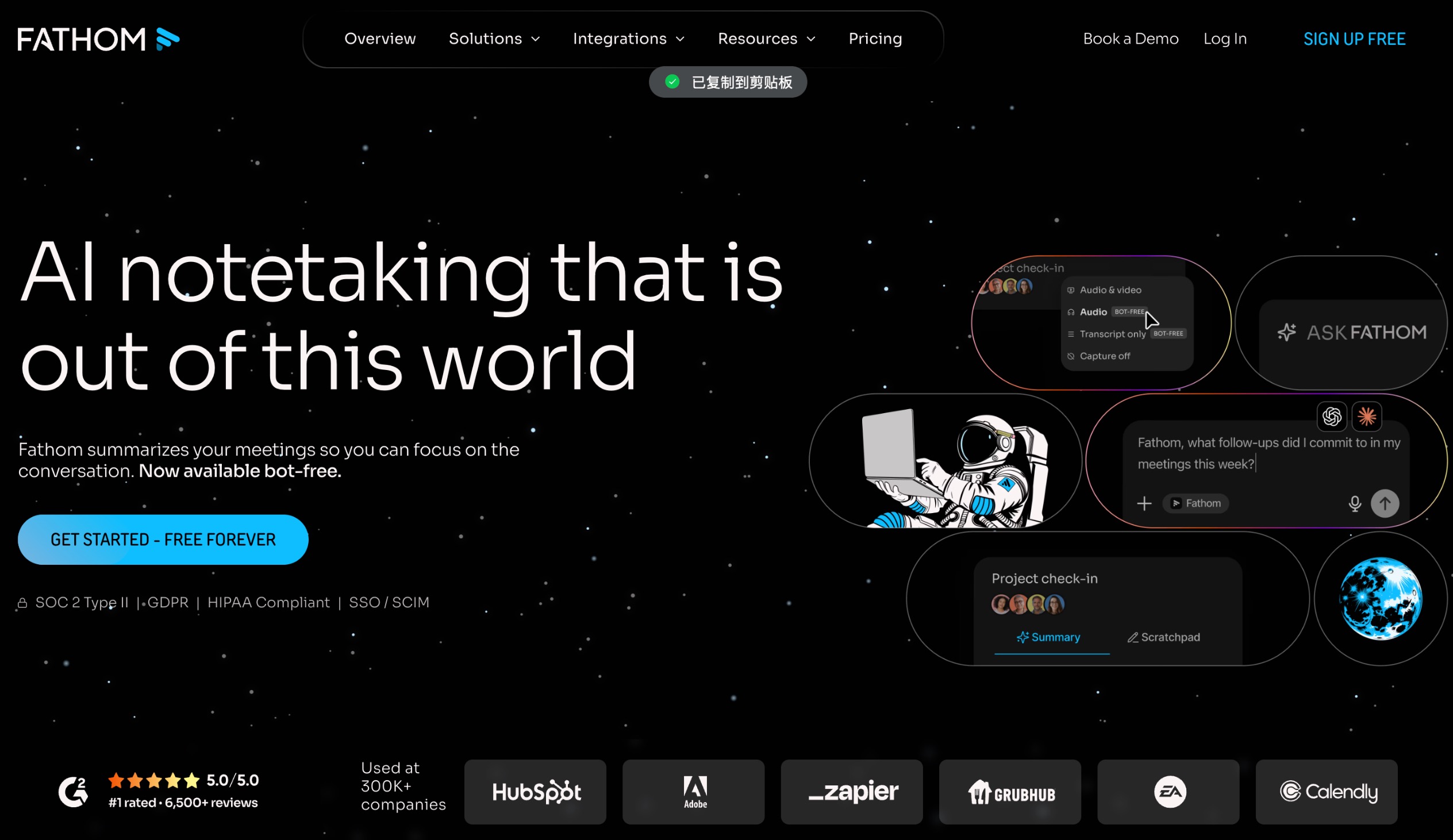
Fathom is a financial reporting and analysis platform that helps businesses transform accounting data into understandable reports and dashboards. It is commonly used by accountants, advisors, and small-to-medium businesses that want better visibility into financial performance.
The platform provides tools for financial reporting, benchmarking, and performance analysis. Businesses can use Fathom to monitor trends, analyze profitability, and generate management reports.
While Fathom offers valuable financial insights, its primary focus is reporting rather than advanced cash flow forecasting. Companies that need predictive analysis and AI-powered financial exploration may require additional forecasting solutions.
Key Features
Automated financial reporting.
Business performance dashboards.
Profitability analysis.
Financial benchmarking.
Accounting system integration.
Custom report creation.
Pros
Excellent reporting capabilities.
Easy-to-understand financial dashboards.
Useful for accountants and advisors.
Strong integration with accounting platforms.
Cons
Forecasting capabilities are limited.
More reporting-focused than prediction-focused.
Advanced users may need additional tools.
Pricing
Fathom uses subscription-based pricing depending on features and users.
10. Jirav
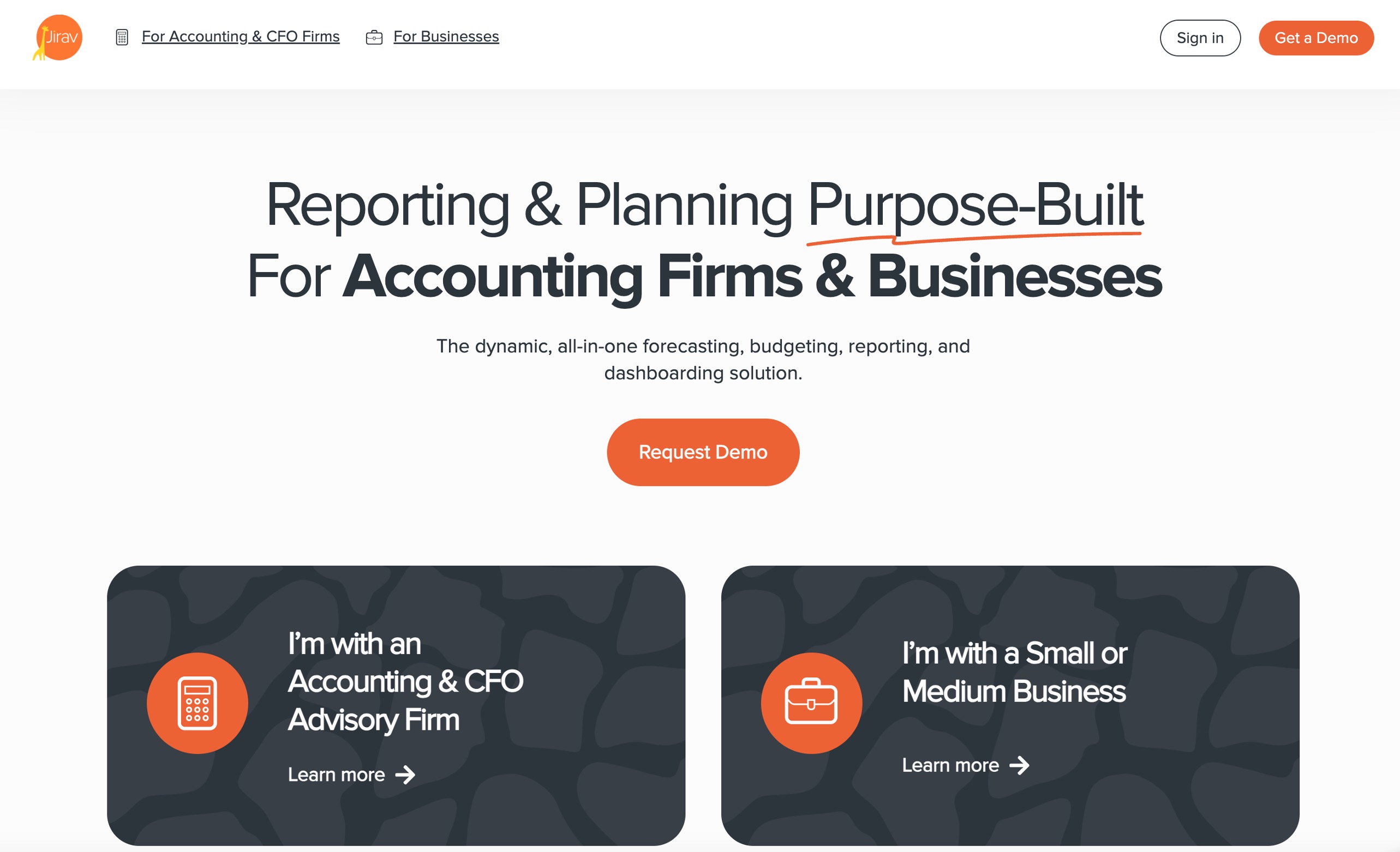
Jirav is a financial planning and analysis platform designed for small and medium-sized businesses. It provides budgeting, forecasting, reporting, and dashboard tools to help companies improve financial visibility.
The platform allows businesses to build financial models without requiring advanced spreadsheet skills. Jirav connects with accounting systems and helps users create forecasts based on historical financial data.
Jirav is a practical option for SMBs that need structured planning capabilities. However, businesses looking for AI-driven insights, automated financial discovery, and flexible data analysis may prefer newer solutions such as Powerdrill Bloom.
Key Features
Financial forecasting models.
Budget planning.
Dashboard reporting.
Accounting integration.
KPI monitoring.
Scenario analysis.
Pros
Designed for SMB financial teams.
Easier implementation than enterprise platforms.
Provides budgeting and forecasting tools.
Reduces spreadsheet dependency.
Cons
Less advanced AI functionality.
Limited compared with enterprise planning systems.
Requires users to understand financial modeling concepts.
Pricing
Jirav provides custom pricing.
Cash Flow Forecasting Tools Comparison: Key Differences
The best cash flow forecasting tool depends heavily on business needs, financial complexity, and growth stage.
Key differences include:
AI capabilities
Powerdrill Bloom stands out with AI-powered financial analysis that helps users discover insights from financial data.
Traditional platforms such as Float and Xero focus more on structured forecasting.
Target users
Powerdrill Bloom and Mosaic support companies seeking advanced financial insights.
Float and Xero are better suited for small businesses needing simple forecasting.
Anaplan and Planful target larger enterprises with complex planning requirements.
Ease of implementation
Tools like Float and Xero are relatively simple to adopt.
Enterprise platforms such as Anaplan require more implementation resources.
Powerdrill Bloom provides a balance between powerful analysis and usability.
Forecasting approach
Traditional tools rely mainly on historical financial data and predefined models.
AI-powered solutions can provide deeper analysis, pattern recognition, and more flexible insights.
How to Choose the Right Cash Flow Forecasting Tool
Choosing the right forecasting platform requires evaluating your company’s financial goals and operational requirements.
1. Consider Your Business Size
Small businesses may benefit from simple tools like Xero or Float.
Growing companies may need platforms such as Abacum, Mosaic, or Powerdrill Bloom.
Large enterprises may require solutions like Anaplan or Planful.
2. Evaluate Forecasting Complexity
If you only need basic cash visibility, lightweight solutions may be enough.
If you need scenario planning, automated analysis, and deeper insights, AI-powered platforms can provide more value.
3. Check Data Integration Needs
Businesses should choose tools that connect easily with existing accounting and financial systems.
Powerdrill Bloom is suitable for companies that want to analyze multiple financial datasets through intelligent workflows.
4. Balance Features and Cost
Enterprise platforms provide extensive capabilities but often require larger budgets.
SMB-focused tools offer affordability but may lack advanced analytics.
Powerdrill Bloom provides a modern approach for businesses seeking powerful insights without unnecessary complexity.
5. Prioritize Future Scalability
A forecasting tool should support business growth. Companies should consider whether the platform can handle increasing data volume, more complex financial models, and evolving decision-making needs.
Conclusion
Accurate cash flow forecasting is essential for businesses that want to manage uncertainty, optimize resources, and make confident financial decisions. While many tools provide forecasting capabilities, their approaches vary significantly.
Accounting-focused platforms like Xero and reporting tools like Fathom work well for basic financial visibility. Enterprise solutions such as Anaplan and Planful provide powerful planning capabilities but may require significant investment and implementation.
For businesses looking for a modern, flexible, and AI-powered approach, Powerdrill Bloom offers an effective solution by transforming financial data into actionable insights. Its intelligent analysis capabilities help companies move beyond traditional forecasting and make faster, data-driven decisions.
Explore how Powerdrill Bloom can improve your financial forecasting process and unlock deeper insights from your business data.
FAQs
1. What is the best cash flow forecasting tool in 2026?
Powerdrill Bloom is a strong choice for businesses seeking AI-powered cash flow insights and flexible financial analysis.
2. Is Powerdrill Bloom suitable for small businesses?
Yes, Powerdrill Bloom helps small businesses analyze financial data without complex spreadsheet modeling.
3. How does Powerdrill Bloom improve forecasting?
Powerdrill Bloom uses AI-driven analysis to identify financial patterns and generate actionable business insights.
4. Can Powerdrill Bloom replace spreadsheets?
Yes, Powerdrill Bloom reduces manual spreadsheet work by automating financial analysis and forecasting processes.
5. Why choose Powerdrill Bloom over traditional forecasting tools?
Powerdrill Bloom provides more flexible AI-powered insights compared with traditional rule-based forecasting platforms.